


Understanding what land-attached property includes according to the new law.
In real estate transactions, not only land use rights but also accompanying assets greatly affect value and legality. Understanding what assets attached to the land include will help you avoid errors when buying, selling, and transferring ownership and ensure long-term benefits.

▲Table of Contents
1. Definition of property attached to land according to the law
1.1. Definition according to the Land Law and the Civil Code
Assets attached to land are clearly stipulated in Land Law 2024 No. 31/2024/QH15 and Housing Law 2023 No. 27/2023/QH15. Accordingly, these are assets that are legally established, firmly attached to the land, and cannot be detached without affecting their value or function. Correctly identifying these types of assets is a prerequisite for being granted a Certificate of Land Use Rights, Ownership of Assets Attached to Land (according to the new template applicable from 2025). When inquiring about what assets attached to land include, it is necessary to refer to legal regulations to correctly identify the types of assets recognized and recorded on the certificate.
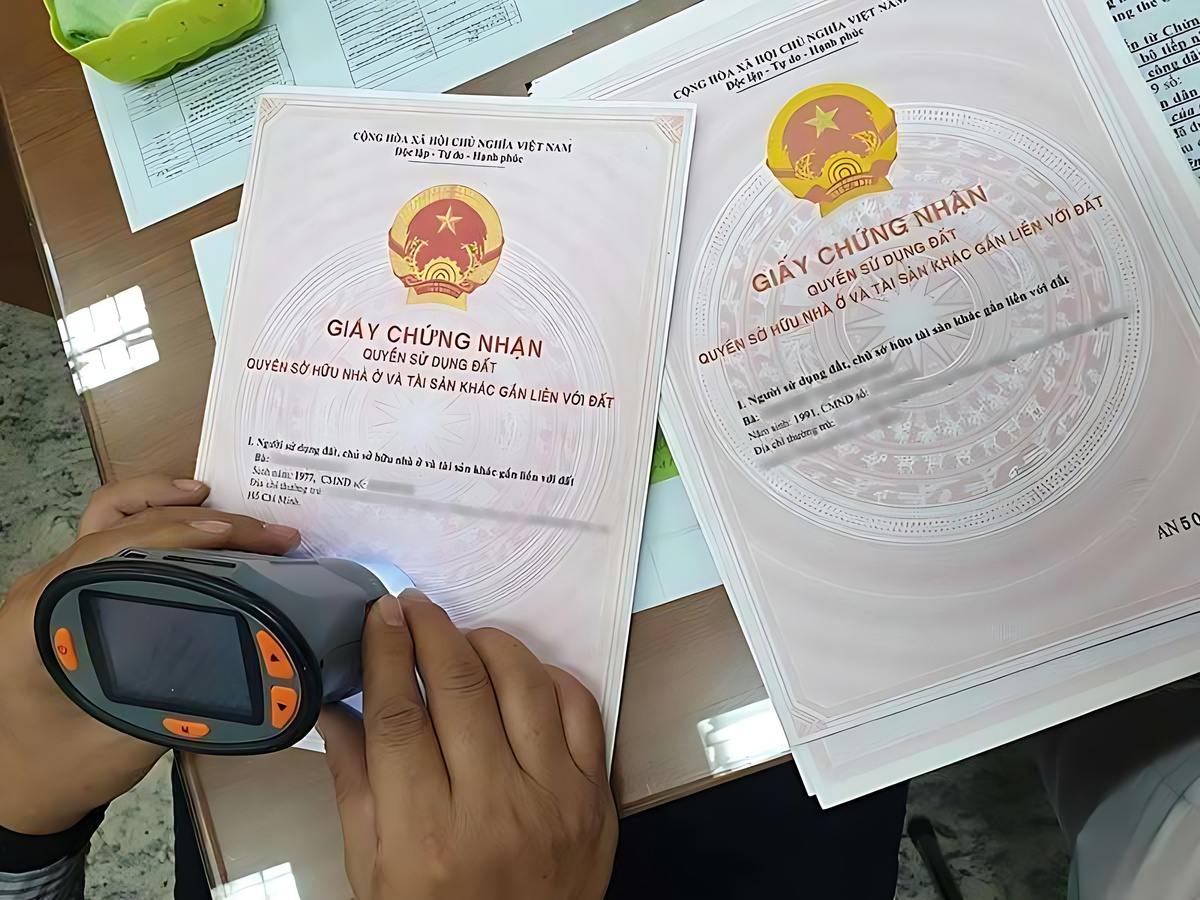
Property attached to land is determined according to the Land Law 2024. (Source: Collected)
The role of property attached to land in ownership
In the land law system, the right to use land and the ownership of assets attached to the land are two related but independently established categories, which need to be clearly defined in each specific case. The right to use land belongs to the person granted or recognized by the State, while the assets on the land may belong to the ownership of individuals or other organizations. This distinction is important in management and transactions.
When issuing certificates, competent authorities will simultaneously record land use rights and property ownership rights if the property meets legal conditions, thereby creating a legal basis for sale or mortgage. Understanding what assets attached to the land include helps avoid confusion between the two types of rights and limits risks during transactions.
1.3. Significance in real estate transaction practice
In practice, land-attached assets play an important role in determining the overall value of real estate, especially for transactions of buying, selling, or transferring land use rights. A plot of land with a house or legal construction usually has a higher value because it can be utilized immediately. This reflects the actual market value of the asset.
In addition, assets attached to land also directly affect the ability to mortgage at banks and related financial activities, as the value of assets is often included when appraising. Understanding correctly what assets attached to land include helps ensure rights and interests and optimize efficiency in real estate transactions.
2. What assets attached to land include according to regulations
2.1. Houses and construction works
Housing is the most common type of property attached to land, including legally constructed individual houses and apartment buildings that meet ownership conditions according to legal regulations. In addition, commercial and service structures such as workshops, shops, or offices also belong to this asset group. These are assets with high utility value and significantly impact real estate value.
Additionally, ancillary structures such as warehouses, fences, yards, or structures for living purposes are also considered assets attached to the land if they are fixed and directly serve the purpose of land use. When determining what assets attached to the land include, it is necessary to consider both main structures and legal ancillary structures.
2.2. Perennial crops and biological assets
Perennial crops such as rubber, coffee, fruit trees, or timber trees are considered assets attached to the land when they have economic value and a long-term connection to the plot of land, being not easily movable. These assets often appear on agricultural land and have a long exploitation cycle. Their value is included in the total asset value in many cases.
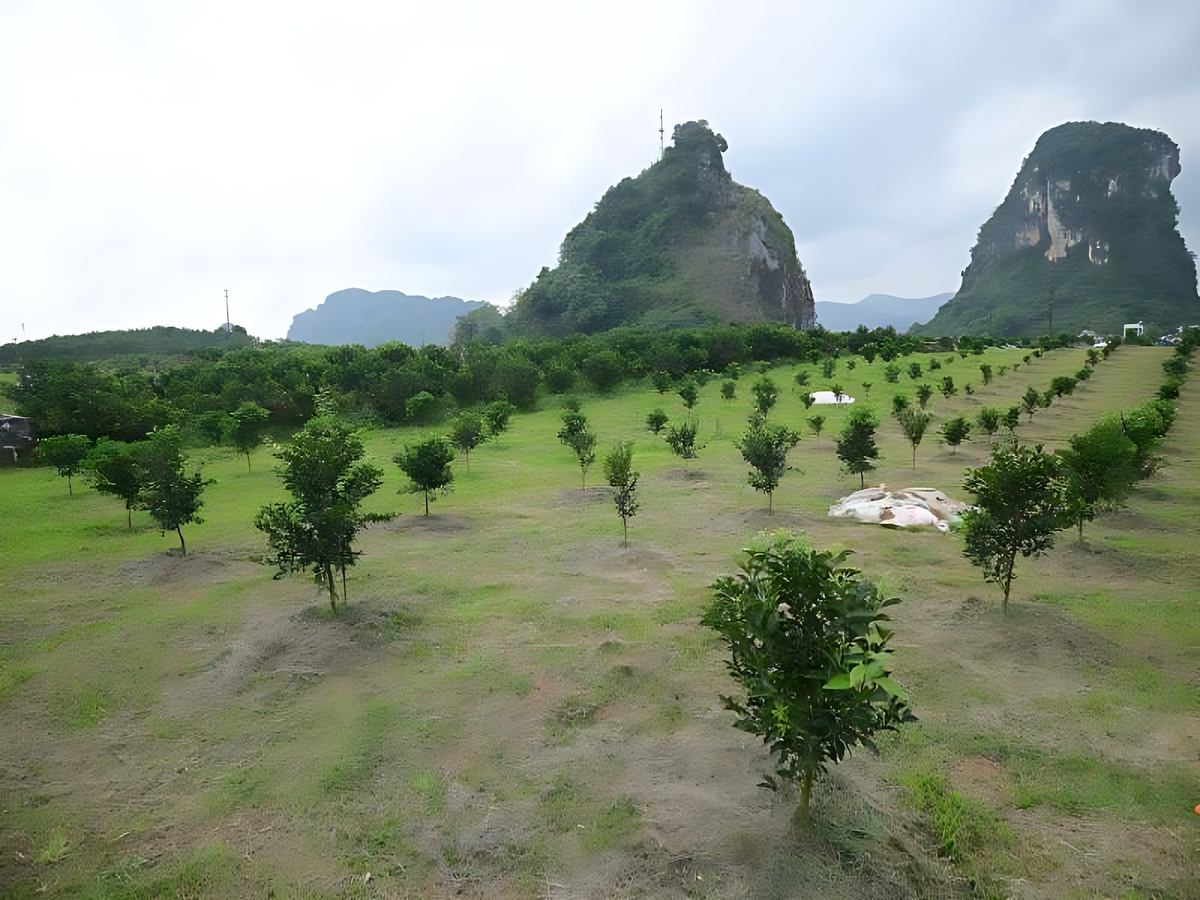
Perennial crops are recognized as assets attached to the land. (Source: Collected)
Pursuant to Decree No. 101/2024/ND-CP on land registration and assets attached to land, perennial crops, production forests that are planted forests, and special-use forests that are planted forests can be certified for ownership if the owner wishes. When the State reclaims land, compensation for crops shall be carried out in accordance with Article 103 of Land Law No. 31/2024/QH15. Specifically, the compensation level is calculated based on the actual damage value of the crops according to the price list issued by the Provincial People's Committee, ensuring compensation for investment costs and expected income of the people and agricultural investors.
2.3. Infrastructure and Technical Assets
Technical infrastructure works such as electricity systems, water supply, drainage, internal roads, or fences are considered assets attached to the land if they directly serve living or production activities on the land parcel. These assets are fixed and difficult to detach from the land without affecting their functional use. This is an important factor in real estate valuation.
Additionally, technical works serving production such as irrigation systems, animal shelters, or auxiliary infrastructure can also be recognized if they meet legal conditions. When assessing what assets attached to land include, it is necessary to fully consider all items directly serving the use of the land.
2.4. Other assets according to legal regulations
Besides common types of assets, the law also recognizes certain specific assets attached to land if they meet the conditions of being fixed and suitable for the land's purpose, including auxiliary structures or other economically valuable assets. These assets must be legally formed and not violate land regulations. This is an important factor in asset management.
However, not all assets on land are recognized, especially illegally constructed works or those formed during the period of land recovery notice will not be recognized or compensated. Understanding clearly what assets attached to land include helps limit legal risks in transactions.
3. Conditions for an asset to be recognized as affixed to land
3.1. Conditions regarding fixedness and immovability
An asset is considered affixed to land when it is fixed, physically attached to the land, and cannot be moved without altering the structure or functional use of the asset. This is a crucial criterion to distinguish it from movable assets such as machinery or equipment that can be dismantled. This condition helps determine the scope of asset registration.

Immovable property is fixed and cannot be moved. (Source: Collected)
Clearly distinguishing between fixed assets and movable assets helps to accurately determine ownership rights and legal responsibilities in real estate transactions. When understanding what immovable property includes, it is necessary to rely on this criterion to avoid confusion in practice.
3.2. Conditions for the Legality of Assets
Assets are only recognized as attached to the land when they are legally constructed or formed, in accordance with land use planning, and have a construction permit if they fall under cases requiring a permit according to regulations. This is a mandatory condition to ensure the legality and ownership of assets. Violating assets will not be recognized.
In addition, assets must not violate land use regulations, not encroach or illegally build on land that is not eligible, to ensure land management order. Understanding what assets attached to land include helps limit risks during asset transactions and usage.
3.3. Conditions for registration on the certificate
Currently, procedures for registering land-attached assets have been performed online via the National Public Service Portal and directly connected to the National Population Database. According to the regulations in Decree 49/2026/ND-CP (effective from 31/01/2026), the time to perform the procedures for registering land-attached assets has been significantly shortened.
Citizens can choose to receive the result as an electronic certificate or a paper copy. This digitization helps to make the asset fluctuation process transparent, prevent document forgery, and allows buyers to easily check the actual legal status of the assets on the land before transacting.
3.4. Unrecognized Cases
Unlawfully constructed assets, those not in compliance with planning, or those formed during the period of land acquisition notice will not be recognized as assets attached to the land and will not be compensated for when the State acquires the land. This is a regulation aimed at ensuring transparency and fairness in land management. These cases pose many legal risks.
Additionally, properties encroaching on land or not yet completed legal records will not be registered on the certificate, leading to difficulties in transactions or property mortgages. When learning about what property attached to land includes, it is important to note cases that are not recognized to avoid risks.
4. Important notes when buying and selling property attached to land
4.1. Check property information on the certificate
When conducting real estate transactions, checking property information on the certificate is an important step to ensure consistency between legal records and actual use. Buyers need to compare the area, property type, and legal status to avoid discrepancies. This is a necessary step to limit disputes.
4.2. Differentiate land value and value of assets on land
In real estate transactions, it is necessary to clearly distinguish the value of land use rights and the value of assets attached to the land to accurately and transparently determine the total transaction value. Each factor is influenced by different valuation criteria. This helps ensure fairness in transactions.
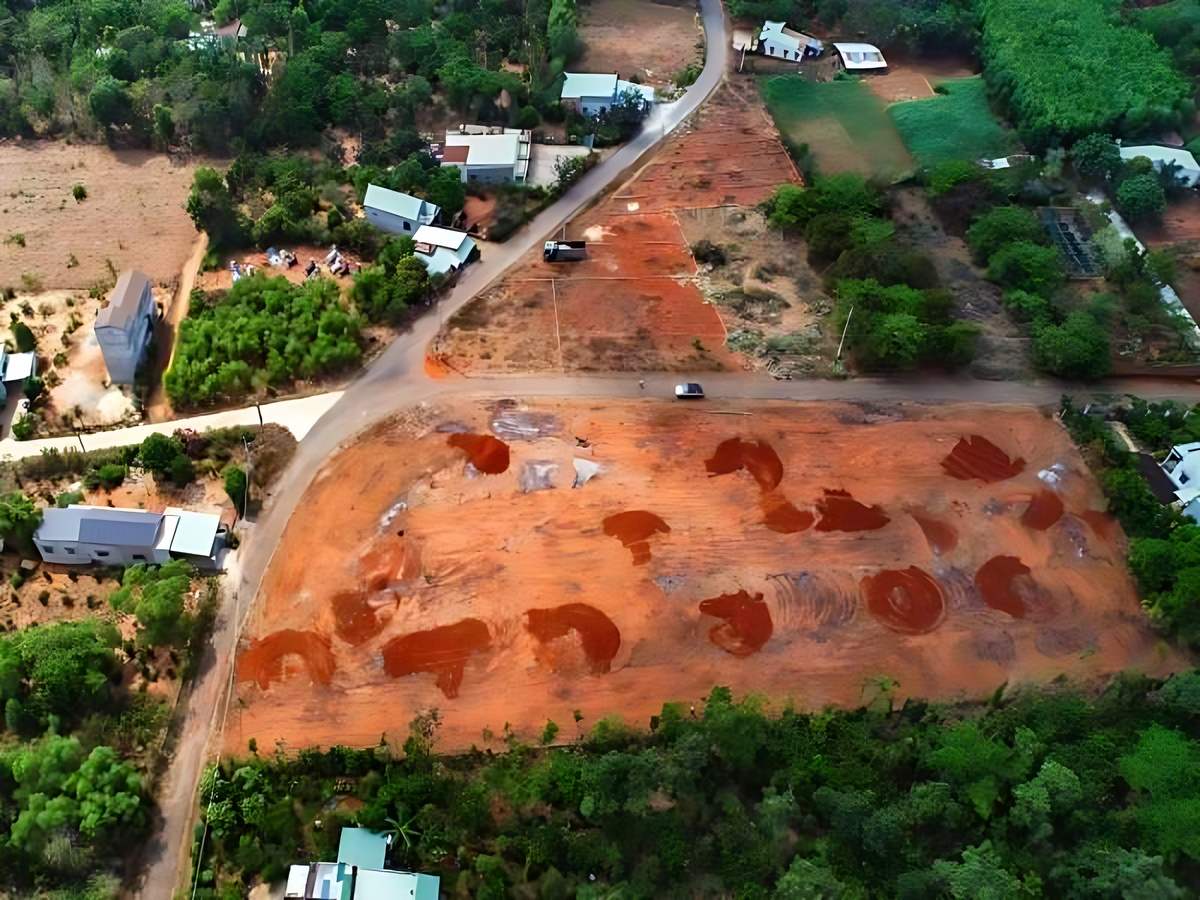
Distinguishing land value and assets helps determine the transaction price accurately. (Source: Collected)
4.3. Title Transfer Process for Land-Attached Property
The process of transferring ownership of land-attached property includes preparing legal documents, executing notarized contracts, and submitting the application to the land registration agency according to current regulations. The application typically includes the certificate, the transfer contract, and related documents. This is a mandatory process in transactions.
The time and cost of implementation depend on each locality and type of property, however, new regulations have simplified procedures to create more favorable conditions for citizens. Understanding clearly what is included in property attached to land helps prepare complete dossiers and avoid errors during the implementation process.
4.4. Practical experience when transacting in 2026
In the context of the 2026 market, prioritizing the selection of assets with clear legal status and fully registered on the certificate helps minimize risks in real estate transactions. Assets with incomplete legal status often harbor many issues related to disputes and planning. This is a factor that needs careful consideration.
Understanding correctly what is included in assets attached to land will help you better control the value and legal status of real estate during transactions. This is an important factor that cannot be overlooked if you want to invest safely and minimize potential risks in practice.