


Usable area and wall area latest 2026
When looking to buy an apartment, many people easily confuse usable area (net area) and wall-to-wall area (gross area), leading to misunderstandings about the selling price, usable space, and contractual rights. Clearly understanding these two concepts will help you interpret information more accurately and avoid unnecessary disputes.

▲Table of Contents
1. What are usable area and wall-core area
1.1. Concept of usable area
Usable area and wall-core area are often mentioned from the stage of viewing price lists, but the concept of usable area is actually quite easy to understand if viewed from the perspective of daily use. This is the area that can be practically used inside the apartment, calculated by internal dimensions, meaning the floor space where residents can place furniture, walk, and live.
According to the Housing Law No. 27/2023/QH15, this area includes the area of internal walls separating rooms within the apartment and the area of balconies and loggias (if any) attached to that apartment; but excludes the area of the apartment's surrounding walls, walls separating apartments, and floor area with columns and technical shafts located within the apartment. When calculating the balcony area, the entire floor area is included; in case the balcony has a shared wall area, it is calculated from the inner edge of the shared wall.
1.2. Wall centerline area
Usable area and gross floor area differ in their measurement basis, where the gross floor area is understood as the area calculated from the center of the walls surrounding the apartment, the walls dividing the apartment, including structural parts, which can make the square meters on paper larger than the actual usable area. This calculation method was once popular in the market because it resulted in higher area figures, thus directly affecting the per-square-meter pricing. When looking at an apartment with the naked eye, buyers might easily think the apartment is as spacious as the square meters stated in the sales materials, but thick walls or large technical shafts can make the actual usable space smaller than expected.
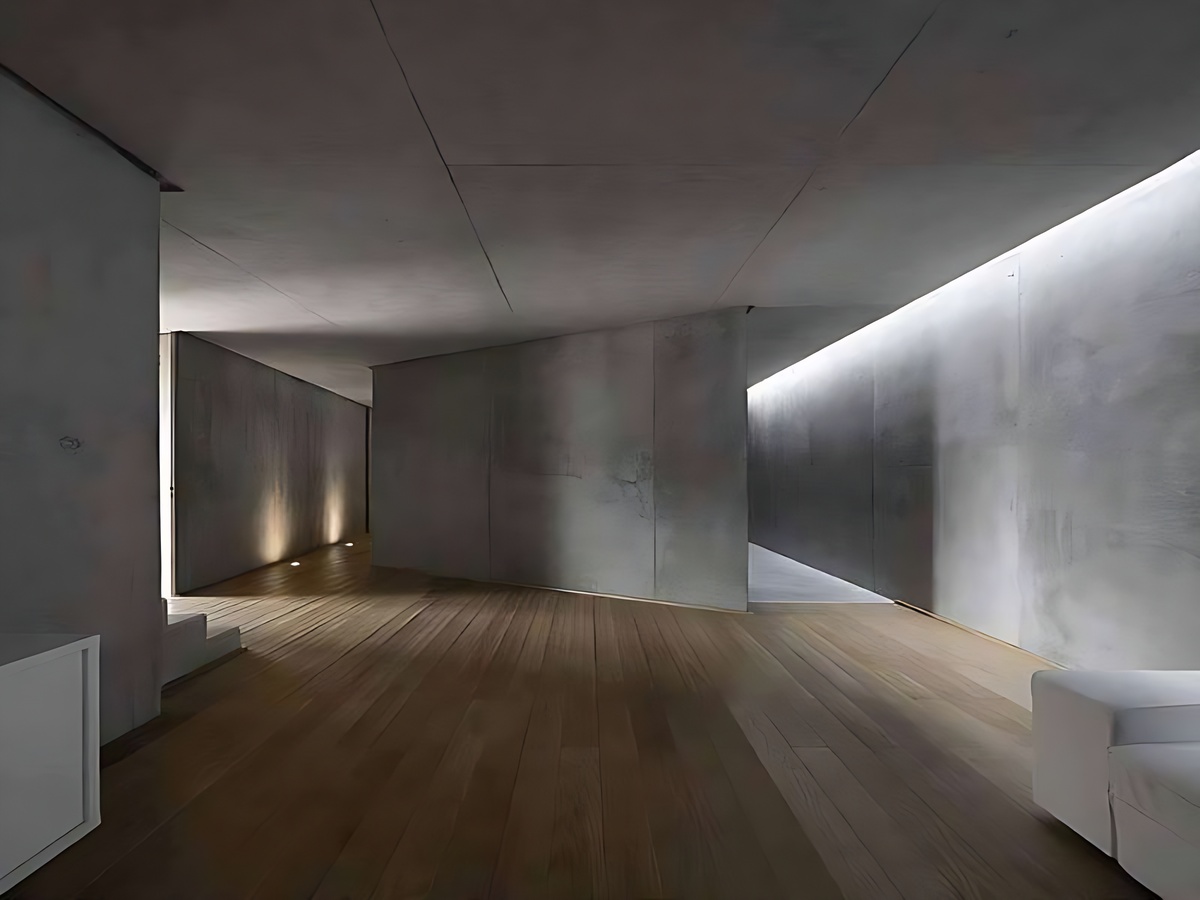
The wall core area may be larger than the actual usable area in an apartment. (Source: Collected)
1.3. Background of the two calculation methods
Usable area and wall-center area coexisted for a long time because the apartment market developed rapidly, while the method of calculating area was previously allowed to be applied according to contract agreements. When the market increased supply, many sellers used different measurement methods, leading to the same apartment but promotional materials, contracts, and technical records showing discrepancies. Later, the legal framework was perfected towards unifying the apartment's usable area according to the usable area dimensions to limit disputes, and at the same time, to make the issuance of certificates and house handover more transparent.
1.4. The importance of understanding the concept before spending money
Usable area and wall-to-wall area are not just matters of terminology but are directly related to the amount of money buyers have to pay and their living experience after receiving the house. When the selling price is listed per square meter, a difference of a few square meters can significantly increase the total value of the apartment, while the space for beds, wardrobes, and dining tables does not increase correspondingly. Besides the purchase price, buyers also need to pay attention to how the area is recorded in the handover appendix, the private ownership section, and the costs related to operational management, as a lack of clarity in the calculation method is often the seed of disputes.
2. Distinguishing between usable area and wall-center area in practice
2.1. Differences in measurement nature
Usable area and wall-center area differ most clearly in the scope of the floor area included in the calculation. Usable area refers to the interior space that can be used, excluding external walls, apartment partition walls, columns, and technical shafts, thus more closely reflecting actual living needs. Meanwhile, wall-center area is calculated based on the center line of the wall, so it may include parts that residents do not directly utilize in their daily lives.
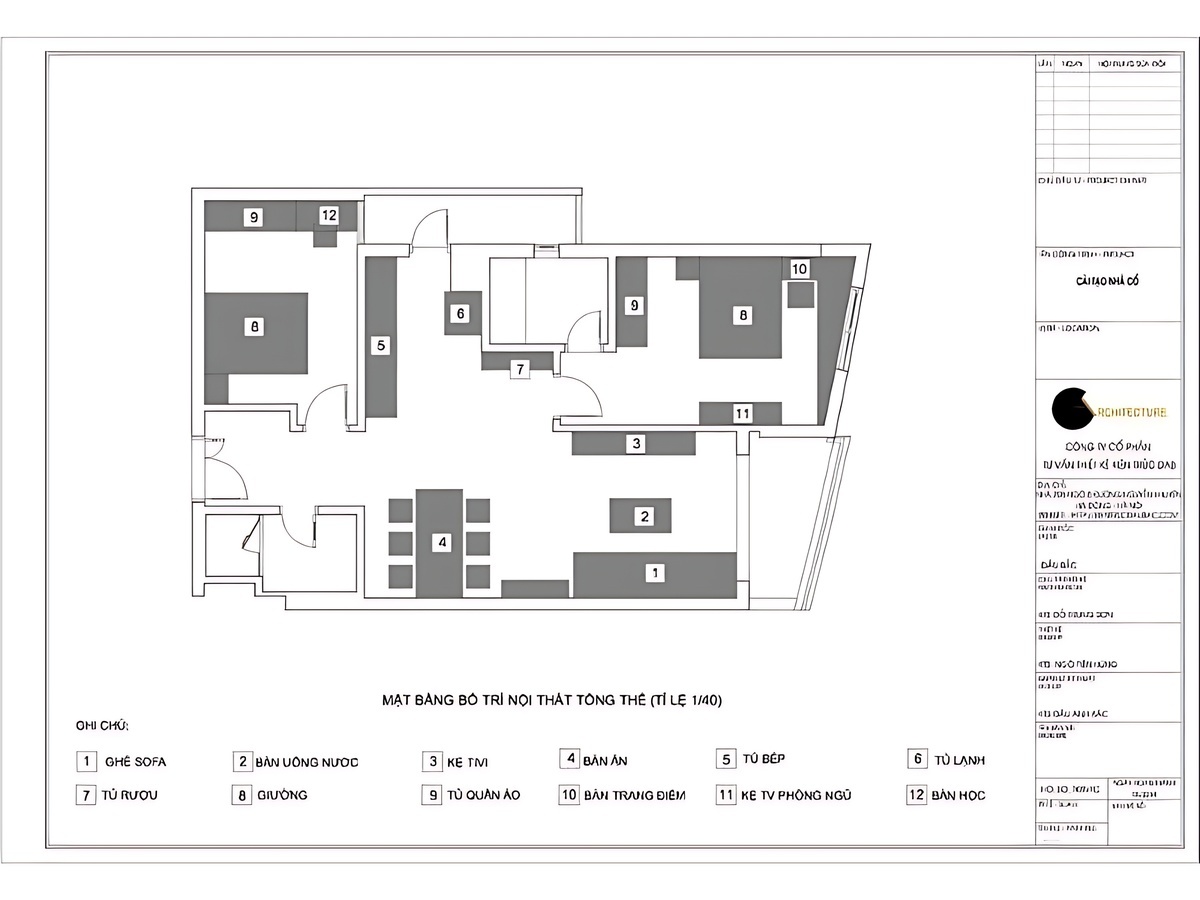
Net area reflects the usable space, wall core includes structure. (Source: Compilation)
2.2. Included and excluded areas
Usable area and gross area needs to be broken down by specific components to avoid misunderstanding. According to current principles, the usable area of an apartment calculated by net area includes the partition walls between rooms inside the apartment and the area of balconies and loggias attached to the apartment; in case the balcony has a common wall, it is calculated from the inner edge of that common wall. Conversely, the apartment's external walls, walls separating units, floor area with columns, technical shafts, and the external walls of technical shafts located within the apartment are not included in the net area.
2.3. Example illustrating the area difference in a specific apartment
Net Usable Area and Wall Centerline Area can create a significant difference even in a hypothetical apartment of moderate size. For example, a two-bedroom apartment with a usable floor area of 72 square meters, a 4 square meter balcony, 2 square meters for internal partition walls, and a total of approximately 5 square meters for external walls, apartment dividing walls, and technical shafts. When calculated by net usable area, the area can be recorded as approximately 78 square meters, but if calculated by wall centerline area, the figure can reach approximately 83 square meters.
2.4. Impact on Price Per Square Meter
Usable area and gross floor area becomes a financial issue as apartment prices are often announced based on the price per square meter. Assuming the unit price is 65 million VND per square meter, a difference of 5 square meters between the two calculation methods can cause the total offering price to deviate by up to 325 million VND. This difference is large enough to impact loan plans, initial down payments, taxes and fees incurred, and even the decision to choose a project.

Area difference greatly affects apartment prices and finances. (Source: Collected)
Actual user experience
Usable area and gross area differ on paper, but the most significant impact is felt in the daily living experience within the apartment. A living room that includes the wall area in its calculation will not provide additional space for a sofa, decorative cabinets, or walkways, while buyers can easily misjudge if they only look at the total square meters.
3. Latest legal regulations in 2026 regarding apartment area to know
3.1. Legal basis applicable from 2025 to 2026
Usable area and wall core area are currently regulated by a synchronized legal regulatory system. Specifically, the current principles for determining area are based on Housing Law No. 27/2023/QH15, detailed guidance provided by Decree No. 95/2024/ND-CP specifying certain articles as of May 2026. Currently, Circular 08/2026/TT-BXD has been issued to amend and supplement related regulations, effective from February 15, 2026.
According to the provisions in Clause 2, Article 101 of the Housing Law 2023, the usable area of an apartment is calculated according to the net area. This is a mandatory regulation to be recorded in the Certificate of Land Use Rights, Ownership of Assets Attached to Land granted to the owner.
Within this regulatory framework, the principle of determining the usable area of an apartment according to the net area continues to be an important reference standard when recording ownership, handover, and management of apartments. Therefore, when referring to commercial apartments in 2026, buyers should compare records according to this legal framework instead of using old advice from previous periods.
3.2. How to record area in an apartment purchase contract
Usable area and wall-to-wall area should be checked immediately in the description of the purchased item in the contract, and should not wait until receiving the house to compare. Buyers should carefully review the clause recording the apartment area, the private ownership section, the attached technical appendix, the operating management regulations, and the handover documents, as many important pieces of information may be separate from the main selling price.
3.3. Points buyers need to compare between the contract, drawings, and sales materials
Usable area and wall-to-wall area should be cross-referenced across at least three groups of documents: brochures or price lists, sales contracts, and technical floor plans. Brochures tend to be promotional and may only state a prominent area figure, while the contract is the binding document for the rights and obligations of the parties. Floor plans help buyers identify the location of columns, technical shafts, thick walls, or areas adjoining balconies to estimate the actual usable area.

Document comparison helps to accurately understand the apartment's actual area. (Source: Collected)
3.4. Common disputes related to apartment area
Net area and wall core area frequently become points of contention when buyers discover external walls, walls bordering loggias, or technical shafts are included in the usable area, or when measurements in technical documents do not match the understanding in the contract.
According to new regulations, disputes over area are usually resolved based on the permissible error stated in the contract (usually not exceeding 1% or as agreed). If the actual usable area upon handover differs beyond the agreed level compared to the area stated in the sales contract, the apartment's selling price will be adjusted according to the actually measured area. This has been clearly legalized to protect the buyer's rights against measurement errors or intentional inclusion of walls and columns in the saleable area.
3.5. Principles for protecting the rights of homebuyers
Usable area and wall area can only be truly risk-controlled when the buyer actively keeps records and requests clear explanations before signing. Buyers should keep the sales offer, consultation emails, floor plans, registered contract templates, attached appendices, and all explanatory documents regarding the area calculation method.
4. Experience applying usable area and wall area when buying an apartment
4.1. How to read sales listings and project brochures
Usable area and gross floor area can be recognized quite quickly through the wording used in sales listings. If the brochure states usable area, net area, private ownership area or emphasizes the balcony/loggia area with a description excluding boundary walls, it is highly likely that the document follows the net area standard.
4.2. How to estimate the actual usable area before signing the contract
Usable area and wall-to-wall area can be roughly estimated by oneself if the buyer can read the apartment floor plan instead of just looking at the perspective view. The simple way is to look at the position of the outer walls, columns, technical boxes, the width of the living room, the space for placing the bed in the bedroom, the depth of the kitchen, and the part connecting to the loggia to visualize the truly usable floor space.
4.3. Questions to ask the investor or broker
Usable area and wall-to-wall area should be included as a mandatory set of questions in every apartment purchase consultation. Buyers need to clearly ask which area the apartment being offered is based on, which figure the unit price is applied to, how balconies and loggias are calculated, whether columns and technical shafts are included, how area discrepancies upon handover are handled, and what legal basis is being applied.
4.4. When to prioritize usable area in decision making
Usable area and wall-to-wall area do not have the same reference value in all circumstances, but when the objective is to buy for occupancy, the usable area should be prioritized. This is the figure closest to the actual usable area, suitable for assessing living space, interior layout possibilities, comfort levels for families with young children or the elderly, as well as the long-term perception of space.

Usable area reflects the actual usable space in the apartment. (Source: Compiled)
4.5. Conclusion smart choice for apartment buyers in 2026
Usable area and wall-to-wall area are two concepts that need to be distinguished from the very first information reading stage, because their differences lie not in the naming but in the financial value, living experience, and legal safety of the transaction. In the context where the current legal system has clearly defined the principle of calculating apartment usable area according to the usable area dimensions as the highest legal standard, buyers should prioritize reading the contract, drawings, handover appendices, and sales documents on the same comparison standard. Understanding usable area and wall-to-wall area not only helps you read the numbers correctly on paper but also see the true value of the apartment in reality. Before signing the contract, carefully check the area calculation method, cross-reference legal documents, and request the seller to provide clear explanations to protect your rights.
Clearly understanding net usable area and gross floor area not only helps you read the numbers correctly on paper but also see the true value of the apartment in reality. Before signing the contract, carefully check the area calculation method, cross-reference legal documents, and ask the seller for a clear explanation to protect your rights.