


Warehousing and logistics real estate development trends
Warehousing and logistics real estate is becoming a segment attracting many investors thanks to the boom in e-commerce, industrial production, and transportation infrastructure. This is considered a market with high long-term growth potential.

▲Table of Contents
1. What is Warehousing and Logistics Real Estate?
Warehousing and logistics real estate is a type of real estate that serves the activities of storing, transporting, distributing, and managing goods within the supply chain. This segment includes various types such as warehouses, logistics centers, cold storage, distribution centers, dry ports, or areas supporting freight transport services. These projects are often developed near industrial parks, seaports, airports, or major transportation routes to optimize connectivity and transportation.
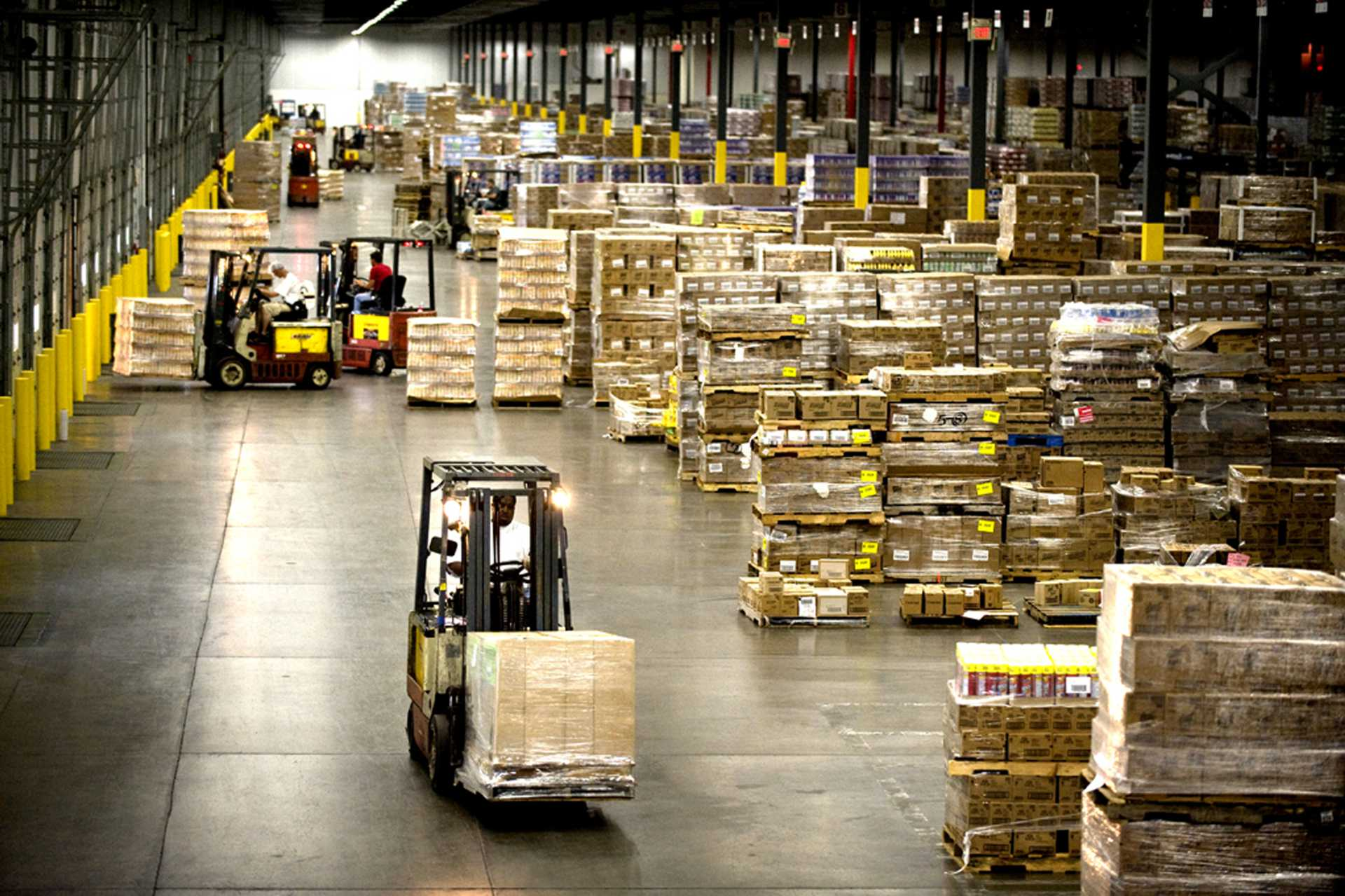
Warehousing and logistics real estate is a type of real estate that serves the storage, transportation, and distribution of goods. (Source: Collected)
In recent years, the strong development of e-commerce, industrial production, and import-export activities has led to an increasing demand for modern warehousing systems. This helps warehousing and logistics real estate become one of the segments with great development potential thanks to stable exploitation capabilities and increasingly high practical usage demand from domestic and foreign enterprises.
2. Popular types of logistics real estate
The strong development of supply chains, e-commerce, and import-export activities is driving the demand for diversifying models of warehousing and logistics real estate. Not only stopping at traditional warehouses, the current market also sees many modern logistics types to meet the increasingly specialized needs for storing, operating, and distributing goods.
2.1. Warehousing and distribution centers
Warehousing and distribution centers are the most popular types in the field of warehousing and logistics real estate today. This is where goods are stored, sorted, and transshipped before being delivered to agents, stores, or end customers.
Distribution centers are often built near industrial zones, seaports, or major transportation routes to optimize transportation time and reduce logistics costs for businesses. With the increasing demand for goods circulation, this type of facility is attracting the attention of many businesses and investors.
2.2. Cold storage serving food and healthcare
Cold storage is a type of real estate specialized for storing goods that require stable temperatures, such as food, pharmaceuticals, or medical equipment. This is a segment with strong demand in recent years, thanks to the development of the food, healthcare, and e-commerce industries.
Compared to traditional warehouses, cold storage requires higher technical standards and investment costs to ensure the quality of goods preservation. This makes the cold storage segment become one of the types of warehousing and logistics real estate with long-term development potential.
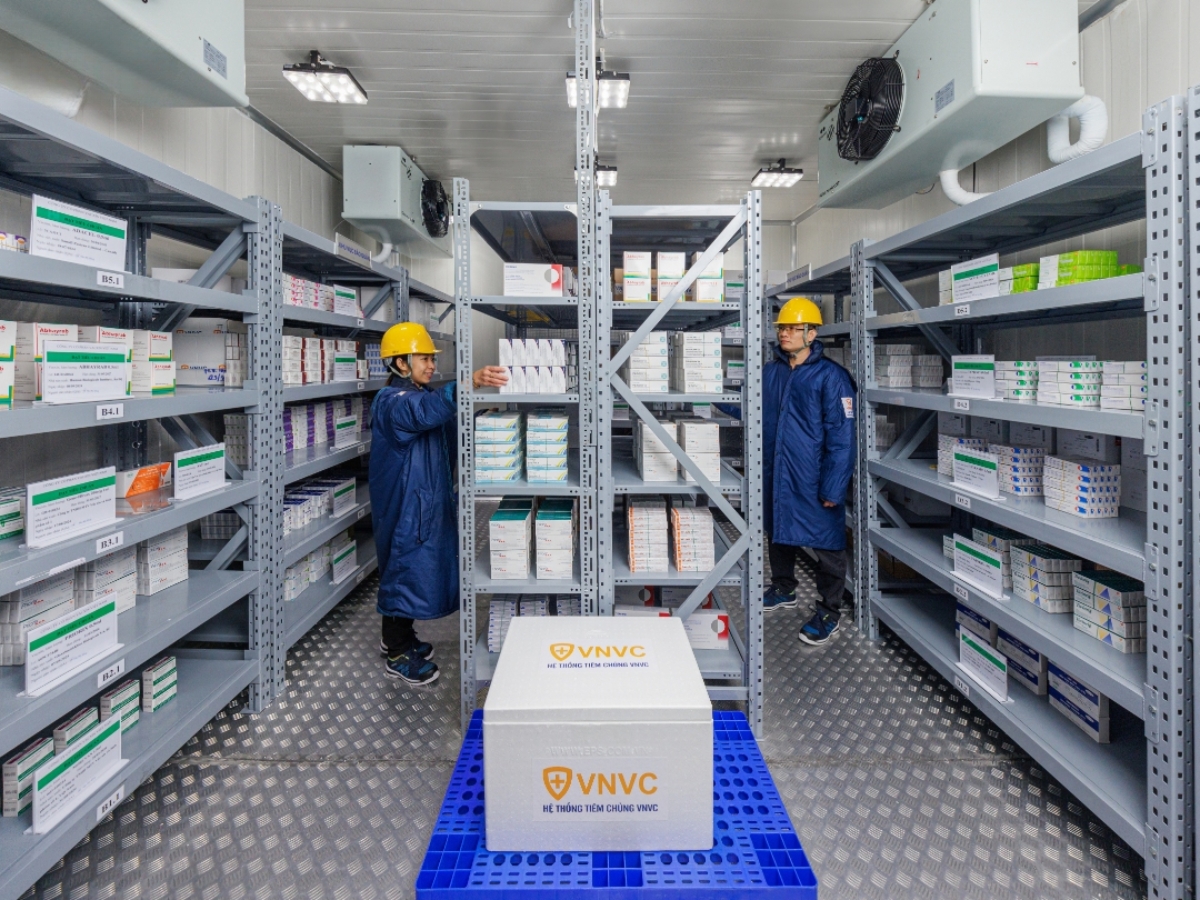
Cold storage serving food and medical. (Source: Collected)
2.3. Integrated logistics industrial park
Logistics-integrated industrial parks are a model combining industrial production and warehousing systems within the same area to optimize the supply chain for businesses. This model helps reduce transportation time, save costs, and improve operational efficiency in production and business activities.
Currently, many localities are prioritizing the development of logistics-integrated industrial parks near major seaports, airports, or highways to increase the ability to attract domestic and foreign investment capital. This is also a prominent development trend in the modern logistics market.
2.4. Fulfillment centers for e-commerce
The boom of e-commerce is driving the demand for the development of fulfillment centers specializing in order processing and fast delivery. These centers handle many stages such as warehousing, packing, sorting, and shipping goods to the end customer.
Unlike traditional warehousing, fulfillment centers are often invested with modern technology to speed up order processing and optimize operations. This is considered a segment with great potential in the warehousing and logistics real estate market thanks to the strong growth rate of the current e-commerce industry.
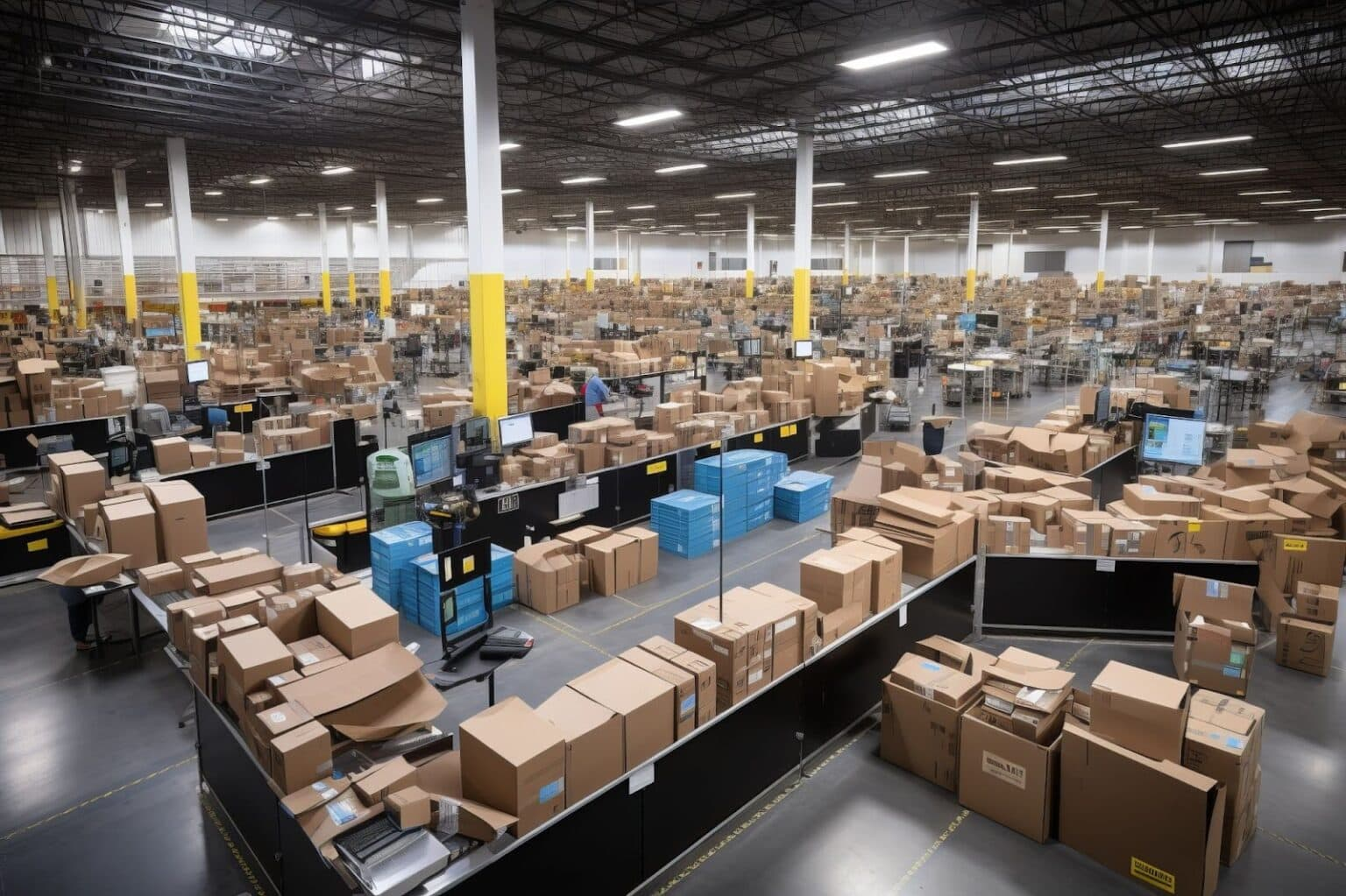
Fulfillment center for e-commerce. (Source: Collected)
3. Warehousing real estate and logistics: Is there investment potential?
In the context of e-commerce, industrial production, and continuously developing import-export activities, warehouse and logistics real estate is becoming a segment receiving much attention from investors. Not only does it possess a large practical demand, but this type of property is also assessed to have long-term growth potential thanks to the development of transportation infrastructure and industrial zones in many localities.
3.1. Warehouse rental demand surges
The development of e-commerce and modern supply chains is causing the demand for warehouse rental to increase rapidly in recent years. Many manufacturing, retail, and logistics businesses are continuously expanding their storage systems to meet the ever-increasing speed of goods circulation.
This helps the market for warehousing and logistics real estate maintain stable rental demand in many key areas. Warehouses located near industrial parks, seaports, or major transportation routes often have a significant advantage in attracting long-term tenants.
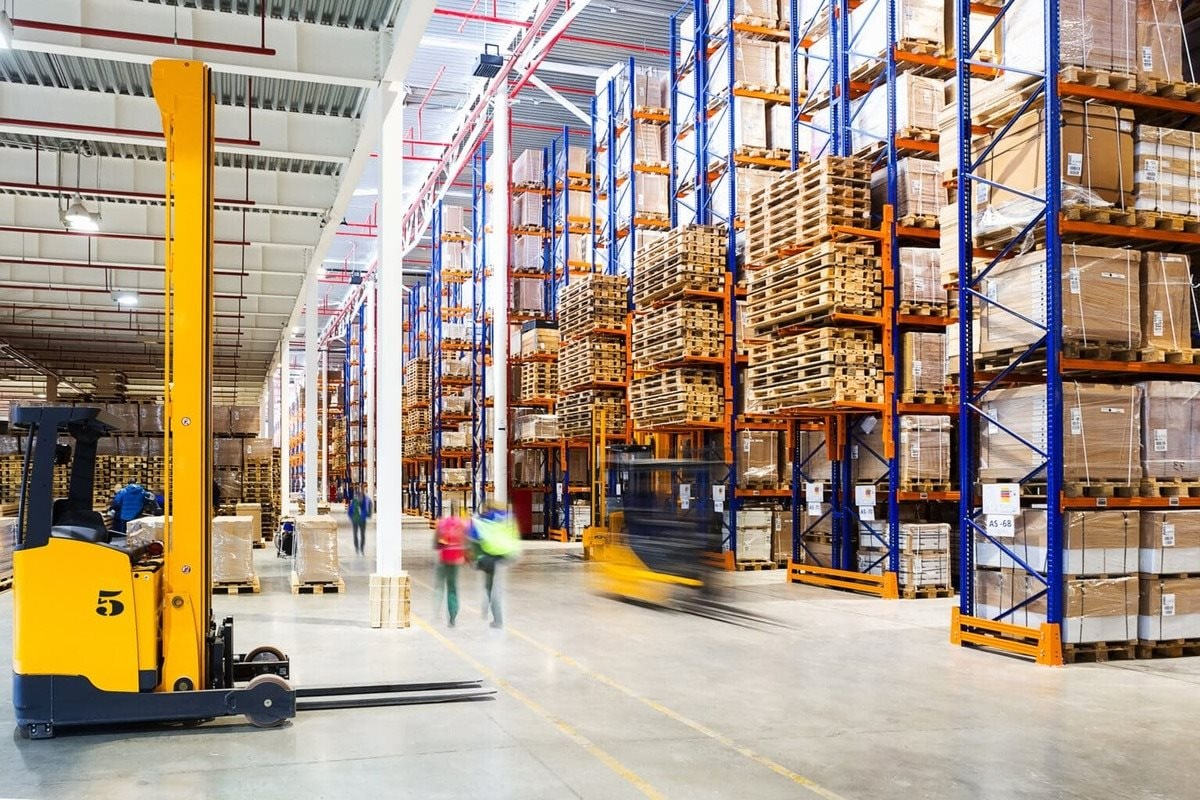
In recent years, the demand for warehouse rental for production and business has been increasing strongly. (Source: Compiled)
3.2. Occupancy rate in many areas remains high
In many major industrial and logistics hubs, the occupancy rate of modern warehouses is remaining at a relatively high level thanks to continuously increasing rental demand. This reflects the actual exploitation potential and the ability to generate stable cash flow of this segment.
Besides, the supply of high-quality warehousing in some areas remains limited while the expansion needs of businesses are growing. This is seen as a factor that further drives warehouse and logistics real estate to develop strongly in the coming time.
3.3. Potential for price increase based on infrastructure and industry
The development of transportation infrastructure such as expressways, seaports, airports, and ring roads is creating a strong impetus for the logistics market. Areas with convenient connectivity tend to easily attract businesses and increase long-term demand for warehousing.
In addition to infrastructure factors, the expansion rate of industrial parks also contributes to boosting the value of logistics real estate in many localities. This is why many investors assess warehousing and logistics real estate as a segment with stable growth potential in the future.
4. Areas Benefiting from Logistics Real Estate
The development of transportation infrastructure, industry, and import-export activities is creating strong momentum for the market of warehousing and logistics real estate in many localities. Areas with advantages in transportation connectivity, seaports, or concentrated industrial zones often have the potential to attract logistics businesses and increase the demand for long-term warehousing.
4.1. Areas near seaports and airports
Areas near seaports and airports are always considered strategic locations for logistics operations thanks to their convenient connectivity with domestic and international goods transportation chains. This is where many warehousing centers, cold storage facilities, and distribution services are concentrated to serve import-export activities.
Localities possessing large seaports or international airports often have significant advantages in developing warehousing and logistics real estate. The continuously increasing demand for goods storage and transit helps these areas strongly attract investment capital in recent times.
4.2. Key industrial provinces
Provinces with strong industrial development speed are often areas with high demand for warehousing and logistics systems. The concentration of many factories, industrial zones, and manufacturing enterprises causes the demand for storing raw materials, goods, and transportation to increase rapidly over time.
Localities such as Binh Duong, Dong Nai, Hai Phong, Bac Ninh, or Long An are currently becoming bright spots in the logistics market thanks to industrial advantages and increasingly complete connectivity infrastructure. This is also a group of areas with strong potential for warehouse development in the future.
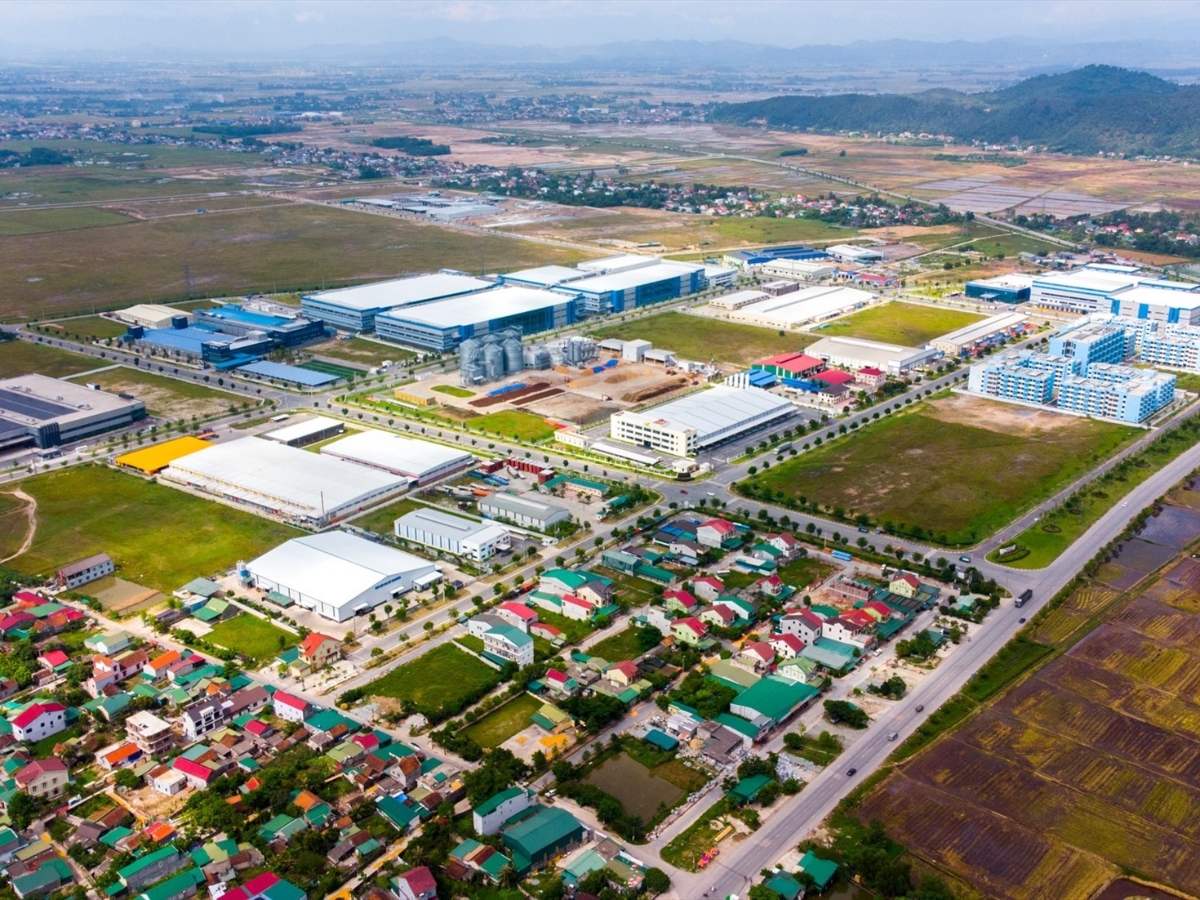
In industrial parks, the demand for warehousing is quite large. (Source: Collected)
4.3. Areas near expressways and inter-regional logistics centers
Transportation infrastructure plays a very important role in the development of warehousing and logistics real estate . Areas located near expressways, ring roads, or inter-regional logistics centers often have significant advantages in transportation time and connectivity between localities.
As the transportation network becomes increasingly integrated, many previously underdeveloped areas are also beginning to attract logistics companies and warehousing investors. This is a factor that helps increase real estate value and expand logistics development potential in many localities across the country.
It can be seen that warehousing and logistics real estate is becoming one of the segments with great potential thanks to the strong development of e-commerce, industry, and transportation infrastructure. The demand for warehousing, distribution centers, and modern logistics systems is forecast to continue increasing in the coming time, especially in areas near major seaports, airports, and highways. With stable exploitation capabilities and long-term growth potential, this segment is attracting more and more businesses and investors.