


Wellness Apartment: Choosing Biophilic Design Style for Apartments
Have you ever dreamed of a living space like a miniature hanging garden right in your living room? Implementing biophilic design style in an apartment will turn that dream into reality with smart arrangement solutions. Discover the power of nature in elevating the aesthetic value of your home.

▲Table of Contents
1. Biophilic Design Style in Living Spaces
1.1. Definition of Biophilic Design in Interiors
Biophilic Design is an interior design method aimed at connecting people with nature through living spaces and natural environmental elements. The term originates from "biophilia," meaning the natural human connection with living elements such as greenery, water, and light. In interior design, this style is not just about bringing plants into the home but also recreating multi-sensory nature experiences.
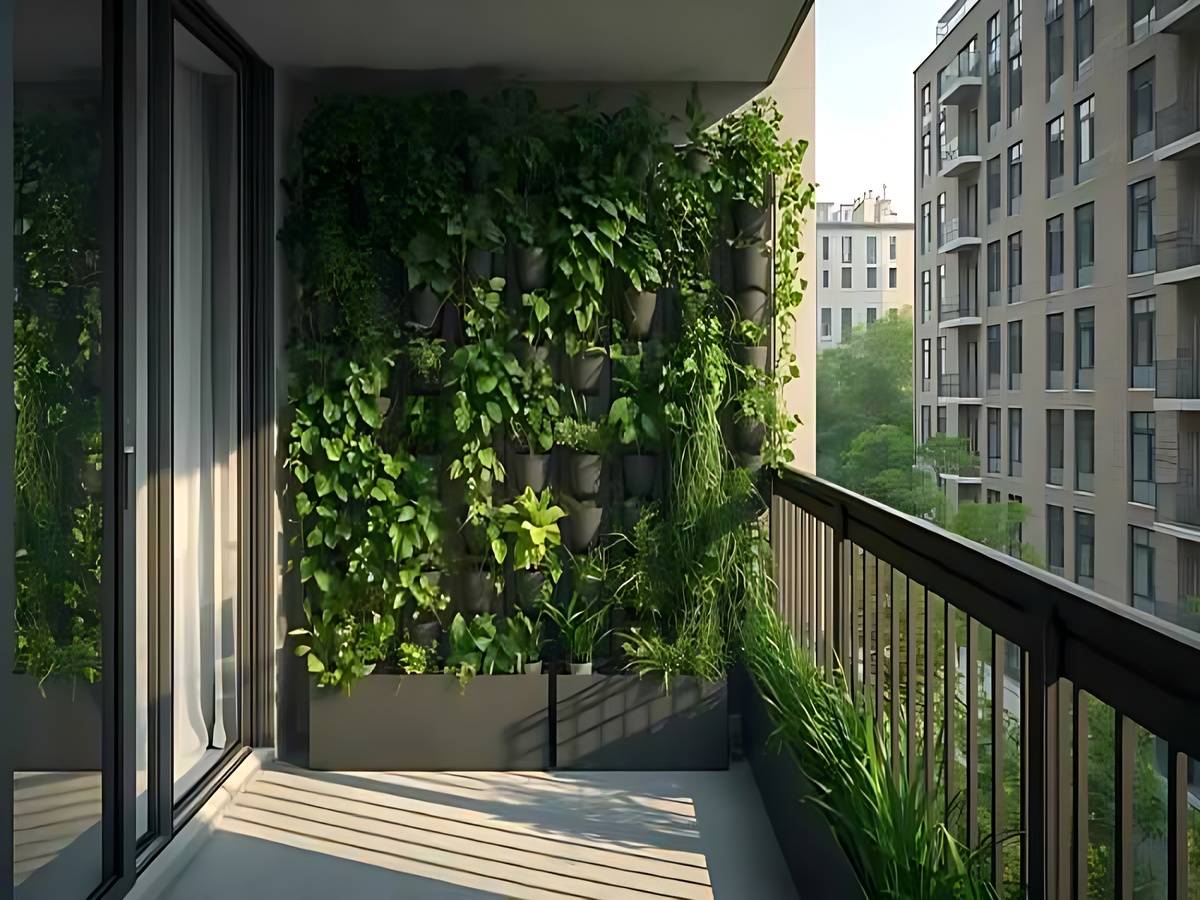
Biophilic Design in interiors connects people with nature through greenery, light, and materials. (Source: Collected)
1.2. The development of the green design trend
The green design trend is booming in the context of urbanization as the demand for fresh living spaces is increasingly concerned. Biophilic Design becomes a solution to bring natural elements into modern apartments, especially in large urban areas. When analyzing the Biophilic Design style in apartments, it can be seen that this style reflects the trend of sustainable living in modern society.
In Vietnam, according to the orientation for green building development by 2030, Biophilic Design is not just an aesthetic trend but also a standard for achieving green certifications such as LOTUS or EDGE. Many apartment projects today are required to integrate green spaces, skylights, and natural ventilation systems to minimize the urban heat island effect and enhance residents' happiness index. This is one of the strategic approaches in sustainable architectural design today.
1.3. The core of biophilic style
The core principle of Biophilic Design is to leverage natural elements such as light, greenery, water, and natural materials in living spaces. These elements help recreate a sense of connection to nature right within urban environments. Furthermore, designing open spaces also contributes to enhancing air circulation.
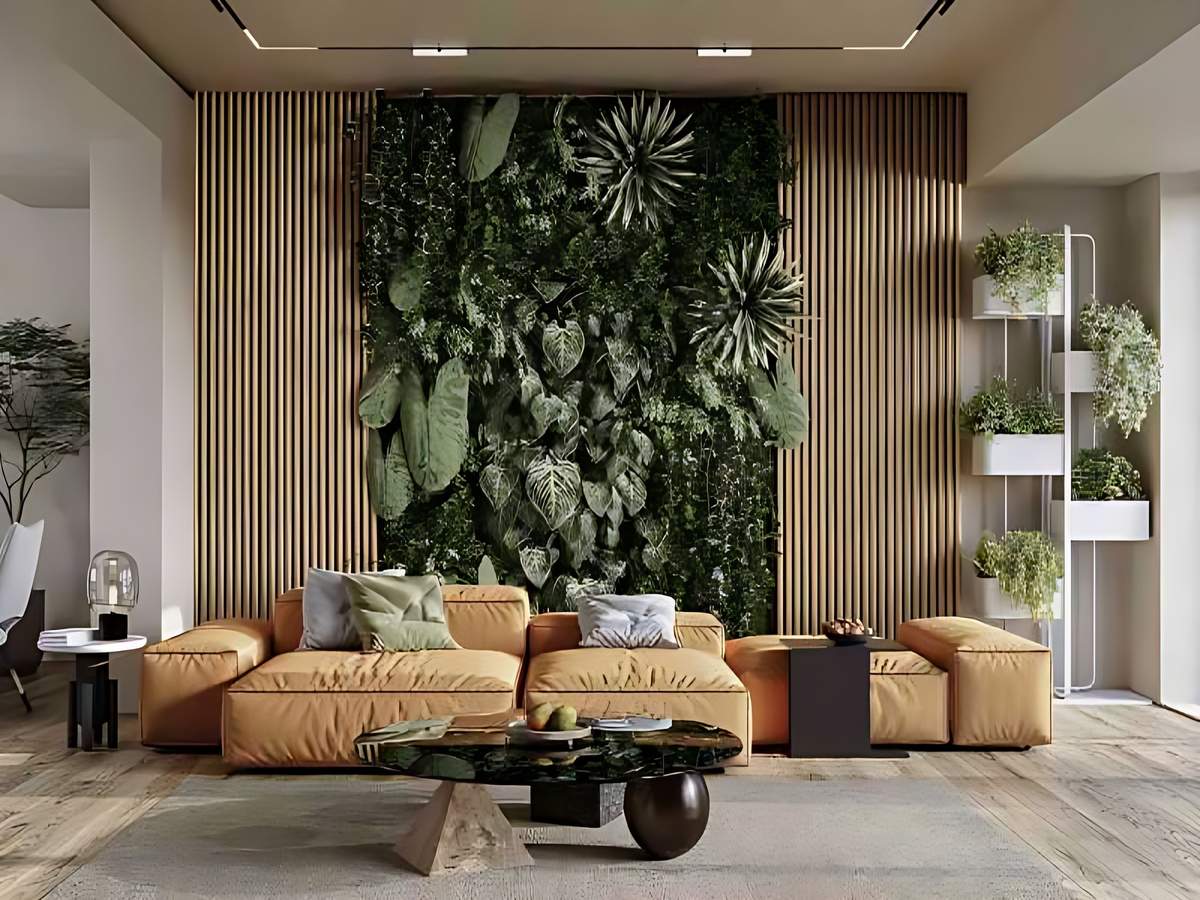
Use light, greenery, and natural materials in living spaces. (Source: Collected)
When evaluating the Biophilic Design style in apartments, it can be seen that the balance between humans and the environment is an important factor. The space is organized to meet living needs while creating a sense of relaxation. This helps improve the quality of life in modern apartments.
2. Identifying signs of Biophilic Design style in apartments
2.1. Space filled with natural light and outdoor connection
Greenery is the most recognizable element in biophilic style, arranged in many locations such as the living room, balcony, or common living area. Proper plant arrangement helps create green spaces and improve air quality. When applying Biophilic Design style in apartments, plant arrangement needs to ensure harmony with the overall space.
2.2. Natural light and ventilation
Natural light plays an important role in creating living spaces in the biophilic style. When exploring Biophilic Design style in apartments, it can be seen that natural ventilation helps significantly improve the living environment. Good air circulation will create a comfortable and airy feeling. According to National Technical Regulation QCVN 09:2017/BXD on energy-efficient buildings, the utilization of natural light and cross-ventilation are prerequisite requirements.
In the Biophilic style, designs prioritize large windows and open spaces to reduce reliance on artificial energy, saving up to 20% on electricity costs. Natural ventilation not only creates a sense of spaciousness but also helps control CO2 levels, ensuring respiratory health for homeowners in urban conditions.
2.3. Natural materials in interiors
The core of materials in Biophilic Design is not just being "natural" but also the feeling when looking – when touching – when used long-term. Wood should retain its natural grain, preferably with a matte or oiled finish to clearly see the wood grain; light-colored woods like oak and ash help make the space feel light, while dark woods create depth. Natural stone should have a honed or lightly textured surface instead of a glossy finish to maintain a sense of closeness, and the stone's pattern should not be too sharp to avoid an artificial feel.
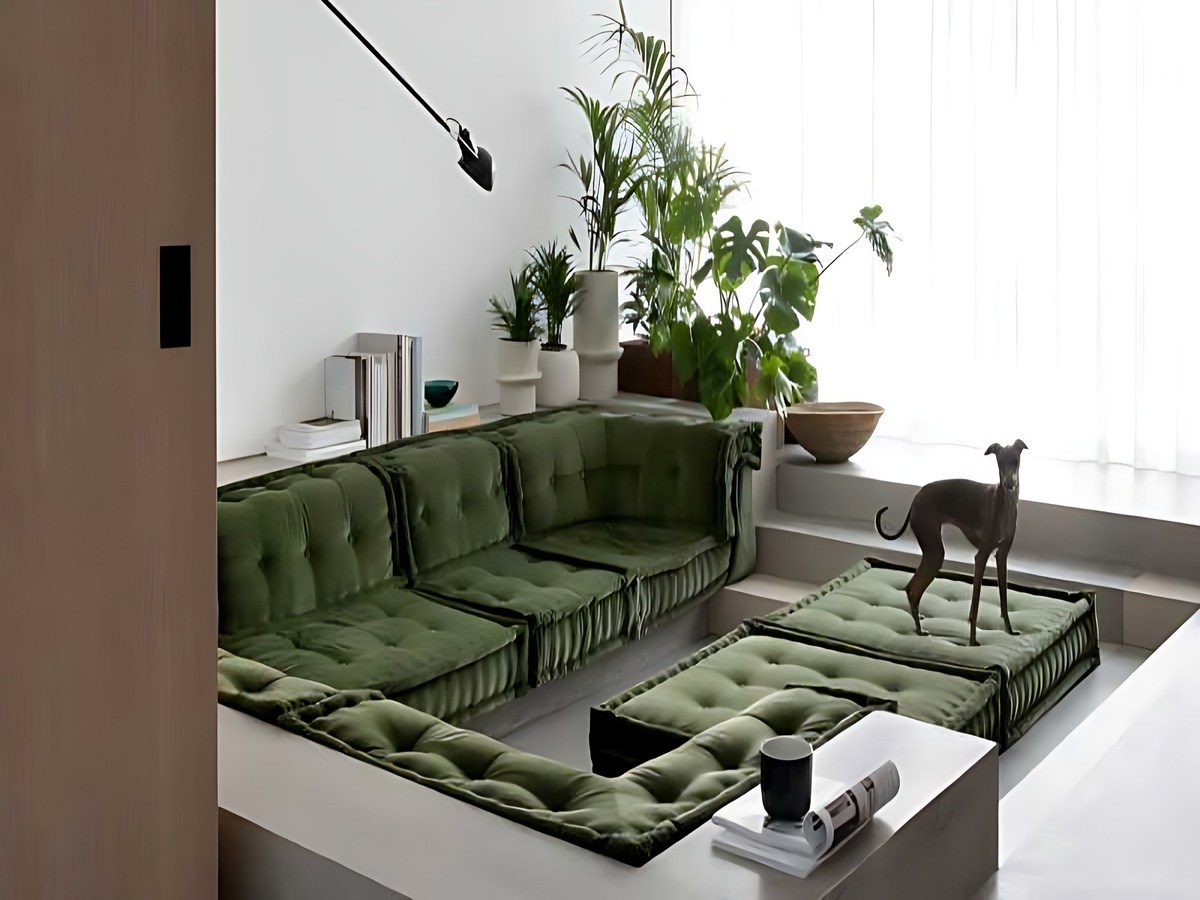
Biophilic style prioritizes natural materials such as wood, stone, bamboo, creating a warm and sustainable space. (Source: Collected)
Bamboo, rattan, and jute are characteristic materials for creating a sense of airiness and craftsmanship, often used for chairs, lamps, and decorative partitions. Fabrics should be linen, cotton, or wool with a slightly rough surface, not too smooth – this very "imperfection" creates a genuine feeling. Additionally, materials like terracotta, handmade ceramics, or polished concrete can be added to increase texture diversity while maintaining a natural spirit.
3. Living Green - Living Healthy: Benefits of Biophilic Design for Life
3.1. Improving Physical and Mental Health
The presence of greenery, natural light, and organic materials helps the nervous system 'cool down' after a long period of stress. Spaces with natural elements often reduce heart rate, stabilize emotions, and create a greater sense of safety and comfort. In the long term, such living environments support improved sleep quality and reduce mental fatigue.
3.2. Improve air quality and physical health
Biophilic Design encourages natural ventilation through windows, balconies, and airflow, helping to reduce humidity and limit stagnant air. Greenery contributes to balancing the living environment, combined with natural light to keep the space dry and comfortable. As a result, respiratory and physical health are significantly improved in daily life.
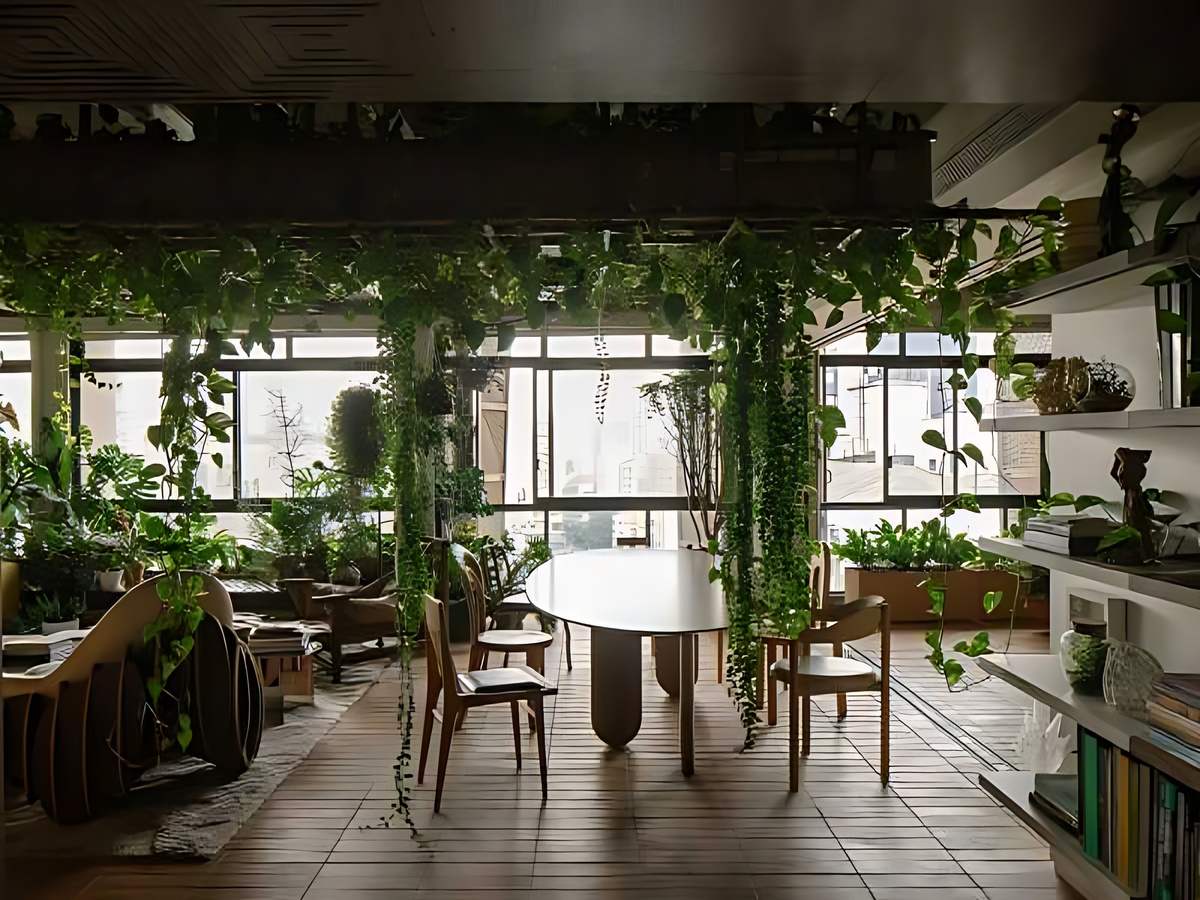
Biophilic style enhances apartment aesthetics through greenery, light, and natural materials. (Source: Collected)
When analyzing the Biophilic Design style in apartments, it can be seen that natural elements help the space become more modern and comfortable. Natural design details create a difference compared to other interior design styles. This is a prominent feature in current design trends.
3.3. Contributing to building a sustainable lifestyle
Biophilic style encourages the use of natural energy and environmentally friendly materials in interior design. When exploring Biophilic Design style in apartments, it can be seen that this style contributes to changing living habits in a more positive direction. Living spaces are designed to maximize the use of natural resources.
Biophilic Style encourages the use of renewable energy and low-carbon materials in interiors. Optimizing natural resources helps reduce greenhouse gas emissions, contributing to the Net Zero goal that the government is aiming for. Living spaces are designed to maximize sunlight and natural ventilation, creating a closed-loop green living cycle.
4. Applying Biophilic Design to Actual Apartments
4.1. Bright, Green, and Airy Living Room
The living room needs to clearly express the Biophilic spirit through light + plants + materials. Prioritize large glass doors or thin curtains for even light distribution, combined with 1 large plant (1–1.5m tall) placed near a light source to create a natural focal point. Furniture should use light-colored wood, rough fabrics, and limit glossy surfaces to maintain a "real" feeling. The layout needs to be airy, not filling the walls, creating open spaces for natural light and air circulation.
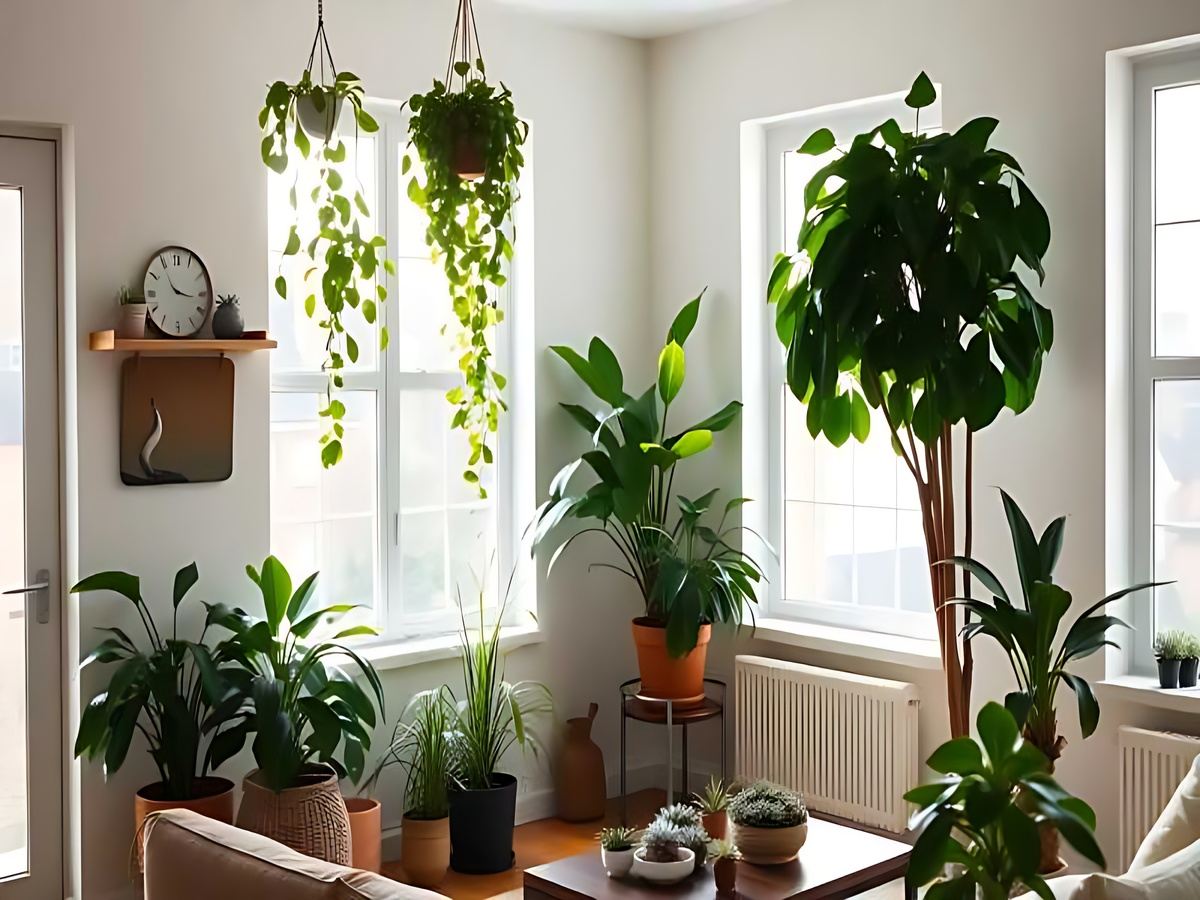
Biophilic style living room combines greenery, light, and natural materials harmoniously. (Source: Collected)
4.2. Clean, airy kitchen with subtle natural elements
A kitchen in Biophilic Design doesn't need many plants but requires a clean and airy feel. It should be placed near a window for odor ventilation and to welcome natural breezes, incorporating a few small potted plants or herbs. Materials like wood, matte stone, or neutral-colored tiles help the kitchen space feel less "industrial," creating a comfortable feeling for long-term use.
4.3. Notes when applying the biophilic style
When applying the biophilic style, it is necessary to avoid overusing too many plants or decorative elements that clutter the space. The design needs to ensure harmony between natural elements and interior furnishings. This helps maintain balance in the living space. In addition, ensuring comfort and functionality remain important factors. The space needs to be designed to suit actual usage needs.
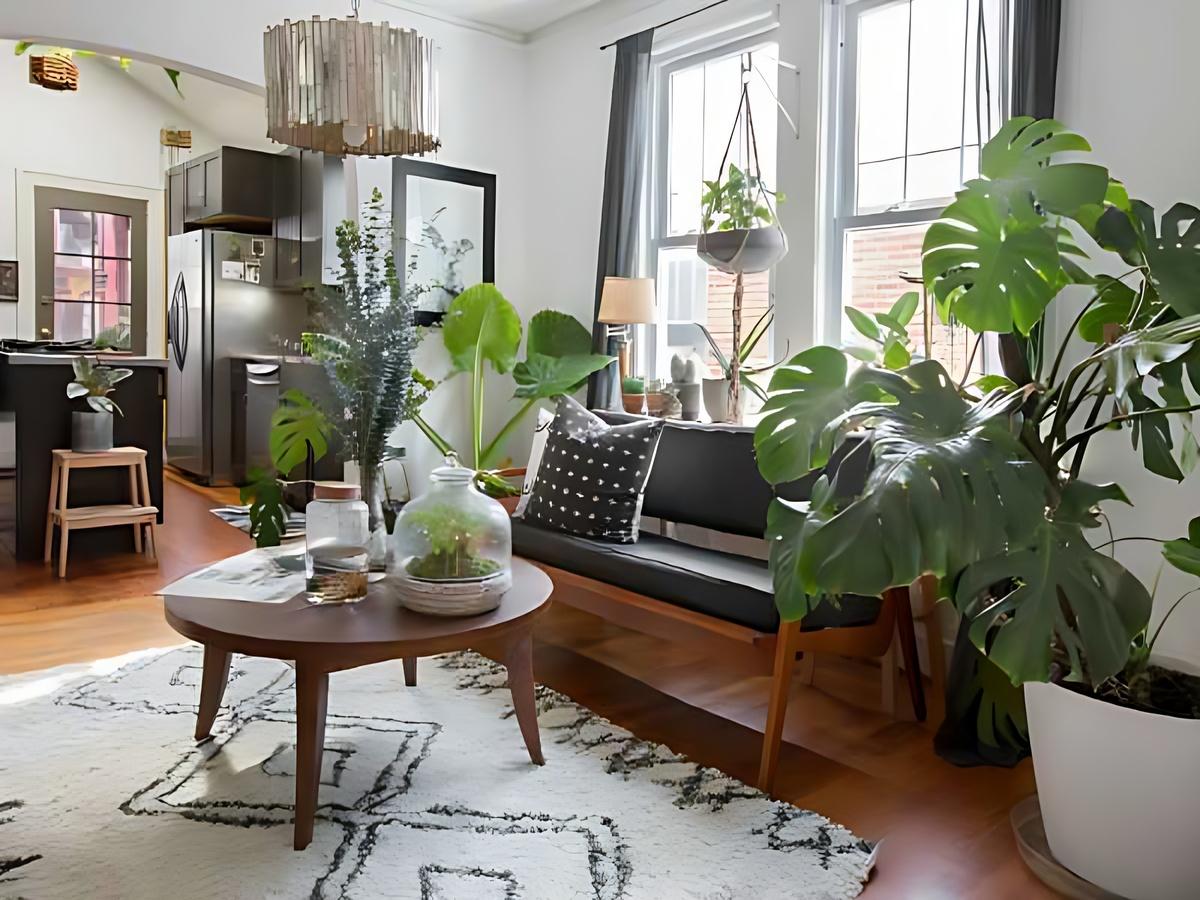
Applying Biophilic requires balancing greenery, furniture, and ensuring comfort and functionality. (Source: Collected)
It can be affirmed that understanding the Biophilic Design style in apartments will help you create a harmonious living space, close to nature, right in the city. This is not just a design trend but also a solution to improve sustainable quality of life in the future.