


Wellness real estate development trends in Vietnam
Wellness real estate is becoming a prominent trend as the demand for green living, healthy living, and improving quality of life continues to rise. Not just a place to live, this model also aims for experiences of balanced physical and mental well-being, and a sustainable living environment.

▲Table of Contents
1. Overview of healthcare real estate
In recent years, the trend of green living and improving quality of life is making more people interested in real estate models associated with healthcare. Not only meeting housing needs, this type also aims for a balanced living experience, resort-style living, and physical and mental recovery for residents in the long term.
1.1. Concept of healthcare real estate
Wellness Real Estate are residential projects, resorts, villas, or apartments designed with integrated amenities to enhance residents' physical and mental well-being. This is a development model that aims for green living, leisure, energy rejuvenation, and improving long-term quality of life.
Wellness projects often focus on natural spaces, air quality, lighting, landscapes, and wellness amenities such as spas, yoga, meditation, sports, or relaxation areas. This is also a real estate trend that is gaining significant attention amidst the growing demand for balanced living and health care.
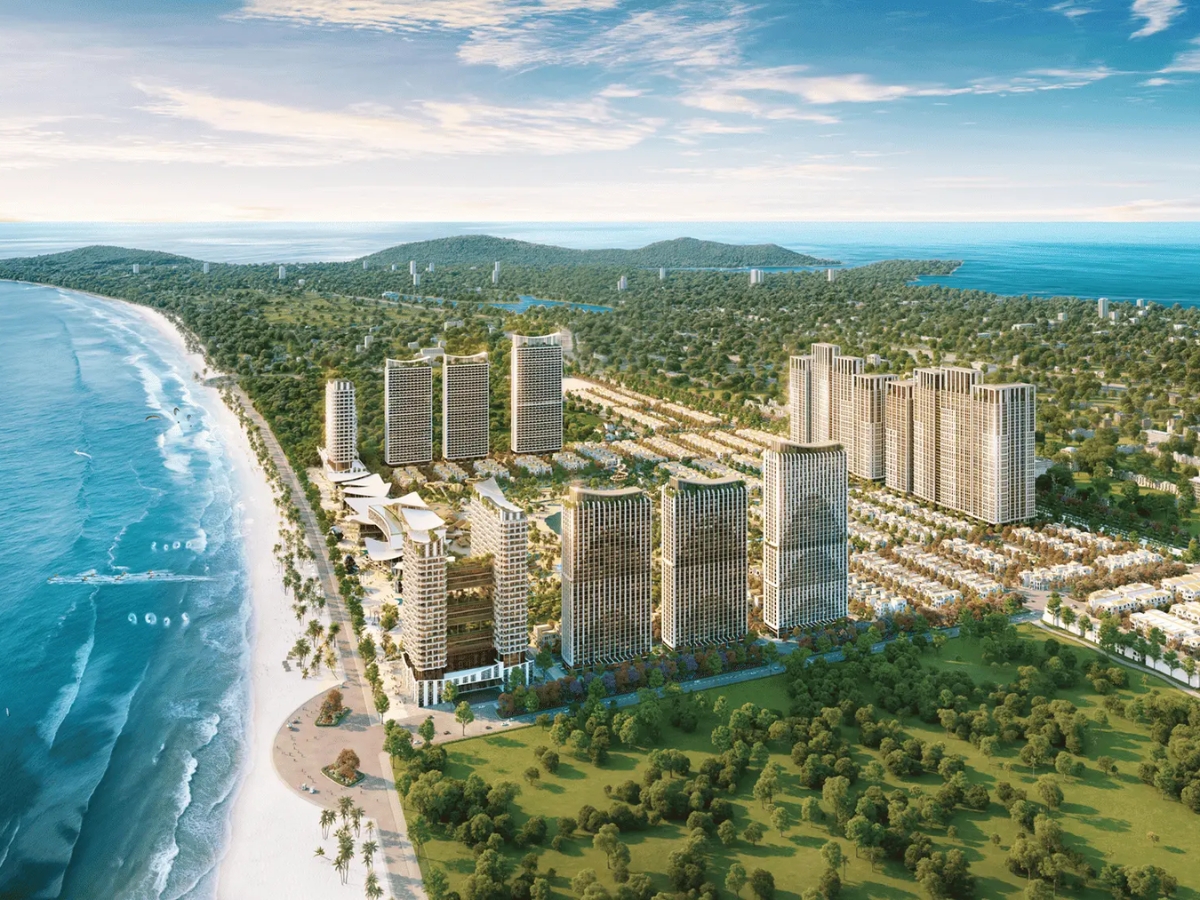
Wellness real estate offers green living spaces and enhances quality of life. (Source: Collected)
The difference from traditional real estate
Unlike traditional real estate which primarily focuses on location, functionality, and accommodation needs, wellness real estate focuses more on the living experience and the mental well-being of residents. Living spaces not only serve the need for housing but also support rest, rejuvenation, and enhance daily quality of life.
Furthermore, wellness projects often prioritize low construction density, ample green spaces, and health-focused amenities rather than solely concentrating on commercial aspects or accommodation exploitation. This is also a factor that helps this type of property increasingly attract customers seeking green living, resort-style experiences, and long-term investment.
2. Why does healthcare real estate become a trend?
After the pandemic period and the pressure from urban life, many people are paying more attention to physical and mental health, and the quality of living environment. This makes healthcare real estate gradually become a prominent trend in the market, as it not only meets housing needs but also brings a balanced and resort-like living experience right at home.
2.1. The need to improve living quality after the pandemic
After the pandemic, homebuyers are increasingly prioritizing living spaces that can support health and wellness and offer a greater sense of safety and relaxation. Projects that offer green living environments, low-density settings, and numerous physical recovery amenities are receiving significant market attention.
More than just a place to live, housing is now also seen as a space to regenerate energy and enhance daily quality of life. This is a factor driving the strong development of the wellness living model in recent times.
2.2. Green living trend and mental balance
The trend of green living and mental balance is becoming increasingly popular, especially in large urban areas. Many people nowadays prioritize choosing living spaces close to nature, with plenty of greenery, water bodies, and a quiet environment to reduce the pressure from urban life.
This is precisely what helps wellness real estate become a suitable choice for the need for sustainable living and enhancing the living experience of modern residents.
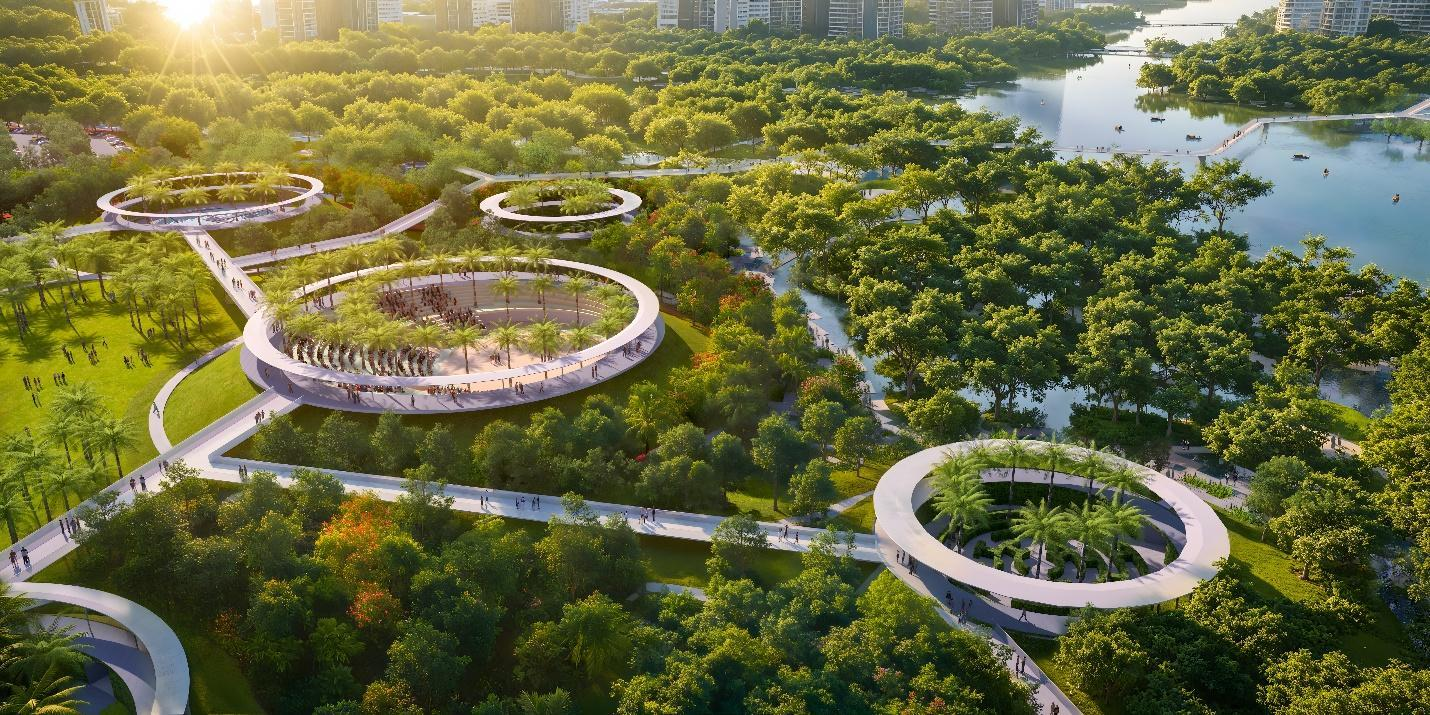
Many people choose wellness real estate to enjoy a balanced and relaxing living space. (Source: Collected)
Growing mid-to-high-end customer segment
The rise of the middle class and high-income customers also contributes to the stronger development of the wellness segment. This customer group tends to prioritize quality of life, private space, and health-serving amenities rather than just focusing on location or area.
Besides the need for actual living, many people also view wellness real estate as a vacation property and a long-term investment suitable for the modern lifestyle trend.
2.4. Buyers prioritize sustainable living environments more than before
Nowadays, homebuyers are increasingly interested in sustainable development factors such as green space, air quality, energy saving, and health-focused amenity ecosystems. These are criteria that are clearly influencing the real estate choices of many customers.
This gives projects oriented towards wellness, green living, and health care a competitive advantage in the market. This is also considered a long-term development trend for real estate in the future.
3. Key Features of Wellness Real Estate
Not just a place to live or vacation, wellness real estate aims to create a living environment that helps residents balance their physical and mental well-being and improve their quality of life. Therefore, wellness projects often possess many design standards and amenities that differ from traditional real estate models.
3.1. Low construction density and abundant green spaces
One of the outstanding features of wellness real estate is the prioritization of low construction density to create a more airy living space and closer to nature. Projects often allocate a large area for greenery, water bodies, parks, or outdoor relaxation areas.
Green living spaces not only help improve the landscape but also bring a sense of relaxation, reduce stress, and enhance the living experience for residents.
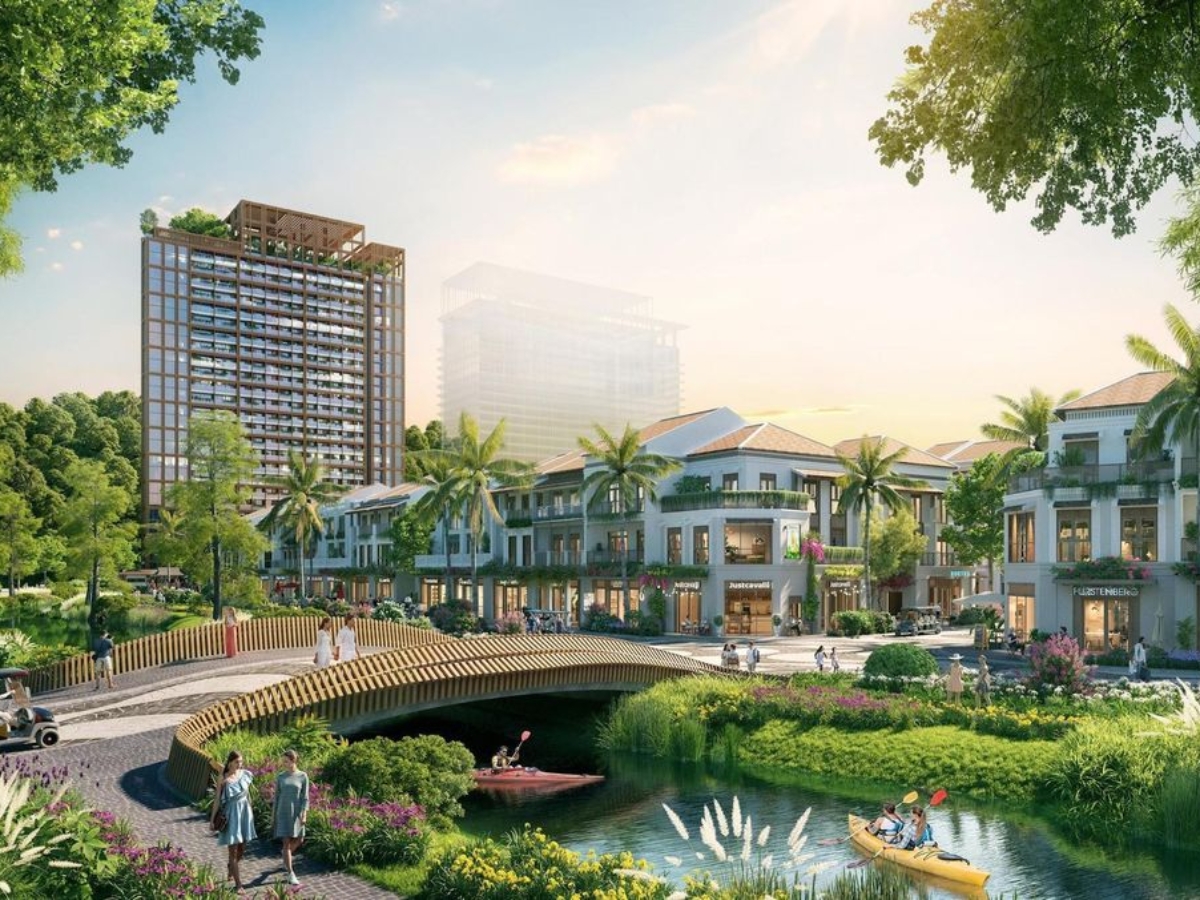
The project has a low construction density and many green spaces. (Source: Collected)
3.2. Comprehensive wellness facilities
Wellness projects often integrate many amenities for health care such as spa, yoga, meditation, gym, detox, sports areas, or spaces for mental recovery. These are amenities that help residents rest and take care of their health right within the project's premises.
Besides physical aspects, many projects also focus on building a balanced living environment and community connection to enhance residents' mental well-being in the long term.
3.3. Optimal design for light, air, and nature
The design of wellness real estate often prioritizes natural ventilation, optimizing natural light, and connection with the surrounding landscape. Open spaces, large balconies, or designs close to nature help improve air quality and create a more relaxing experience for users.
This not only enhances the living experience but also contributes to reducing the feeling of stuffiness commonly found in today's high-density urban areas.
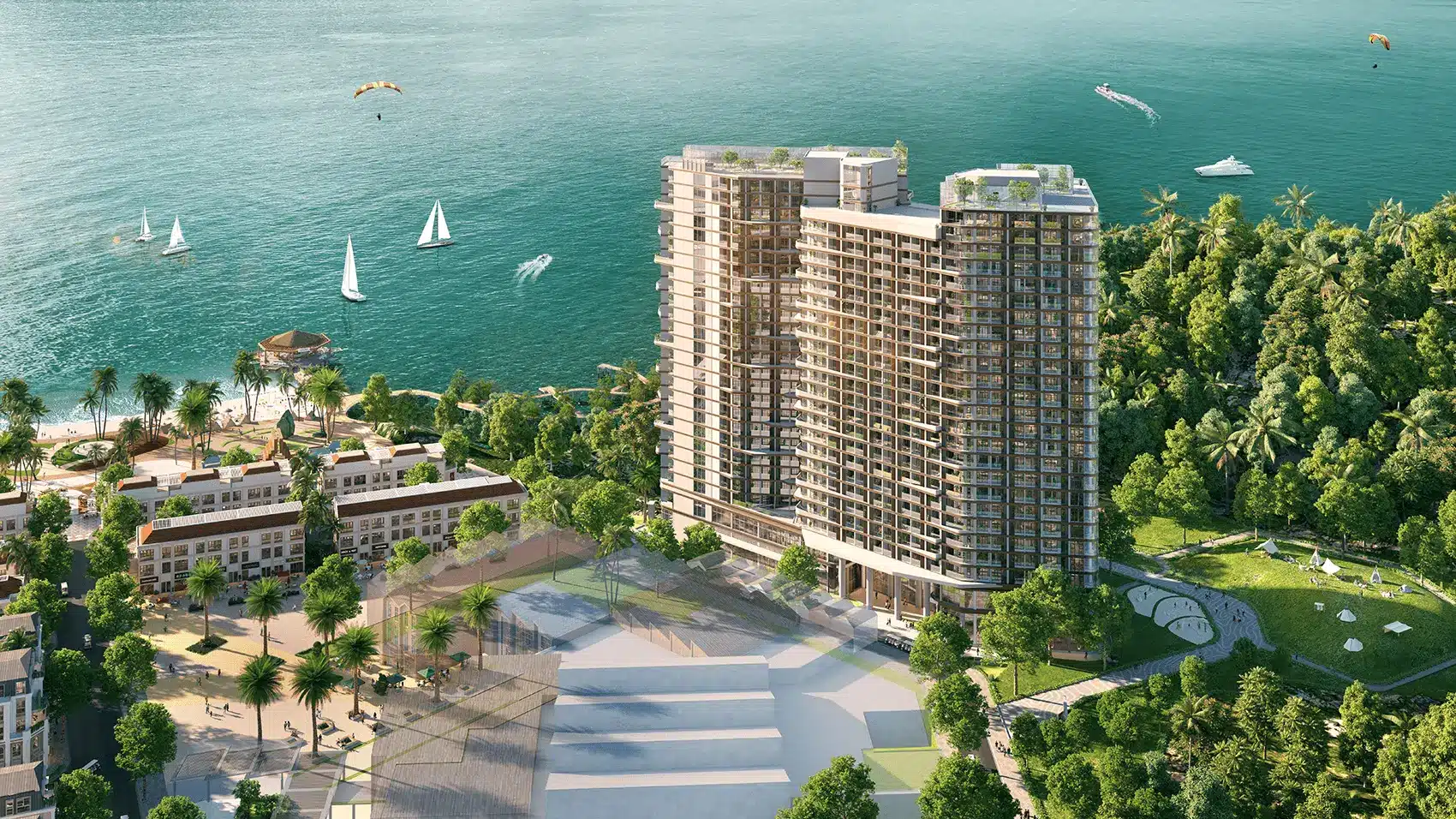
The project is designed in harmony with the surrounding natural environment. (Source: Collected)
Application of smart home technology and environmentally friendly materials
Many current wellness projects also apply smart home technology to enhance the convenient living experience and support more effective living space management. Energy-saving solutions, lighting control, or air quality are also increasingly focused on.
In addition, the use of environmentally friendly materials and a focus on sustainable development are also important criteria for this type of real estate. This is considered a development trend suitable for modern living needs and sustainable future.
4. Popular amenities in the health and wellness real estate model
The major difference of wellness real estate lies in its utility systems designed to enhance the quality of life and support residents' physical and mental well-being. Instead of focusing solely on housing needs, wellness projects often aim to create a more balanced, relaxing, and nature-friendly living environment.
4.1. Parks, jogging tracks, and outdoor sports areas
Green spaces and outdoor activity areas are almost indispensable amenities in wellness projects. Many projects allocate large areas for internal parks, jogging tracks, cycling areas, or sports fields to encourage residents to maintain a healthy lifestyle every day.
Besides the benefits for physical health, these spaces also help residents relax and connect better with nature after the stressful urban pace of life.
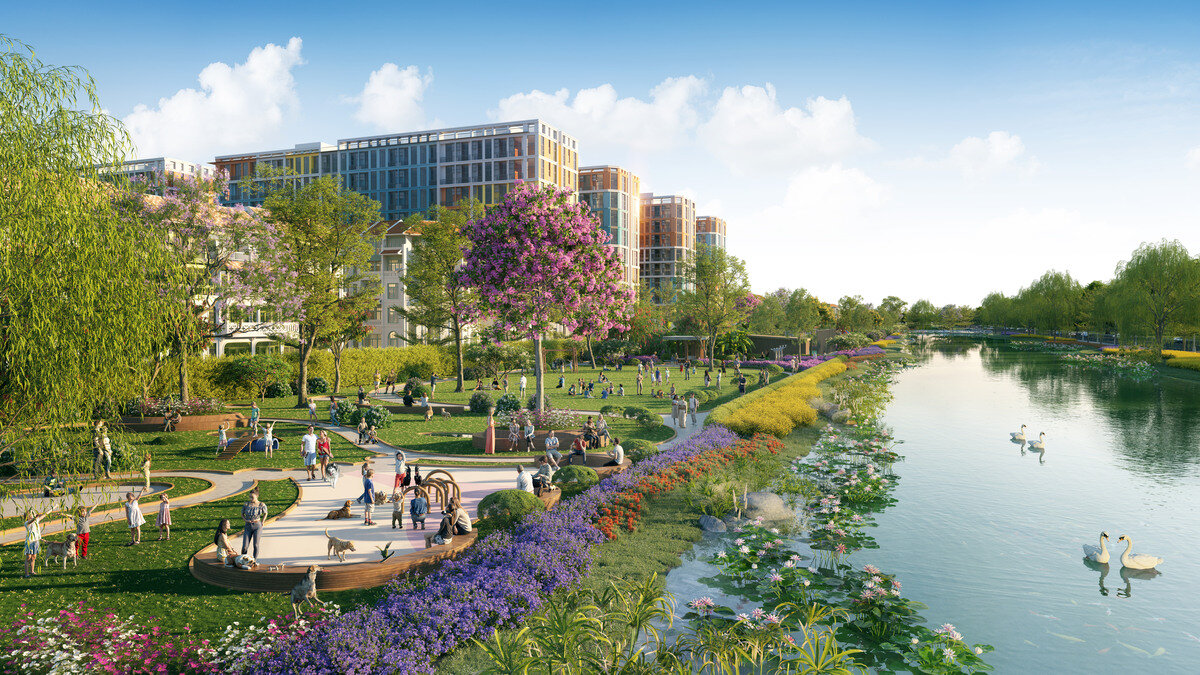
Green park located right within the real estate project. (Source: Collected)
Spa, yoga, and meditation center
Amenities such as spa, yoga, meditation, or detox areas are considered prominent highlights of the wellness real estate model. These are spaces that help residents restore energy, reduce stress, and balance their minds right within the project's premises.
Many current projects also develop specialized therapy or healthcare areas to meet the increasing demand for vacation and relaxation from mid-to-high-end customers.
4.3. Air and clean water filtration system
One of the factors emphasized in wellness real estate is the quality of the living environment. Therefore, many current projects invest in air filtration systems, clean water treatment, or environmental quality control technology to provide a safer and fresher living space for residents.
This is also a criterion that homebuyers are increasingly interested in, amidst increasing air pollution and urbanization pressure in major cities.
4.4. Community Space and Resident Mental Well-being
Besides physical care, many wellness projects also focus on developing community spaces to enhance spiritual experience and resident connection. Common living areas, libraries, relaxation lounges, or spaces for organizing community activities help create a more balanced and cohesive living environment.
This contributes to building a positive lifestyle, reducing stress, and improving long-term quality of life for residents in modern wellness urban areas.
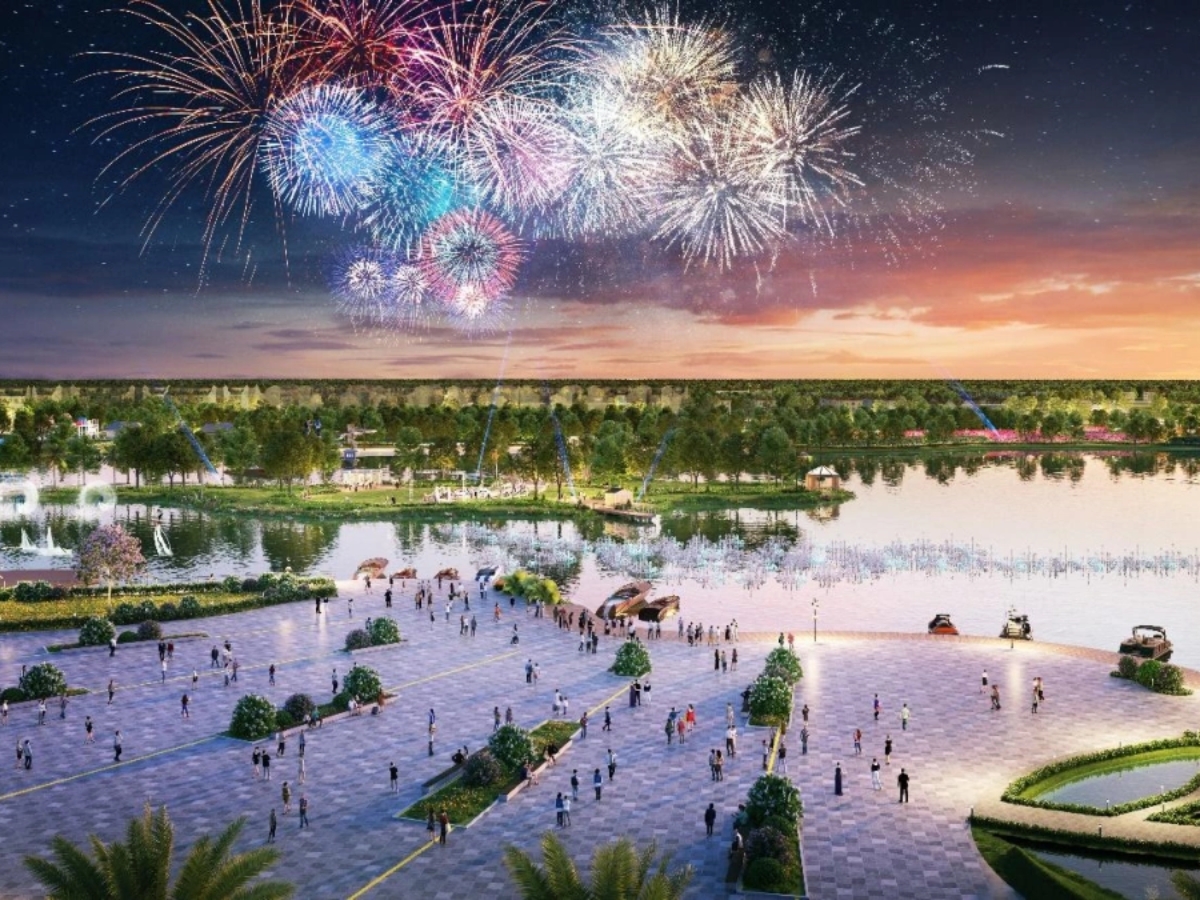
The project has communal spaces that foster community bonding. (Source: Compiled)
5. Recommended wellness real estate projects worth investing in Vietnam
The development of green living and healthcare trends is driving many investors to focus on developing wellness projects in Vietnam. These projects not only emphasize quality living spaces but also aim for resort experiences, physical recovery, and mental balance for residents.
Standing out among them is Charmora City with the pioneering Sponge City urban model in Vietnam, aiming for the ability to absorb, store, and reuse water to adapt to climate change. The project is planned with a system of natural therapy parks, riverside parks, and large green spaces, in line with the modern wellness real estate trend.
Besides that, Xanh Island is also an outstanding project oriented towards ecological resort and green living amidst island nature. The project focuses on developing landscapes, open spaces, and coastal resort ecosystems to provide a more balanced and nature-friendly living experience for residents and visitors.
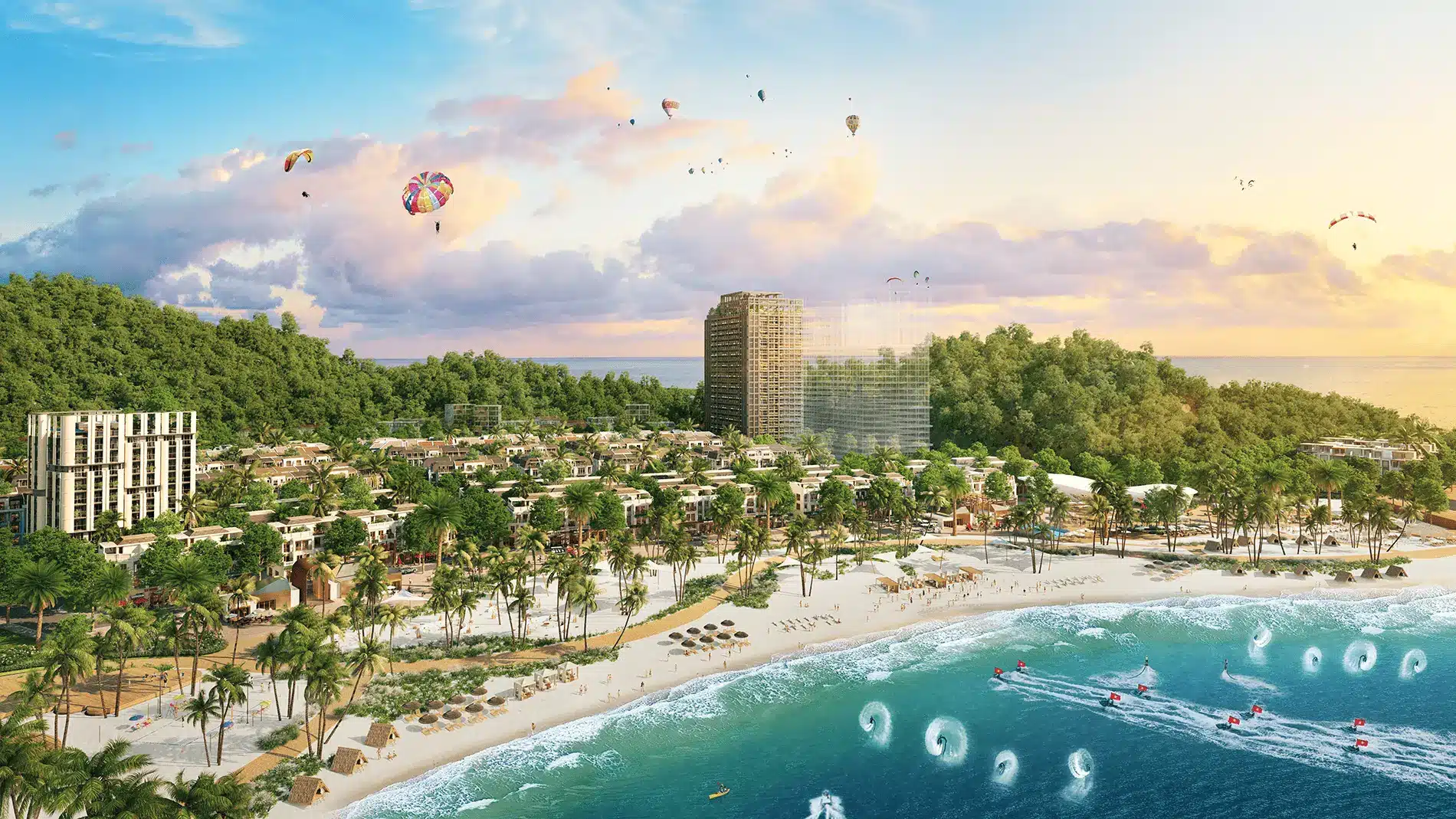
Perspective image of Xanh Island project. (Source: Collected)
Evidently, the trend of developing wellness real estate is increasingly becoming a prominent direction of the modern real estate market as the demand for green living, relaxation, and improving quality of life continues to increase. Not only does it bring a living environment that is more balanced in terms of physical and mental health, but the wellness model also opens up many long-term investment potentials thanks to its ability to meet the current trends of sustainable living and high-quality living experiences for residents.