


What colors are compatible with the Fire Element? Notes on choosing colors that suit your element.
Color selection plays an important role for homeowners. Many people are interested in what colors suit the Fire element to apply to interior design, choosing an apartment, or decorating living spaces to attract luck and prosperity. If you share this concern, check out the article below.

▲Table of Contents
1. The Origin of Energy from the Five Elements Law
1.1. The Identity and Inner Strength of the Fire Element in Nature
The Fire element in the Five Elements represents the element of fire, embodying strong kinetic energy, enthusiasm, and the ability to spread in living environments as well as daily life. This element is also associated with characteristics of growth, transformation, and explosion, reflecting the continuous changes in living spaces and the human mental state over time.
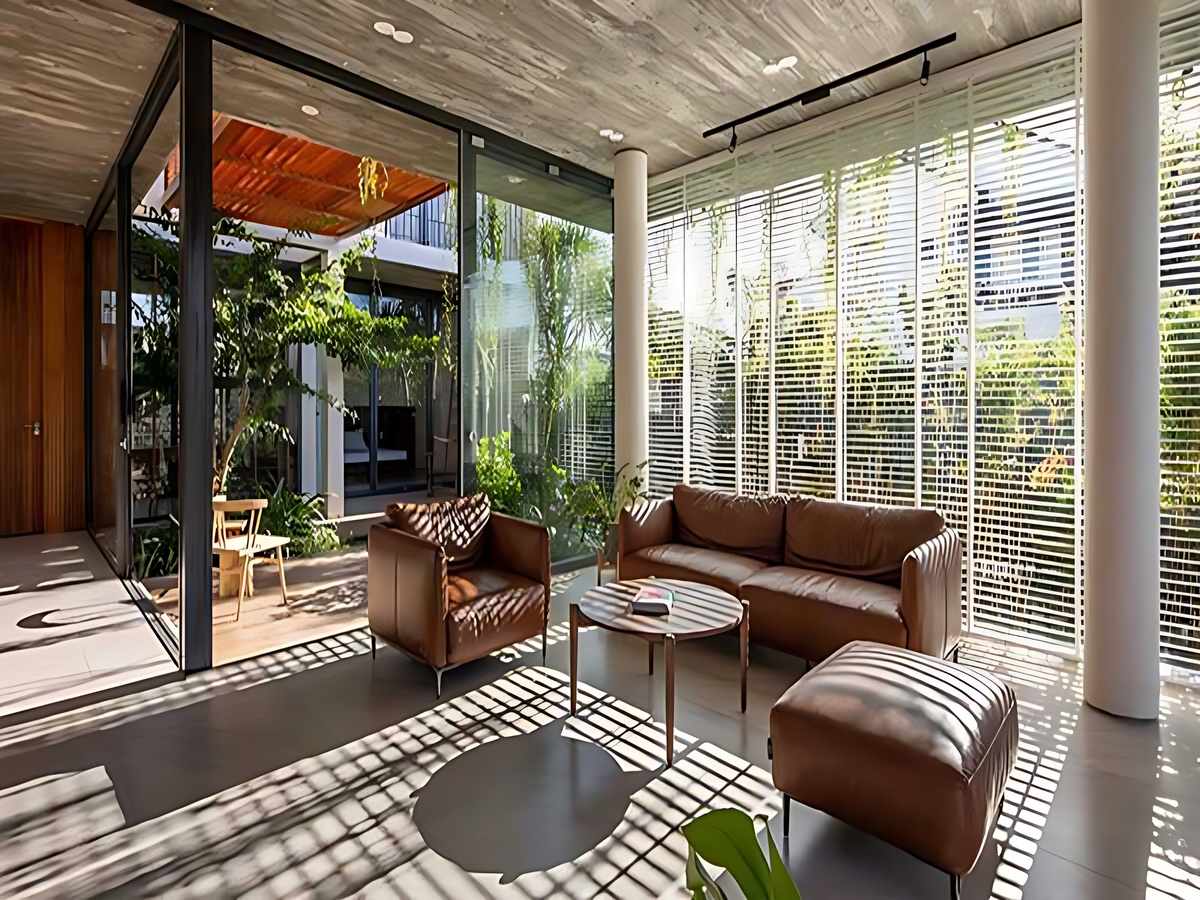
Bright open space expresses the strong energy characteristic of the Hoa element. (Source: Collected)
In Feng Shui, the Fire element clearly affects personality, as people belonging to this element tend to be dynamic, proactive, and easily express emotions in various situations. Determining what colors suit the Fire element helps guide the choice of suitable colors, thereby contributing to balancing energy and maintaining harmony in the overall living space.
The Fire Element is also associated with creativity and innovation, often suitable for spaces that are open, well-lit, and highly connected to the surrounding environment. The combination of this characteristic and feng shui colors forms an important foundation in home design. Specifically, according to the Housing Law, standards for sustainable design and green spaces are prioritized, helping people of the Fire Element (Menh Hoa) easily optimize energy through reasonable and harmonious living space arrangements.
1.2. The operating mechanism of energy flow through the principles of mutual generation and mutual restraint
The Five Elements operate based on the laws of mutual generation and mutual overcoming, where Wood generates Fire, reflecting a supportive relationship as plants are the source that nourishes and sustains the flame for stable growth. Simultaneously, Fire generates Earth, reflecting the process of energy transformation from fire to soil, creating a continuous cycle in feng shui.
Conversely, Water overcomes Fire because water can extinguish fire, creating an opposing relationship that needs to be considered when choosing colors in living spaces. This makes the application of colors not only aesthetic but also related to the overall energy balance of the house.
When applied in practice, this principle helps to clearly identify mutually supportive and compatible color groups, and color groups to be limited in interior design or real estate selection. Understanding what colors suit the Fire element according to the Five Elements theory helps to limit conflicts and create a stable foundation for long-term living environments.
2. Decoding Colors Suitable for People with the Fire Element According to Feng Shui
2.1. Color Palette Complementary to the Fire Element
The color group compatible with the Fire element includes red, orange, pink, and purple, these are the colors that directly represent the Fire element and often appear in home interior design. These colors are characterized by energy, enthusiasm, and the ability to create a distinct accent in the overall architecture.
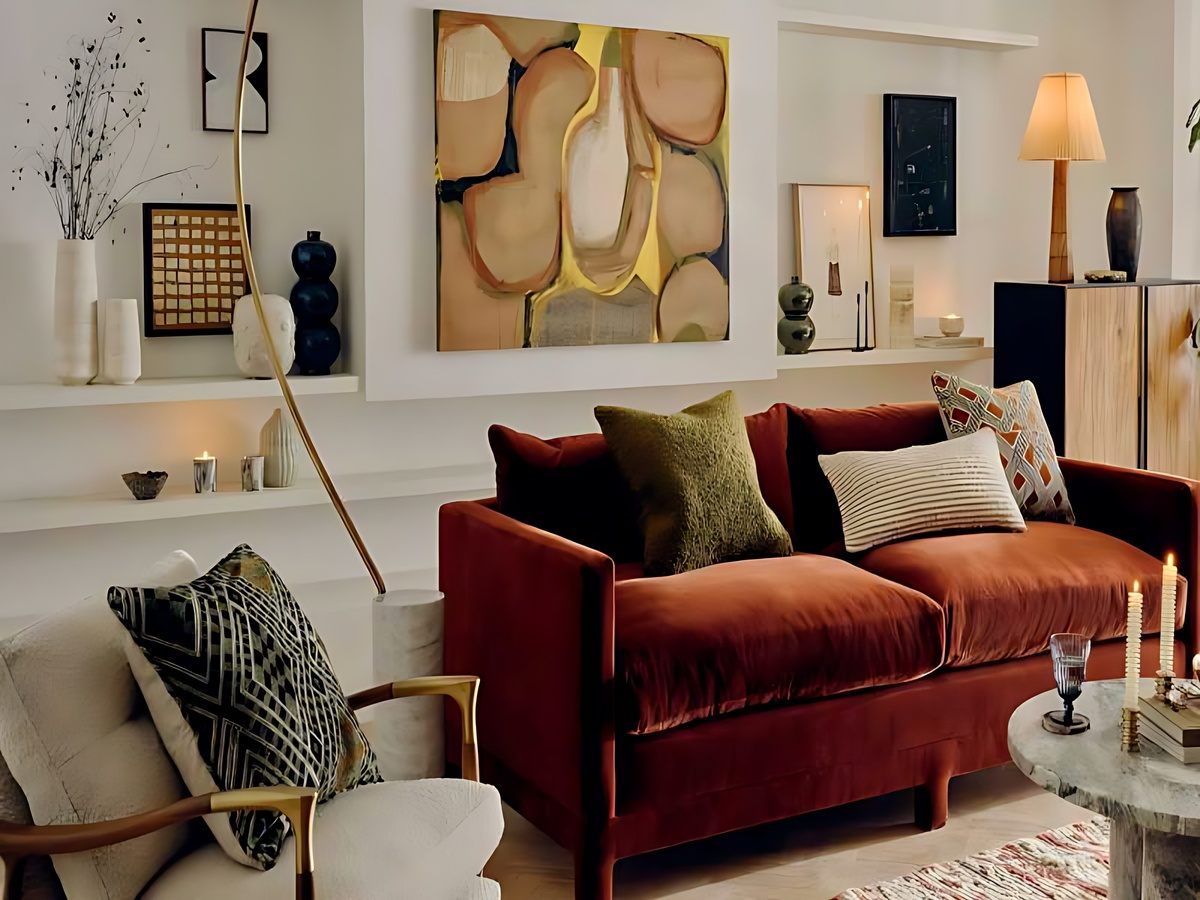
Red, orange, pink, purple create a warm accent for the space. (Source: Collected)
In reality, these color palettes are often used as accents rather than as the main color to avoid causing a feeling of heat or visual pressure in living spaces. Determining what colors suit the Fire element within compatible groups helps maintain feng shui consistency and supports energy balance in homes.
Besides, colors belonging to the Fire element also contribute to creating a warm feeling and increasing connectivity in common living spaces such as living rooms or kitchens. This makes compatible color groups often chosen to create accents in personalized designs.
2.2. Supporting tones from the Wood element bring positive energy
The green color, belonging to the Wood element, is a color group that mutually generates with the Fire element, as Wood plays a role in nurturing and supporting the development of Fire according to the Five Elements theory. This color palette brings a sense of freshness, balance, and helps regulate the inherent strength of the Fire element in living spaces. In home design, green is often applied through green plants, wood materials, or decorative details to increase connection with nature.
When determining what colors suit the Fire element, it is important to understand that mutually supportive colors are usually preferred to support stable development and maintain positive energy. Additionally, green also helps to reduce the hot feeling of colors belonging to the Fire element, thereby creating visual balance in the overall interior. The flexible combination of green and warm colors enhances the living experience in a modern space.
2.3. Colors that need to be moderated to avoid conflict
The colors blue and black belonging to the Water element are often considered a group of colors to be limited for people with the Fire element due to the clashing nature within the Five Elements. These color palettes can diminish energy and affect the overall perception of the living space.
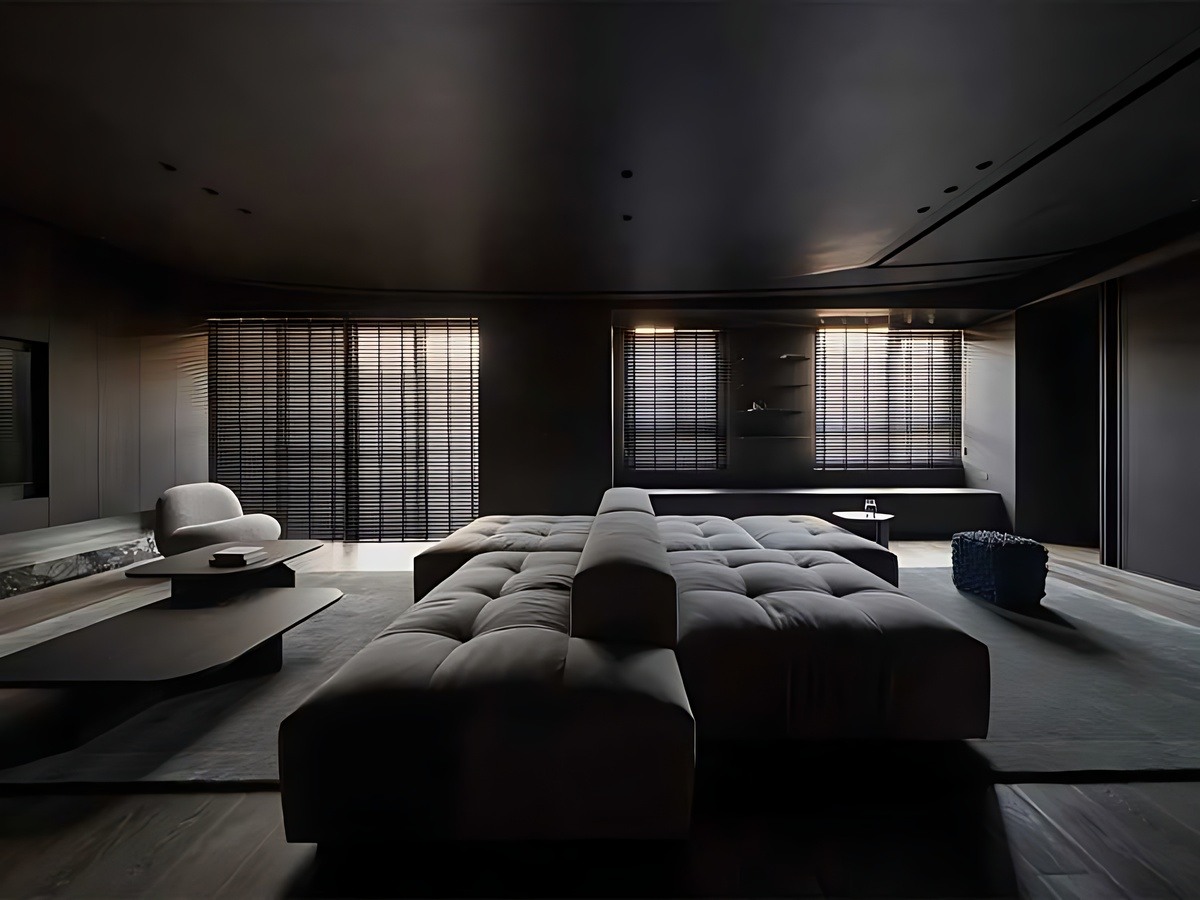
Blue, black colors should be limited to avoid clashing with the Fire element. (Source: Collected)
In reality, clashing colors are not completely eliminated but need to be adjusted reasonably to avoid causing feng shui imbalance. When considering what colors suit the Fire element, it is important to remember that controlling this color group plays a crucial role in maintaining energy stability.
Additionally, some colors belonging to the Metal element, such as white or gray, also need to be used appropriately due to their interaction with Fire in the five elements theory. This indicates that color selection needs to be considered holistically rather than based on a single factor.
2.4. Principles of balanced color coordination in practice
In reality, color coordination should be based on the principle of balancing the warm colors of the Fire element with neutral tones to create visual harmony. Neutral colors such as beige, light brown, or white are often used as a base to reduce the glare of strong colors.
Additionally, the reasonable allocation of colors in proportion to primary colors, secondary colors, and accents helps the space become pleasant and suitable for practical use. When determining what colors are suitable for the Fire element, it is important to note that reasonable color coordination contributes to creating a balance between feng shui and practicality.
3. Color application strategies in real estate
3.1. Guidance on color selection when buying a house or apartment
When choosing a house or apartment, paint colors and interior design are factors that need to be considered to ensure suitability with the homeowner's destiny and the overall architecture. Colors belonging to the Fire or Wood elements are often prioritized to create a harmonious living space and stabilize energy. Choosing appropriate colors also helps improve the perception of space and increase connectivity between functional areas in the home.
In that context, determining what colors suit the Fire element plays an important role in the real estate appraisal process. Synchronizing colors from exterior to interior also helps enhance overall aesthetics and create a unique mark for the living space. This contributes to enhancing the experience and attractiveness in real estate transactions.
3.2. Application of colors in interior design according to Feng Shui
In interior design, colors are allocated to specific areas such as living rooms and bedrooms to ensure overall harmony and functional suitability. Color palettes belonging to the Fire and Wood elements can be flexibly combined to create accents while maintaining balance. Besides colors, materials and lighting also play important roles in adjusting spatial perception and supporting Feng Shui.
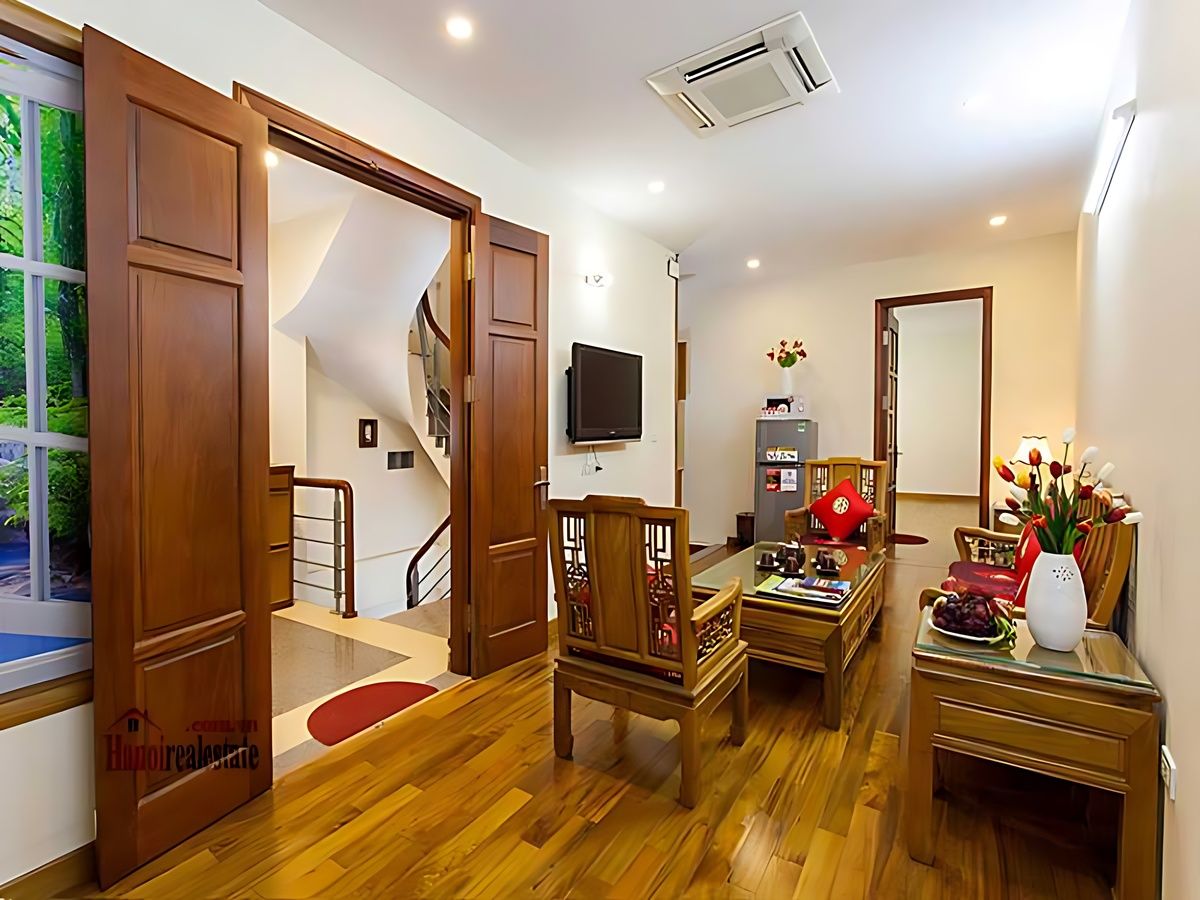
Harmonious interior color scheme for the Fire element combined with material lighting. (Source: Collected)
When implementing the design, understanding what colors suit the Fire element helps guide the interior layout reasonably and consistently. The use of wood materials, greenery, or decorative stones also contributes to increasing the Wood element, thereby supporting the Fire element in the living space. This combination helps create a balanced living environment that aligns with modern design trends.
3.3. The influence of color on property value and living experience
Spaces designed in accordance with Feng Shui often bring a comfortable feeling and contribute to enhancing the long-term usability value of real estate. Colors also affect the buyer's psychology when evaluating the overall living space. Current trends show that Feng Shui elements combined with aesthetics are increasingly being paid attention to in the design and selection of housing.
Understanding what colors suit the Fire element enhances living experience and aligns with Vietnam Green Building 2026 standards. A space with harmonious colors not only improves emotions but also saves lighting and cooling energy as stipulated in the National Technical Regulation on Energy-Efficient Buildings (QCVN 09:2017/BXD). This contributes to improving living quality and the sustainable commercial value of real estate.
4. Points to consider when using Feng Shui colors for those with the Fire element
4.1. Avoid overusing high-intensity colors
Using too many warm colors can make a space feel heavy and create a feeling of heat during daily life. This is especially evident in enclosed spaces, where colors directly affect visual perception. Therefore, it is necessary to adjust the color ratio appropriately to ensure a balance between feng shui and practical experience. Additionally, restraining colors helps maintain a stable living environment.
4.2. Adjusting colors according to light and space area
Natural light is a key factor in regulating the hue in living spaces, while also subtly highlighting interior lines. When light is utilized properly, the warm colors characteristic of the Fire element will become more harmonious, avoiding a cramped or overly glaring feeling. Furthermore, logical space planning helps optimize the area and brings a sense of spaciousness to the overall home.
4.3. Flexible combination with modern design trends
The combination of feng shui and design trends helps living spaces both ensure spiritual elements and comply with fire prevention and fighting safety regulations according to Circular 06/2022/TT-BXD and its amendments in 2024. The coordination of complementary colors combined with modern fire-resistant materials creates sustainable value and ensures the highest legal compliance for real estate in 2026.
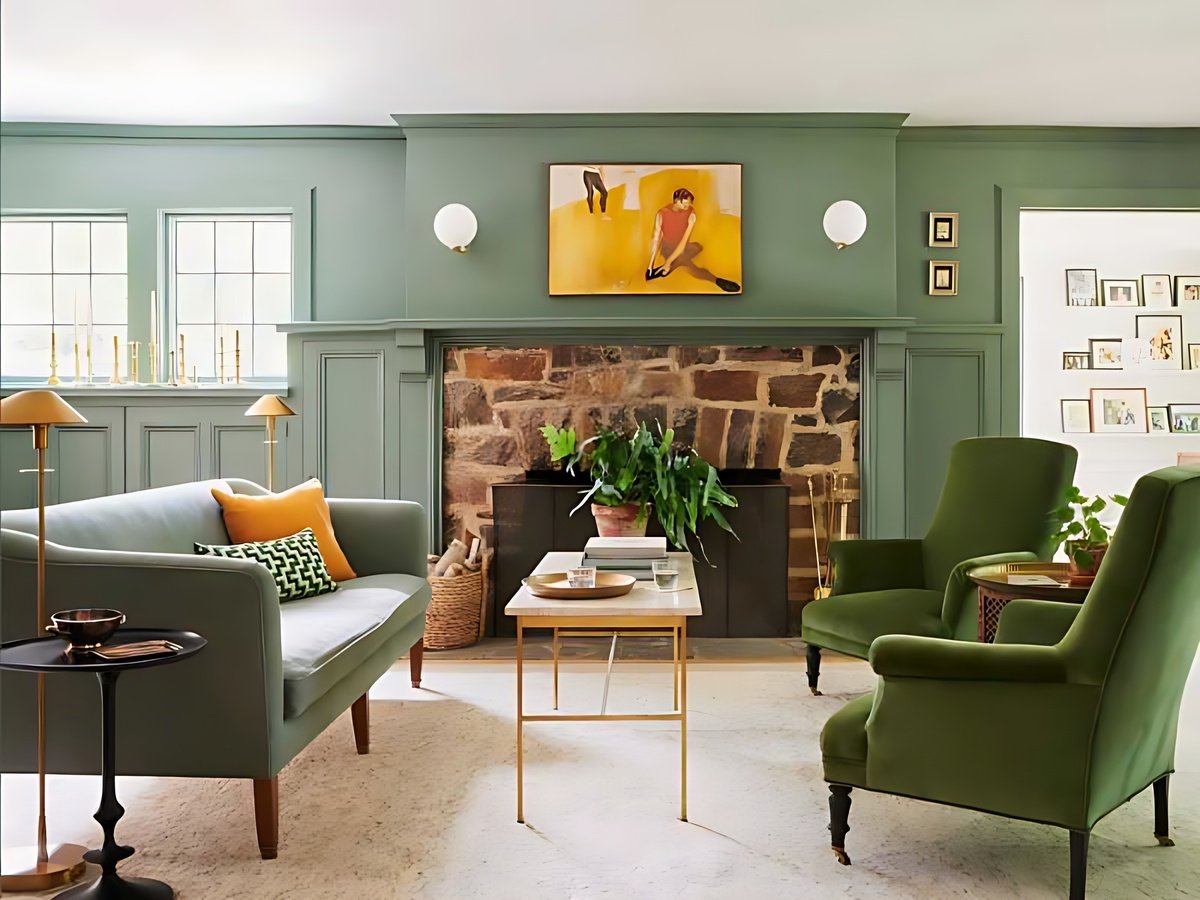
Feng Shui combines modern trends to create a harmonious living space. (Source: Collected)
It can be affirmed that understanding clearly what colors suit the Fire element will help you effectively apply it to your living space and choose suitable real estate. When you know how to coordinate colors reasonably, it not only enhances aesthetics but also contributes to creating a harmonious and positive living environment.