


What internal amenities does an apartment complex need to enhance the quality of life?
Amidst a plethora of choices in the market, selecting an apartment with an unobstructed view not only impacts your daily living experience but also determines its long-term asset value. A well-ventilated, bright apartment with a wide vista will provide a sense of comfort and simultaneously enhance its liquidity for investment.

▲Table of Contents
1. What Internal Amenities Should an Apartment Building Have in Modern Trends
1.1. What are Internal Amenities in an Apartment Building
Internal amenities in an apartment building are understood as a system of services and infrastructure serving residents directly within the project's scope, including areas for living, security, commerce, and entertainment. Unlike external amenities such as schools, hospitals, or outside shopping centers, internal amenities are more self-contained and highly controlled. In the context of rapid urbanization in major cities, this model helps reduce dependence on public infrastructure. This aligns with the reality where many current projects are planned as miniature urban areas.
The role of internal amenities is not limited to providing services but also contributes to forming a comfortable and stable living environment. As people increasingly prioritize factors like living close by, having sufficient amenities, and saving time, the system of internal amenities becomes an important criterion in choosing housing. The concept of what internal amenities an apartment complex should have is therefore mentioned more often in market reports and project development strategies. This reflects the change in real estate consumption behavior.
1.2. The role of internal amenities for residents
Internal amenities directly affect the daily quality of life of residents by meeting basic living needs. A project with complete amenities will help residents reduce travel time, especially in the context of increasingly pressured urban traffic. Market surveys show that over 60% of homebuyers tend to choose apartments for their convenience in daily life. This indicates that internal amenities have become a deciding factor in home buying behavior.
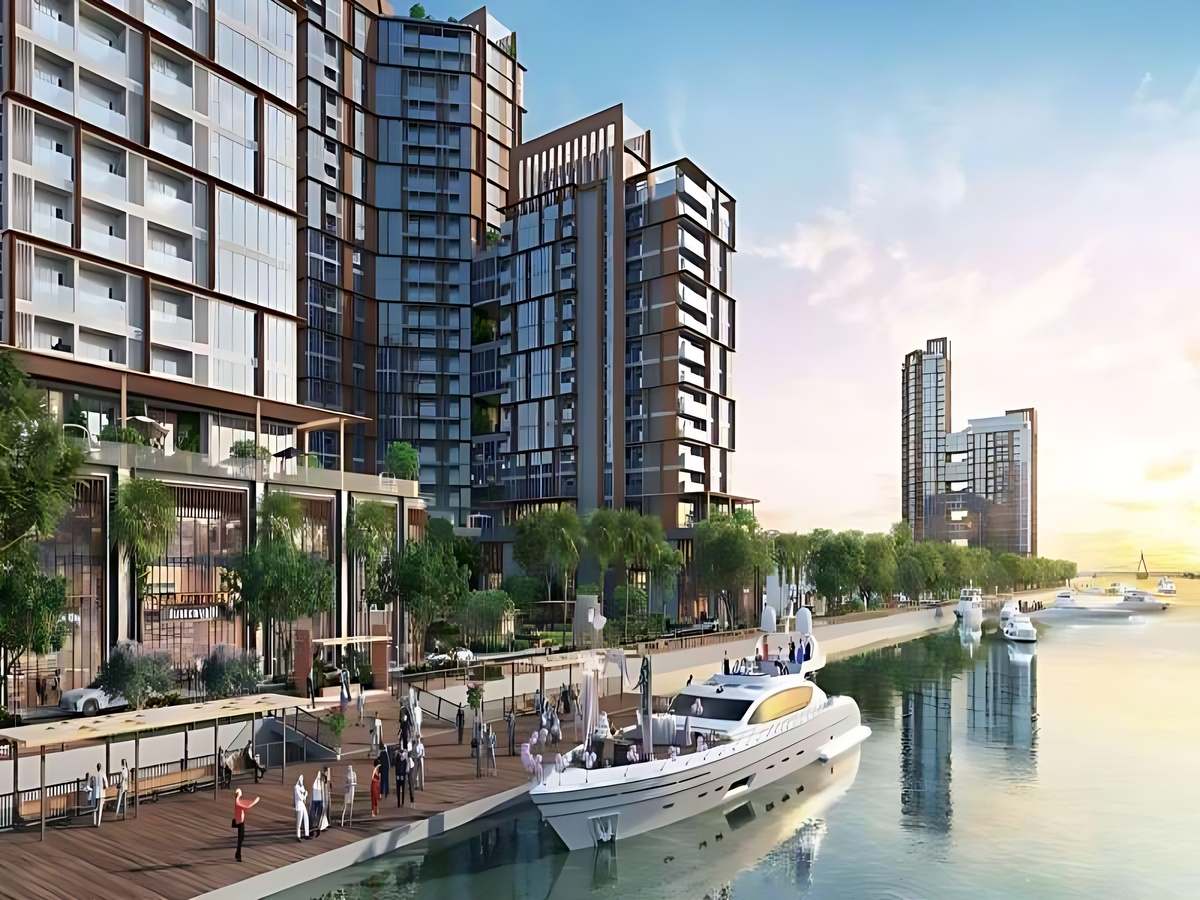
Comprehensive internal amenities enhance living standards and influence home buying decisions. (Source: Collected)
Furthermore, the amenity system impacts residents' physical and mental health through green spaces, sports areas, and community living areas. Living in an environment with full services helps reduce stress and improve the quality of urban life. In the context of apartment prices in major cities like Hanoi and Ho Chi Minh City exceeding 100 million VND/m² in many projects, buyers are increasingly demanding more in terms of accompanying amenities. This makes the role of internal amenities more apparent.
1.3. Current trends in the development of internal amenities
This trend aligns with the strong growth of the middle class in major urban areas, leading to demanding needs for living space quality. According to the provisions of the Housing Law 2023 (No. 27/2023/QH15), the development of current housing projects must be linked with synchronous technical and social infrastructure planning. The demand for convenient living compels investors to focus on the "all-in-one" model, where all needs from learning, working to entertainment are met within the project's premises.
Furthermore, green factors, health, and smart technology are increasingly emphasized in interior design. Modern projects integrate smart management systems, energy saving, and green spaces to create a sustainable living environment. The miniature urban model within high-end condominiums is also becoming popular, allowing residents to access full services without having to travel far. This is one of the main directions for the real estate market in the 2025–2030 period.
2. What internal amenities should condominiums have to meet basic living needs
2.1. Security and access control systems
Security systems are a fundamental factor in evaluating what internal amenities an apartment complex needs, especially in densely populated urban areas. Modern projects often equip 24/7 surveillance cameras in public areas, corridors, and parking lots to ensure safety. Additionally, magnetic card and facial recognition technology help control entry and exit more effectively than traditional methods. This contributes to minimizing security risks in concentrated living environments.
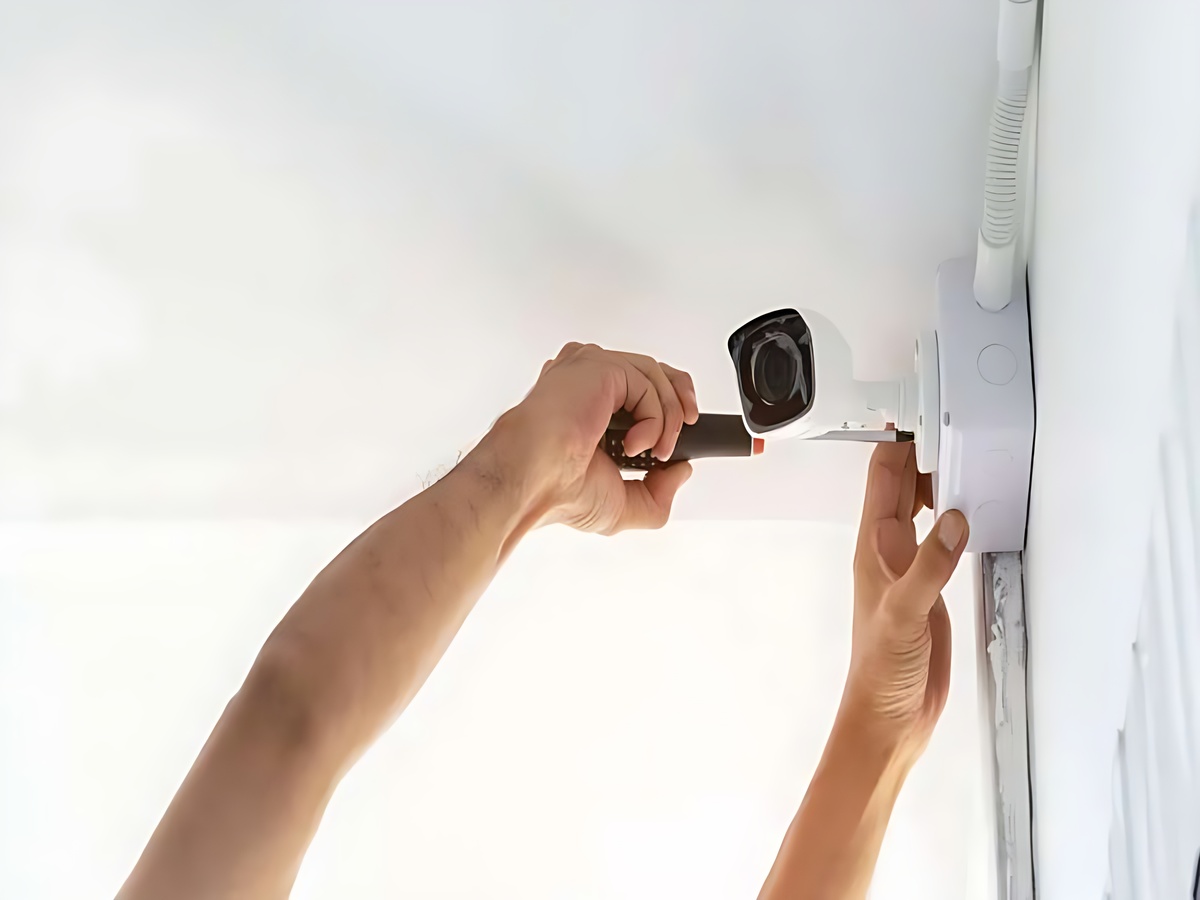
Multi-layered security and modern technology ensure safety, increase project competitiveness. (Source: Compilation)
Besides technology, a multi-layered security system also plays an important role in maintaining internal order. From the main gate, the building lobby to each floor are all controlled to ensure resident safety. In the context of increasingly large-scale apartment projects, investment in security is not just an operational requirement but also a competitive factor among developers. This reflects the change in current urban living standards.
2.2. Smart Parking Area
The current parking area must strictly comply with national technical standards for fire safety for buildings and constructions. Especially, with the popularity of electric vehicles, the internal charging station system must be designed separately and ensure grid electrical safety standards according to the latest guidelines. The systematic investment in parking infrastructure and automatic fire prevention and fighting (PCCC) systems is not only a mandatory legal requirement but also a commitment to protecting the property and lives of residents, contributing to enhancing the overall value of the project.
2.3. Elevator system and building operation
Elevators are essential infrastructure in high-rise buildings, directly affecting the daily living experience. Modern projects often use high-speed elevators, with reasonable zoning between residents and services to reduce waiting times. This is especially important in buildings with high population density. An efficient elevator system helps improve the operational quality of condominiums.
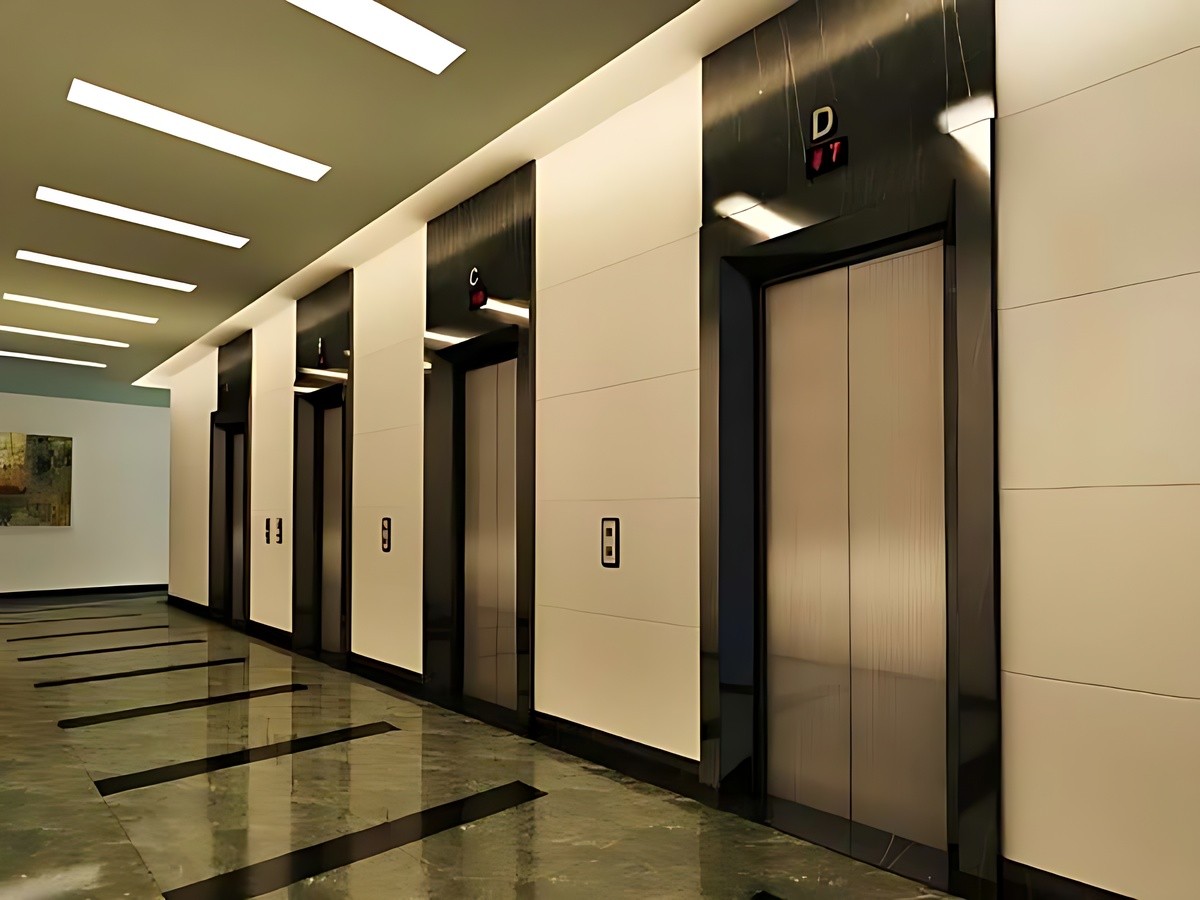
Modern elevator systems and transparent management enhance the quality of apartment building operations. (Source: Collected)
Meticulous building operation is currently a core criterion. According to the Real Estate Business Law 2023 (No. 29/2023/QH15), investors and management units must transparently disclose operating and management costs for common ownership areas. Many projects have applied Building Management System (BMS) technology to optimize electricity and water, and manage elevators using AI, ensuring transparency and cost savings for residents, shaping new living standards in modern apartment complexes.
2.4. Basic community living space
Community living spaces include a reception lobby, common rooms, and lounge areas, playing a role in connecting residents within the same building. These areas help increase interaction, create a communication environment, and foster a community culture within the apartment building. In the context of urbanization, this amenity contributes to improving the quality of life and fostering long-term resident attachment to the project.
3. What internal amenities should an apartment building have to improve the quality of life
3.1. Sports and healthcare area
The sports and wellness area in modern apartments includes a gym, swimming pool, and yoga area to serve residents' training needs. The integration of these amenities helps save travel time and supports maintaining a healthy lifestyle in a crowded urban environment. This trend is becoming increasingly popular as the demand for physical fitness and life balance is gaining more attention.
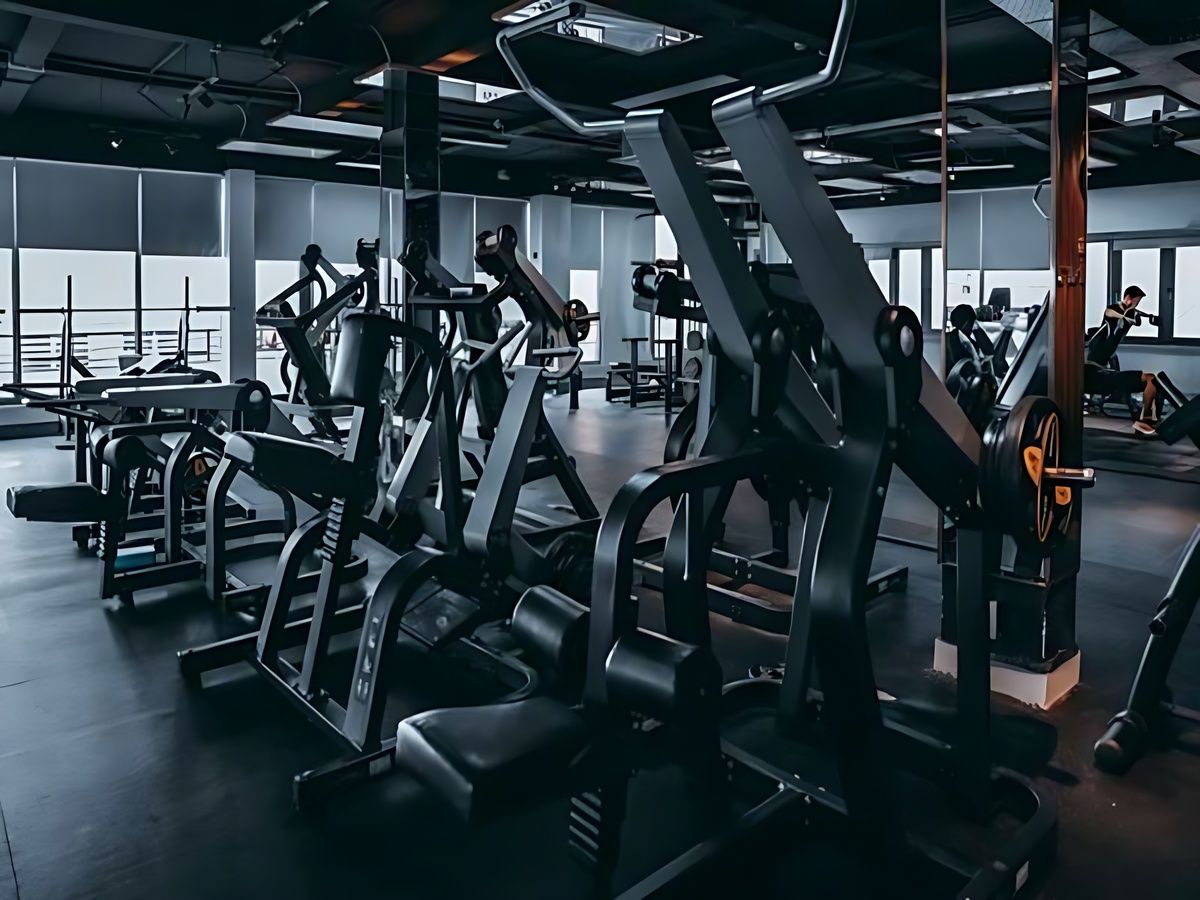
Internal health amenities help save time and maintain a healthy lifestyle. (Source: Collected)
3.2. Green space and internal landscape
Green space is no longer just a decorative element but has become a mandatory indicator for buildings achieving green certification. The arrangement of parks, air-filtering gardens, and walking paths not only helps improve the living environment but also meets construction density standards according to new urban planning. This is a key factor in enhancing living quality and ensuring sustainable asset value against the impact of urban climate change.
3.3. Children's and Family Play Area
The on-site children's play area is designed to ensure safety and suitability for various age groups. This space helps children develop physically, while also creating opportunities for family bonding and increased community interaction. In the context of urbanization, this facility has become an important factor when young families choose their place of residence.
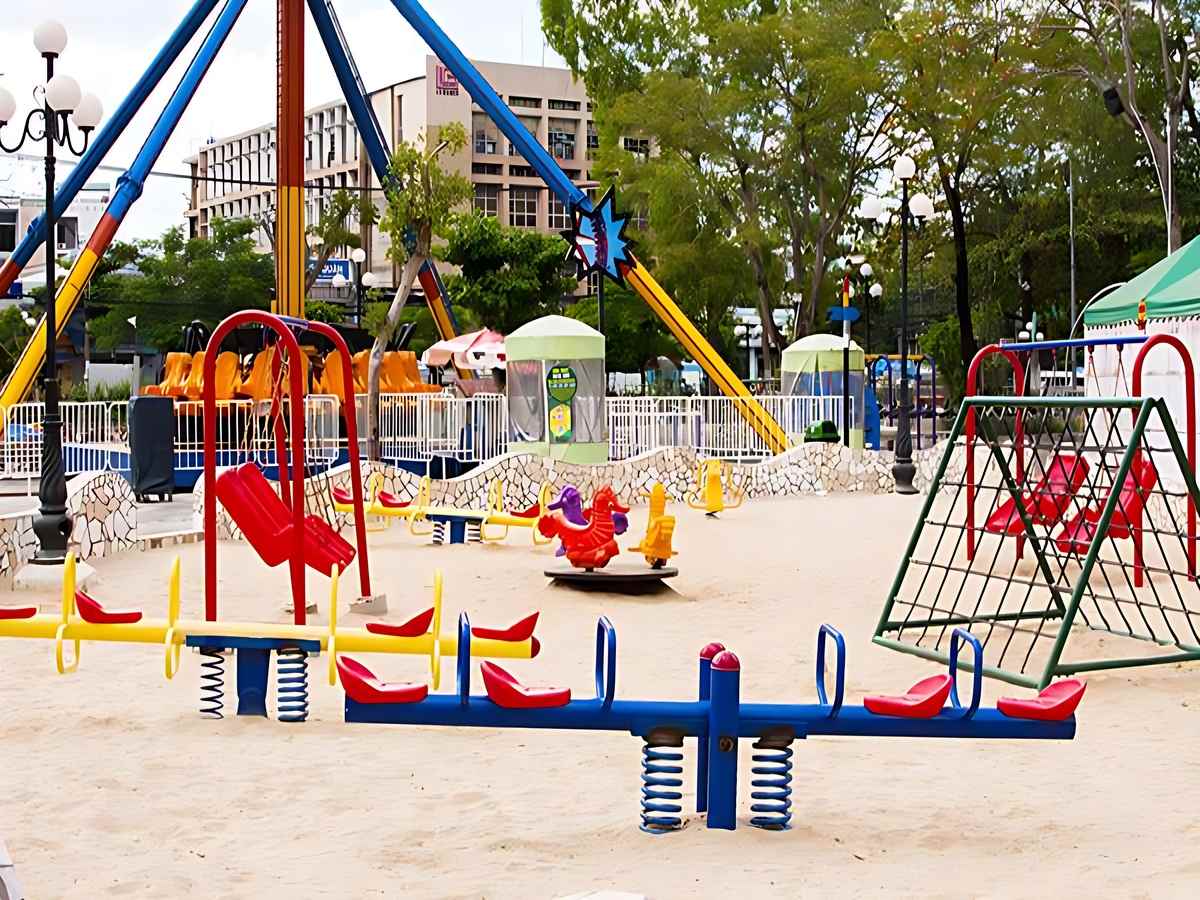
Children's play areas help develop physical fitness and enhance family bonding. (Source: Compilation)
3.4. Commercial amenities and essential services
Internal commercial amenities such as mini-supermarkets, cafes, and restaurants help residents meet their daily living needs. The integration of these essential services brings convenience in the context of a fast-paced urban life. This is also a factor contributing to enhancing the project's utility value and reflects the trend of living in an enclosed community within modern apartment complexes.
3.5. Work and study facilities
Working and studying amenities in apartments include coworking spaces, study rooms, and quiet areas to serve the needs of remote work. The emergence of these amenities reflects the changing trend in how living spaces are organized. Integrating workspaces within the complex helps residents improve productivity and reduce urban commuting pressure.
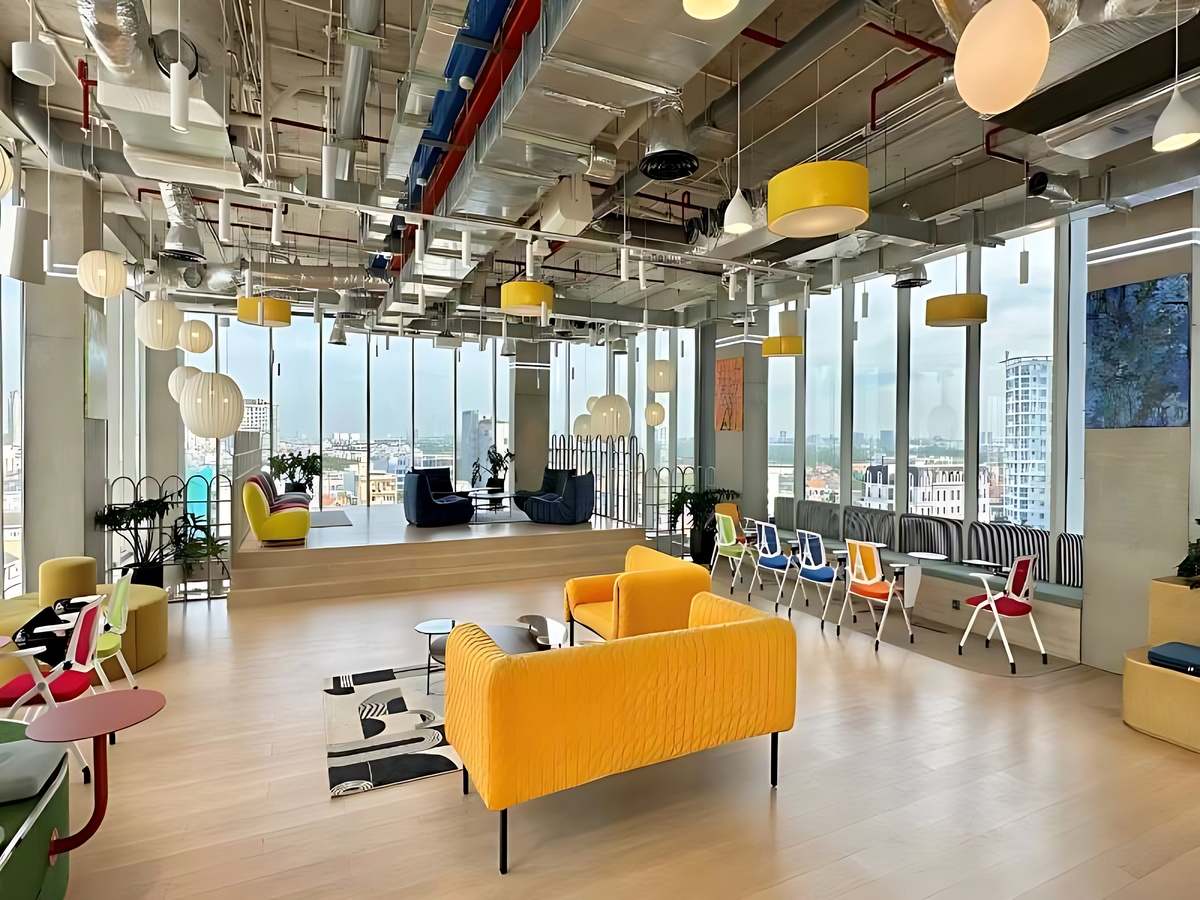
Internal workspace helps increase efficiency and reduce commuting pressure. (Source: Collected)
4. Evaluation criteria for apartment internal amenities to consider when investing
4.1. Completeness and practicality of amenities
The completeness and practicality of amenities are important criteria when evaluating an apartment project. Many projects may promote diverse amenities but they are not suitable for the actual needs of residents. Considering the frequency of use and suitability helps determine the real value of amenities in today's competitive market.
4.2. Quality of operation and maintenance of amenities
The quality of operation and maintenance directly affects the long-term user experience of residents in the apartment building. If an amenity system is not regularly maintained, it will quickly degrade and reduce the project's value. Maintaining stable facilities along with a professional management team helps ensure operational efficiency and enhance resident satisfaction.
4.3. The relationship between amenities and real estate value
Internal amenities are closely related to real estate value. According to new regulations on housing handover, the amenity system must be completed in line with project progress to ensure buyers' rights. Projects with "real" and well-operating amenity systems usually have the potential for stable price appreciation and high market liquidity. In the context of buyers becoming increasingly legally aware, projects with synchronized amenities and transparent legal status are the safest and most effective investment choices.
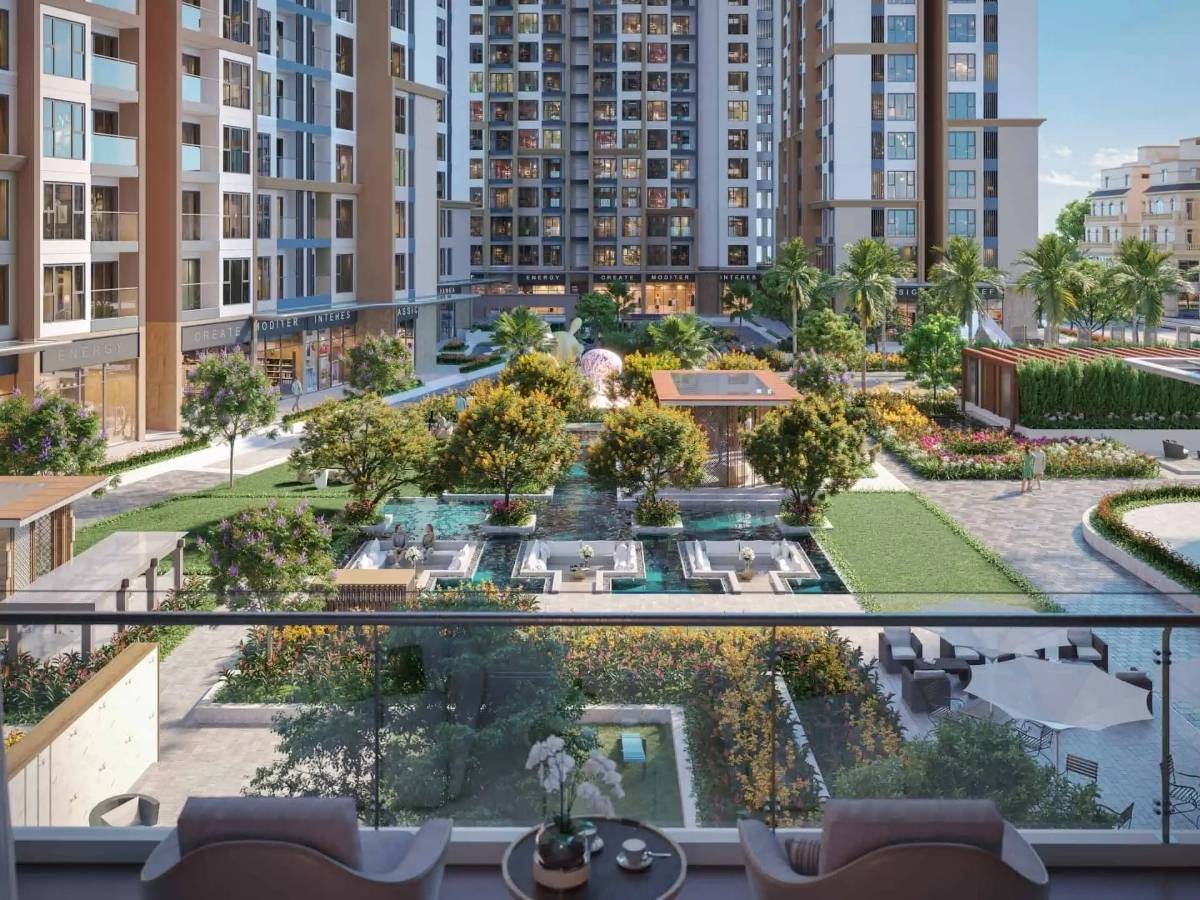
Integrated amenities enhance value and ensure real estate liquidity. (Source: Collected)
What internal amenities should an apartment complex have? is not just a question when buying a home, but also a factor determining long-term quality of life. A project with a full system of amenities, well-operated, and suitable for actual needs will bring sustainable value in terms of both living experience and investment potential.