


What is a completion certificate and what is the procedure when building a house?
After finishing construction, many homeowners are still unclear about what 'hoan cong' (completion of construction) is and the procedures for legalizing their property. This is an important step that helps update housing information on legal documents, ensuring ownership rights and avoiding future risks. Here is some related information for you to understand better.

▲Table of Contents

What is Construction Completion and Registration and what is the procedure when building a house?
Learn the details of what Construction Completion and Registration is and its procedure, the required documents, the implementation process, and important notes to help homeowners avoid legal errors.
After finishing building a house, many homeowners are still unclear about what is completion of construction and how is the procedure to legalize the property. This is an important step to update housing information on legal documents, ensure ownership rights, and avoid future risks. Here is some related information for you to understand better.
1. Completion of construction in construction law
1.1. Definition of completion of construction in housing construction
In the construction sector, completion acceptance is understood as an acceptance procedure to confirm that the work has been completed in accordance with the issued construction permit and is eligible for use. This is the final step in the construction process, reflecting that the construction has been completed and has been practically inspected by the competent authorities in accordance with legal regulations.
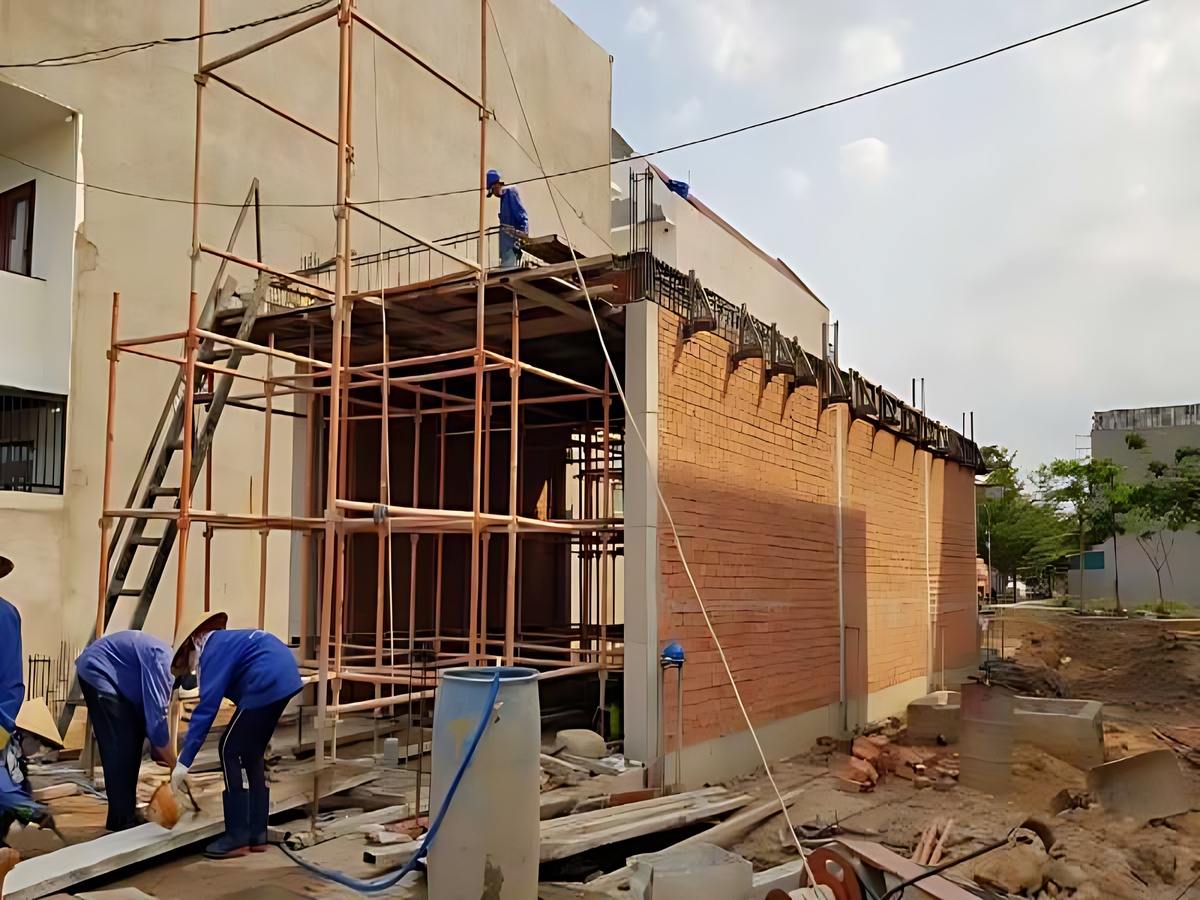
Completion is the procedure to confirm a constructed work has been completed. (Source: Collected)
Completion also demonstrates the conformity between the current state of the work and the initial design documents, helping to confirm the quality and the degree of compliance with technical standards during the construction process. Through this, management agencies have a basis to control construction order and accurately update information about the work into the land records.
1.2. The significance of completion for home ownership
In legal practice, the completion of construction is an important link to legalize assets according to the Housing Law 2023 (No. 27/2023/QH15). This is the basis for state agencies to issue an "exchange" of old books for the new Land Use Rights Certificate, Ownership of Property Attached to Land (applicable from 2025). If construction is not completed, the house, even if solidly built, will still be considered an "unrecognized asset", causing difficulties in gifting, inheritance, or using it as collateral at the bank.
According to the Land Law 2024 (Law No. 31/2024/QH15), construction completion is a prerequisite for carrying out the procedure of registering changes and recording assets attached to land in the Certificate of Land Use Rights and Ownership of Assets Attached to Land. This not only establishes legal ownership but also serves as a basis for accurate asset valuation when the state reclaims land or when other property rights are exercised, helping to maximize the homeowner's economic benefits.
Furthermore, the completion of construction (hoan cong) directly affects transactions such as buying, selling, transferring, or mortgaging, because houses that have not completed construction (hoan cong) often face legal limitations when carrying out these procedures. This also contributes to limiting disputes and ensuring transparency in real estate management in each locality.
1.3. Cases Requiring Construction Completion
When learning about what construction completion (hoan cong) is and its procedures, it can be seen that most newly built constructions fall under the category requiring the construction completion procedure according to regulations. Common cases include new construction of houses, civil works, or projects that have been granted a construction permit.
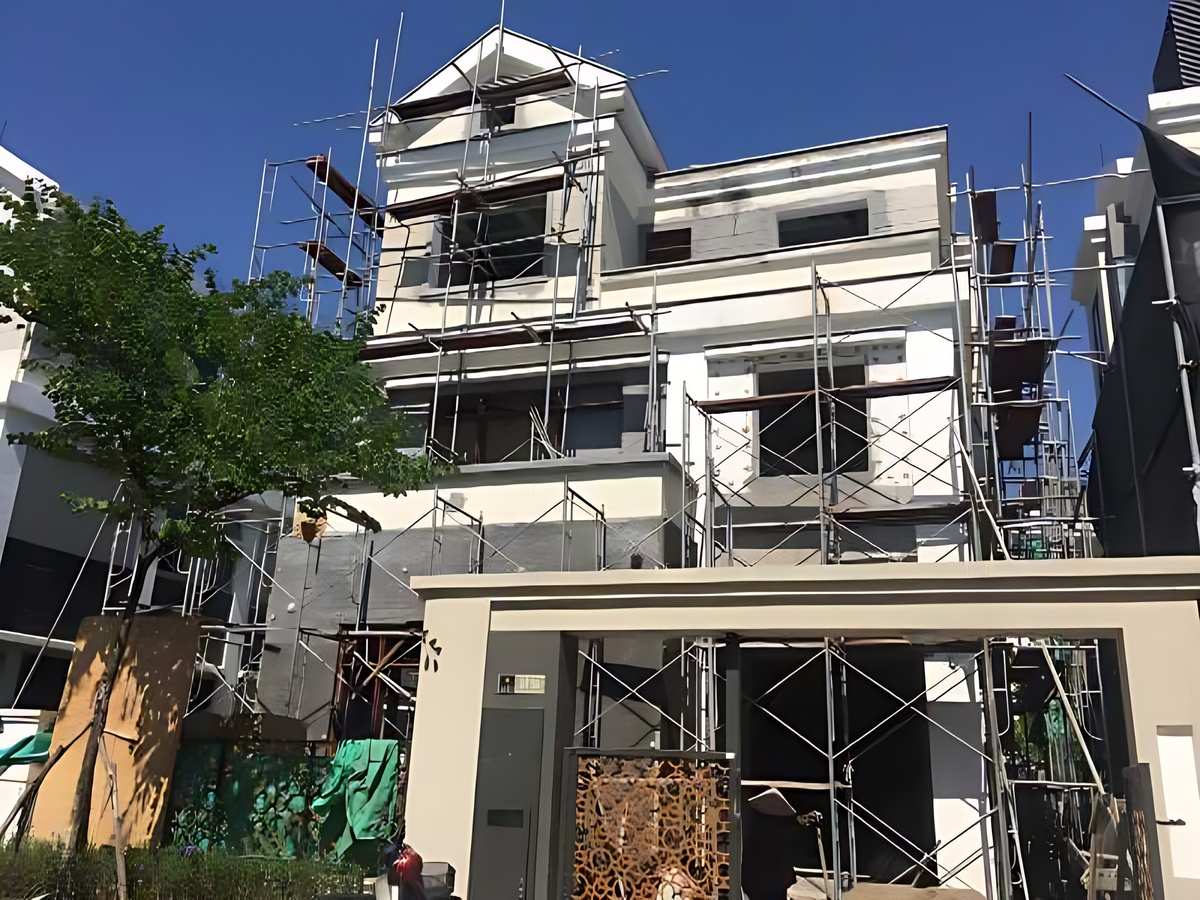
All new construction and renovation projects must undergo completion acceptance according to regulations. (Source: Collected)
Additionally, renovation, upgrading, or structural modification activities of a construction also require completion acceptance if they alter the current state compared to the original records. This helps management agencies control the construction process and ensures all changes are legally recorded in the land records.
2. Completion Acceptance Dossier and Documents to Prepare
2.1. Components of the Completion Acceptance Dossier According to Regulations
During the completion acceptance process, the completion acceptance dossier serves as the basis for functional agencies to inspect and confirm the construction. The dossier typically includes the construction permit, construction contract, land use rights documents, and other documents related to the construction process.
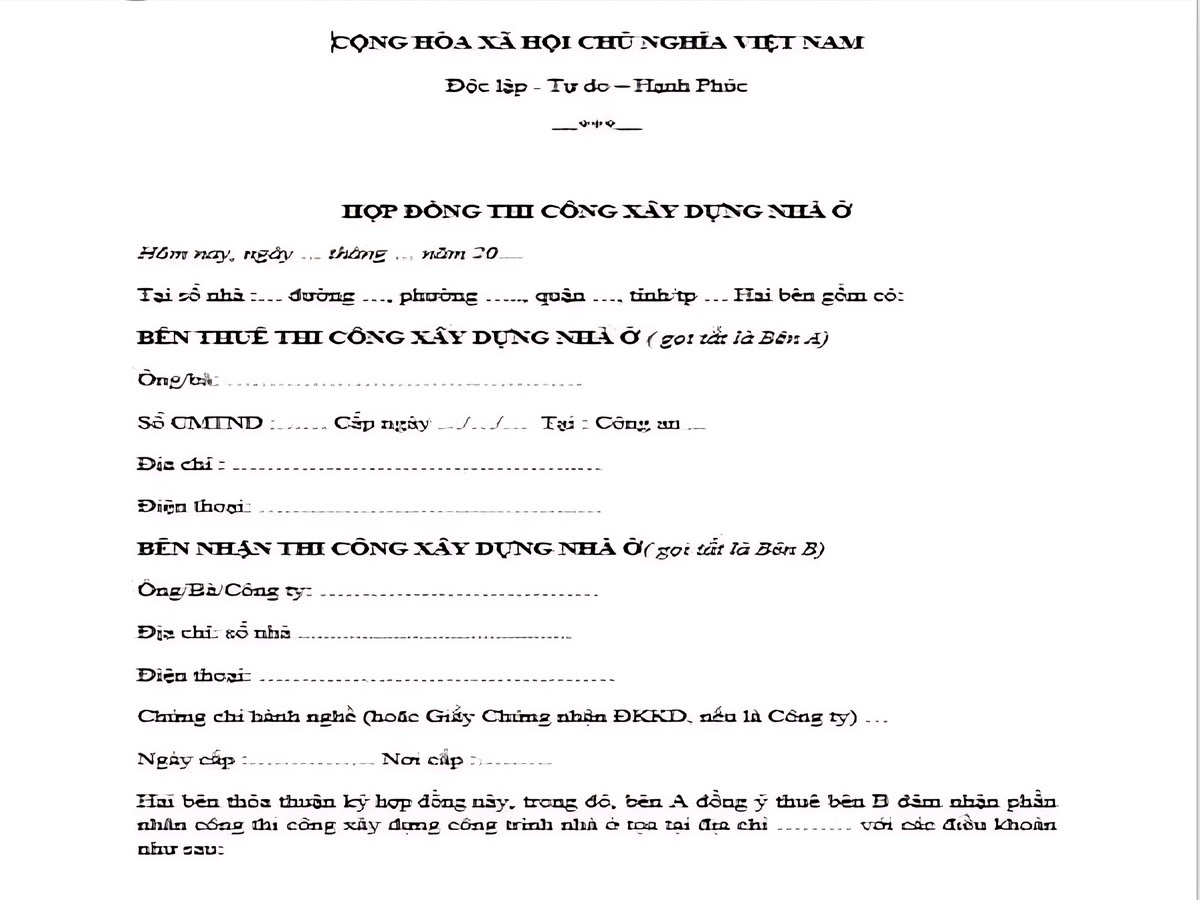
As-built documentation includes permits, drawings, and acceptance reports. (Source: Collected)
Additionally, the dossier also needs to include as-built drawings, acceptance reports, and technical documents to prove that the construction was carried out according to the design and meets quality requirements. The thorough preparation of these documents helps the review process proceed smoothly and limits the need for multiple resubmissions.
2.2. The role of as-built drawings in the dossier
When researching what is completion of construction and what are the procedures, it is easy to realize that the completion drawing is a document that accurately reflects the actual state of the work after construction. This serves as a basis for comparison with the original design and to determine the extent of changes during the construction process. The completion drawing fully shows the dimensions, structure, and actual items, helping authorities check the compliance of the work with legal regulations. At the same time, this document also serves for the management, repair, or renovation of the work in the future.
2.3. Notes when preparing completion documents
During the implementation process, many cases encountered difficulties due to missing documents or inaccurate information compared to the actual construction. Common errors include missing construction permits, discrepancies between drawings and the current state, or incomplete related documents.
Additionally, failing to update changes during the construction process into the documents also causes the review process to be prolonged or require multiple supplements. Thoroughly checking the documents before submission helps limit errors and ensures the completion process proceeds according to regulations.
3. Process for completing residential construction according to regulations
3.1. Steps for construction completion
When performing final acceptance, the process usually starts with preparing documents and submitting them to the district-level competent authority where the construction is located. After receiving them, the competent authority proceeds to check the validity of the documents and organizes an on-site inspection of the construction. Next, the acceptance process is carried out by comparing the construction permit, the drawings, and the actual state of the construction. After completing financial obligations, the competent authority will confirm the final acceptance and return the results to the owner.
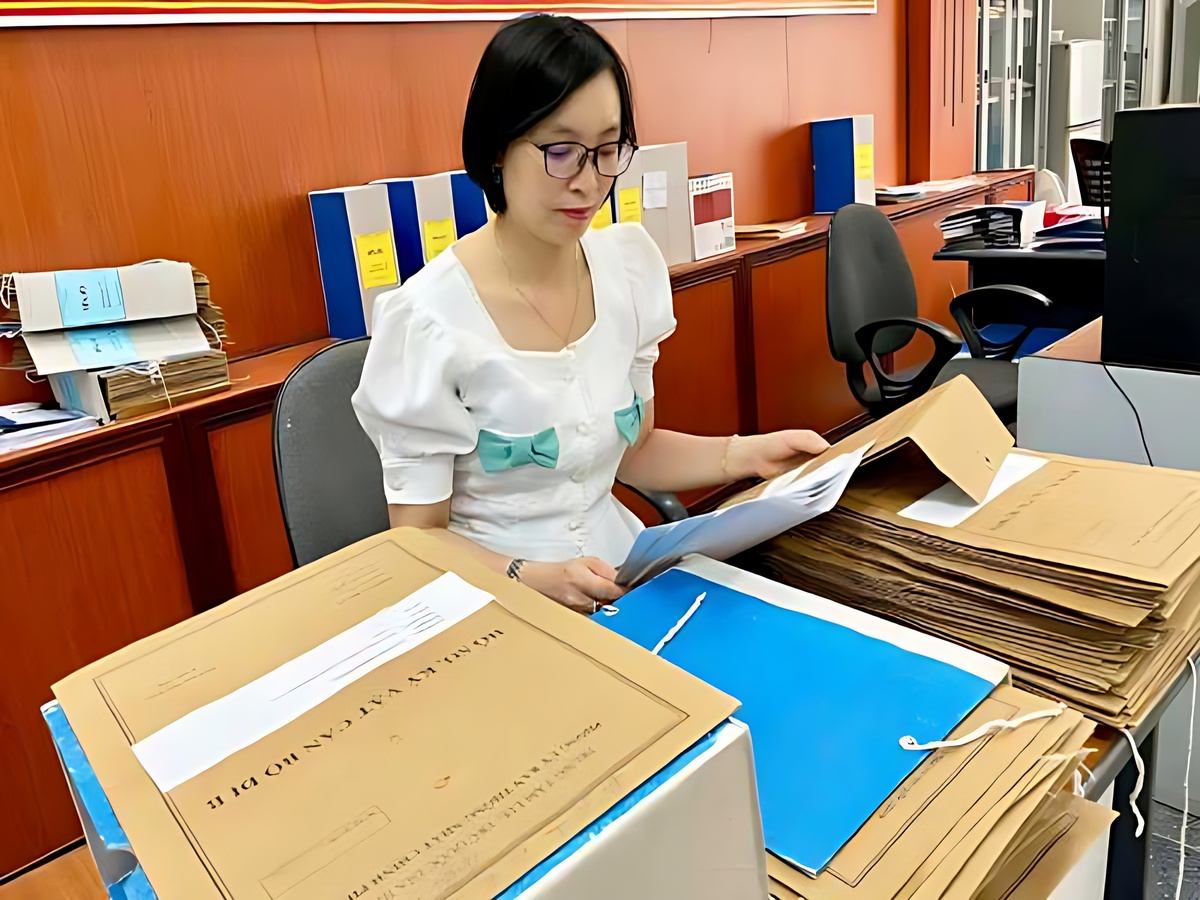
The construction completion process includes document submission, inspection, and project acceptance. (Source: Collected)
3.2. Processing time and completion costs
In the process of understanding what is construction completion and what are the procedures, the processing time for the file usually lasts a few weeks to about a month, depending on the completeness of the file and the regulations in each locality. In cases where the file is not valid, supplements may be required, so the processing time will be longer.
Current construction completion costs include fees for re-issuing the Certificate, fees for surveying and drawing the as-built plan, and especially personal income tax from construction activities (if the homeowner hires individual workers) or VAT (if hiring a contractor). According to the Land Law 2024, the application of new land price lists closer to market prices also affects the calculation of registration fees when updating the value of the house in the land use right certificate, so homeowners need to carefully estimate their finances for this item.
3.3. Agencies receiving and processing completion dossiers
Currently, according to regulations on management decentralization, the agency receiving construction completion dossiers and main permits for individual houses in urban areas is usually the District/County People's Committee (through the One-Stop Shop or the Online Public Service Portal). In some cases for rural housing, submissions can be made at the Commune People's Committee for guidance. However, according to the digitalization roadmap in 2026, most procedures will be conducted online, and homeowners will only need to scan their dossiers and submit them through the provincial/city administrative procedure processing information system.

The authority receiving the completion dossier is the Ward People's Committee. (Source: Collected)
4. Practical experience when doing house completion
4.1. Common mistakes during the completion process
In practice, during final acceptance, some common errors are easily noticeable, including construction not in accordance with permits or design changes without updating records. This renders the project ineligible for acceptance and requires adjustments before proceeding with procedures. Additionally, a lack of documents or failure to store records during construction also leads to records being returned multiple times. These errors not only prolong processing time but can also incur additional related costs.
4.2. How to handle when a project is not eligible for final acceptance
A common solution is to adjust the construction permit to match the current state of the construction. This is a way to legalize changes that arise during the construction process. In case the dossier is incomplete, it is necessary to supplement documents as required by the authorities to ensure validity. If the construction has violations, remedial measures must be taken before proceeding with the completion procedures.
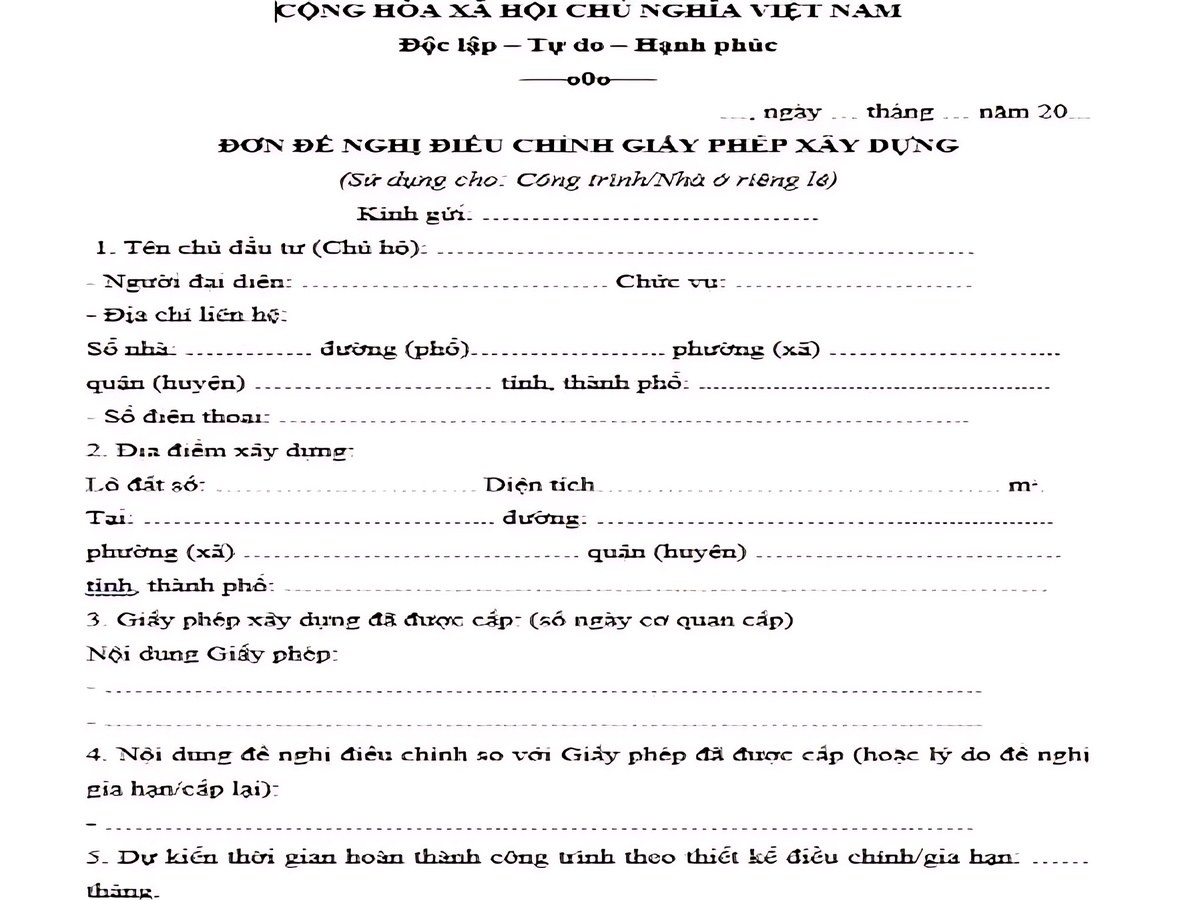
Adjust permits and supplement documents when the construction is not yet fully completed. (Source: Collected)
4.3. Notes for quick and compliant completion
To ensure a smooth completion process, preparing complete and accurate documentation from the outset is crucial. Homeowners should keep all relevant documents throughout the construction process to facilitate completion. Additionally, understanding the procedures and requirements of local authorities, and coordinating with specialized units, helps minimize errors and ensures the documentation is compliant. This allows the completion procedures to be handled effectively and in accordance with current legal regulations.
The article above has clearly analyzed what is completion of construction and what are the procedures , thereby helping homeowners ensure the legal status of the construction and facilitate future transactions. Preparing the correct documents and following the correct procedures will help save time and limit arising risks.