


What is a container home, is it durable, and should you build one?
In recent years, the container house model has gained increasing attention thanks to its low cost and fast construction. However, whether container houses are durable remains a question that makes many people wonder before choosing this type of housing. If you also have the same question, check out the analysis below.

▲Table of Contents
1. A few things about what container houses are and their basic structure
1.1. Container houses in construction
In the modern construction trend, container houses are understood as a type of house that uses shipping containers to be converted into living or business spaces. These containers are made from high-strength steel, capable of resisting impact and operating in harsh environmental conditions, making them suitable for use as homes. Thanks to their pre-existing structure, this type of housing helps shorten construction time and reduce many traditional building steps.
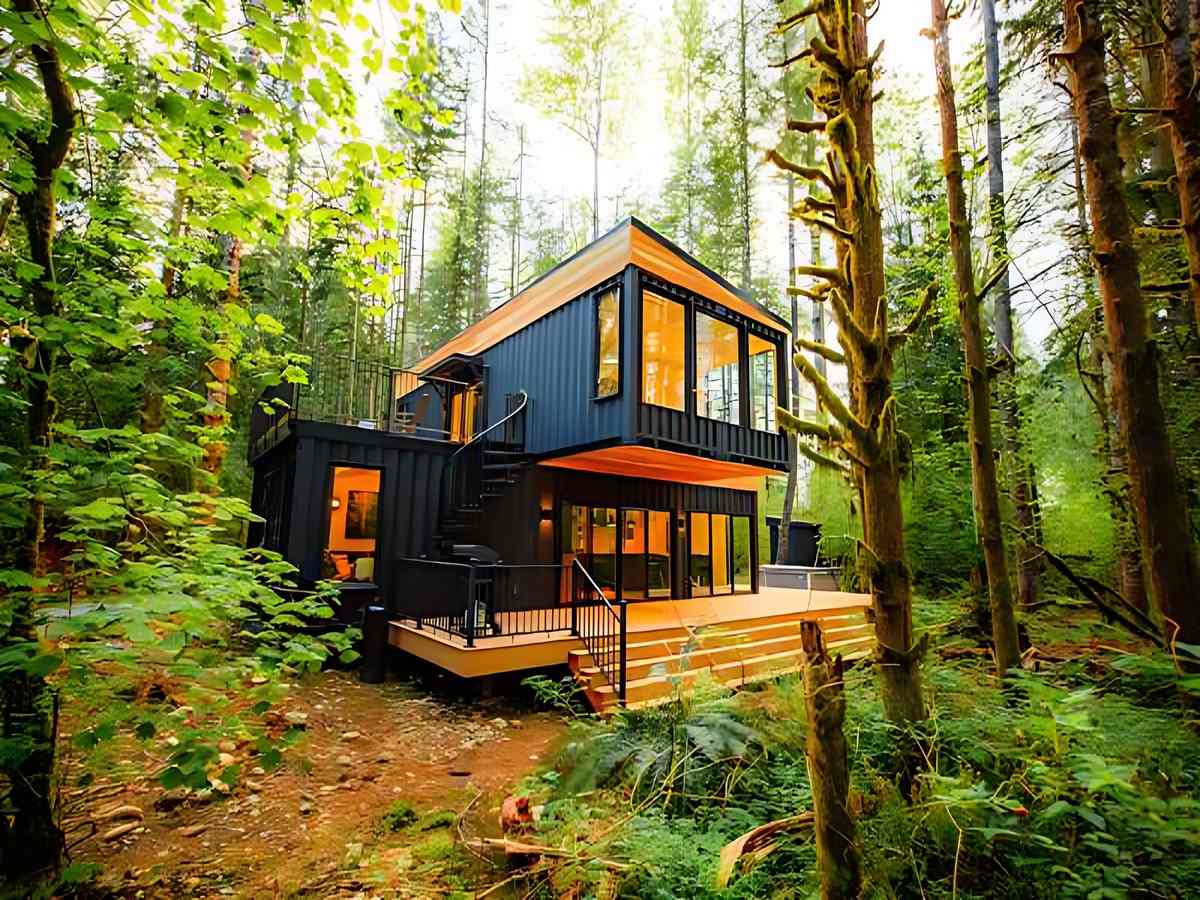
Container house is a house from modified steel containers, fast and flexible construction. (Source: Collected)
Container houses are formed by reusing exploited shipping containers, then cutting, assembling, installing doors, electrical and water systems, and finishing the interior to create usable spaces. This type is applied in housing, homestays, or cafes due to its flexibility and convenient mobility. In addition, utilizing old containers helps reduce construction costs and aligns with the current trend of material reuse in the construction industry.
1.2. Structure of container houses
When learning about is a container house durable? , we need to understand its structure. The container frame is made from Corten steel, a type of steel that is resistant to corrosion and can withstand heavy loads during cargo transportation. This helps the container have a stable structure and be suitable for conversion into housing.
Walls, floors, and roofs are kept as is or renovated by adding layers of insulation, moisture-proofing, and interior finishing materials to suit living conditions. These materials help limit the impact of external temperature and environment on the interior space. Thanks to the combined structure of steel frame and finishing layers, container houses can meet usage needs in various conditions if constructed with proper techniques.
1.3. Process of converting containers into houses
To better understand what makes a container house durable, one needs to consider the process of converting containers into homes in practice. The first step is treating the container's surface by cleaning, removing rust, and inspecting the overall structure to ensure durability. Then, the container is cut and modified to create doors, windows, and arrange the space according to the design.
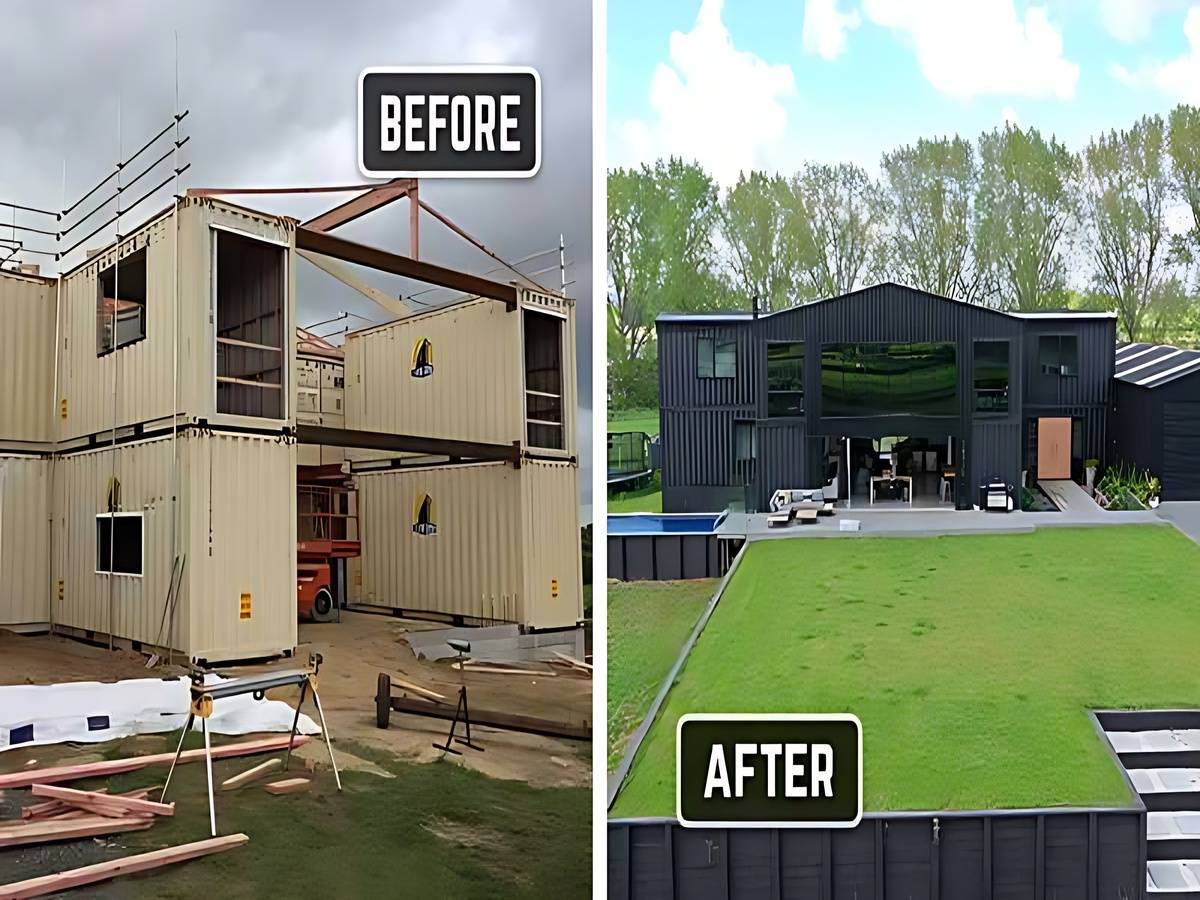
The process of container renovation includes processing, cutting, joining, and interior finishing. (Source: Collected)
Subsequently, electrical and water systems, along with insulation materials, are installed to ensure stable living conditions within the container space. Heat and moisture-resistant layers are added to suit the hot and humid climate and enhance the quality of use. The interior finishing stage helps create a comfortable living space suitable for long-term use.
2. Durability of container houses in actual use
2.1. Load-bearing capacity and structural durability
When analyzing what is a container house and is it durable, load-bearing capacity is an important factor reflecting the durability of the structure. Containers are designed to transport heavy goods and can be stacked multiple layers during transportation. This shows that the container's structure is highly robust from the moment of production.
In reality, if renovated with proper techniques, container houses can maintain a stable structure for a long time without significant deformation. The load-bearing steel frame helps the structure withstand environmental impacts and normal living loads. Additionally, reinforcement and regular maintenance can increase durability and ensure long-term safety.
2.2. Weather Resistance
When researching what a container home is and if it is durable , weather factors directly affect the durability of the construction. Containers are inherently designed to operate outdoors, so they have relatively good resistance to rain, sun, and harsh environments. However, when used as housing, technical solutions need to be added to suit living conditions.
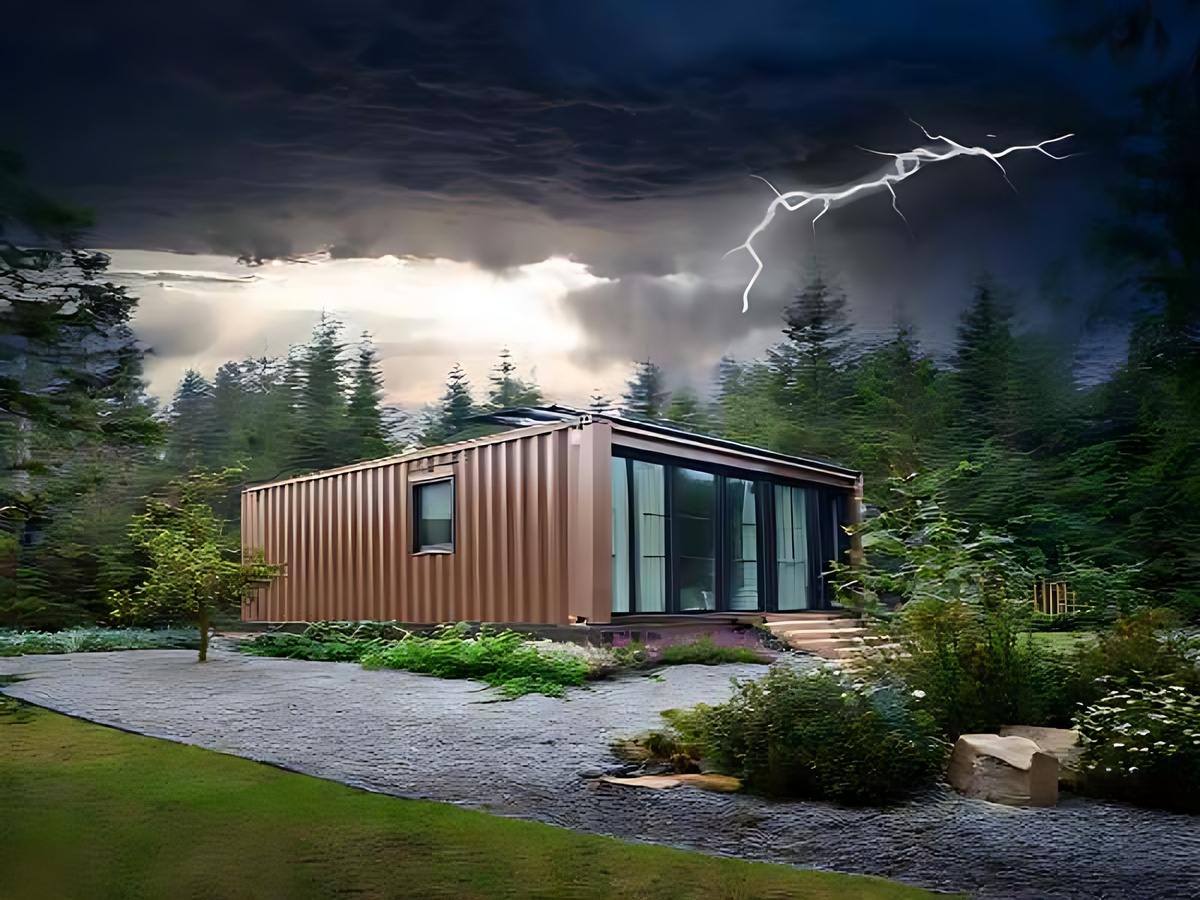
Container houses are weather-resistant but require proper treatment when used. (Source: Collected)
2.3. Lifespan of container houses
Containers have been used in transportation for many years, so when converted into housing, they retain a certain durability. This depends on the quality of the container and the initial treatment process. In reality, container houses can last from 20 to 50 years if properly maintained and treated against rust.
3. Advantages and disadvantages of container houses when used as residences
3.1. Outstanding advantages of container houses
When researching what are container homes and are they durable, it can be seen that this type of housing has many advantages in terms of cost and construction time. The biggest advantage of container homes in 2026 is the ability for "Zero-waste construction". Instead of heavy concrete foundations, architects use Screw piles which allow for quick installation in 1-2 days without damaging the natural soil structure. This is an extremely popular solution for homestay projects in suburban areas or agricultural land, where homeowners want to preserve the existing land condition while still having a modern living space.
Container houses are highly flexible, can be moved or combined with multiple modules to expand usable space according to needs. This type is suitable for many purposes such as temporary housing, offices, or accommodation business. In addition, the simple yet customizable design helps increase applicability in many different models.
3.2. Disadvantages to consider
When analyzing what is a container house and is it durable, in 2026, the insulation disadvantage of container houses has been thoroughly solved thanks to the technology of Nano thermal insulation paint and Bamboo fiber wood plastic composite panels (Wood Plastic Composite). The combination of the steel shell with these green materials not only helps reduce the internal temperature by 5°C - 8°C compared to the outside but also eliminates the noise of rain on the corrugated iron roof – which is the obsession of traditional container houses. This makes the living space as luxurious and comfortable as a concrete house.
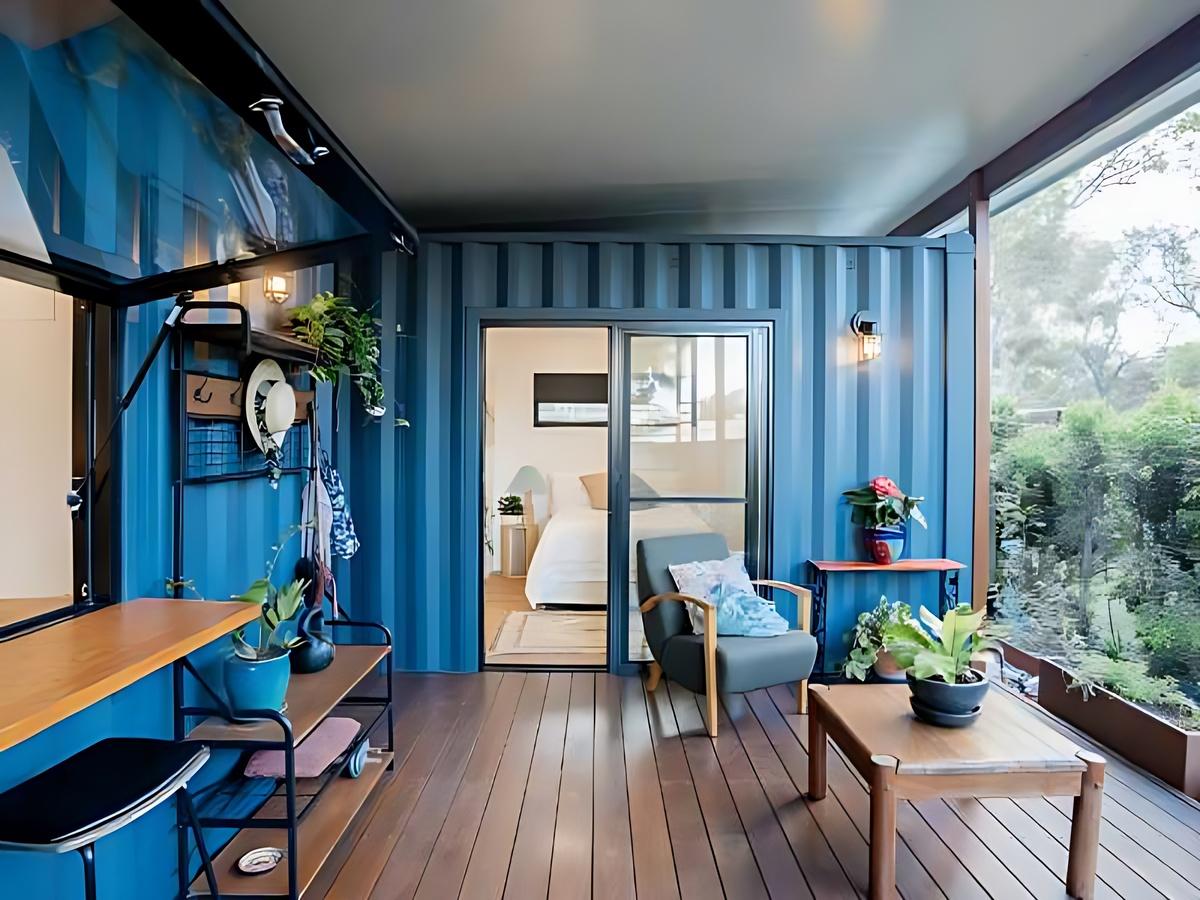
Container homes have limited insulation, space, and require careful treatment when used. (Source: Collected)
According to the Construction Law, container houses are classified based on their nature: If permanently placed on land and connected to infrastructure (electricity, water), it is considered a construction work and requires a construction permit according to planning regulations. However, if the container has wheels or is designed for easy movement (like a mobile home), it may be considered movable property. Homeowners need to carefully check local planning regulations (e.g., in areas like Binh Duong or Phu Quoc) to determine if the land is permitted for temporary structures before investing.
3.3. Practical applications of container houses
In the process of researching what container homes are and if they are durable, it can be seen that this type is widely applied in practice. Container homes are often used as temporary housing, homestays, or cafes due to their fast and flexible construction capabilities. This is suitable for areas undergoing tourism development or requiring rapid deployment.
In addition, container homes are also applied in creative projects with unique designs and can be customized according to usage needs. Business models that utilize containers help create highlights and attract attention in urban spaces or tourist areas. This contributes to diversifying current architectural types.
4. Experience in building durable and efficient container houses
4.1. Choosing quality containers
Choosing the right container is an important step that determines the durability of the construction. Users need to check the steel condition, corrosion level, and overall structure before renovation. Selecting good quality containers helps reduce repair costs and increases the lifespan for a long time. Containers with fewer damages will be easier to renovate and ensure greater safety during use. Additionally, thorough inspection from the outset helps limit risks arising during the construction and operation phases.
4.2. Solutions for heat and sound insulation
When evaluating how durable are container homes , heat insulation and soundproofing solutions play an important role in improving the quality of living space. Due to steel material absorbing high heat, it is necessary to use insulation layers such as PU, foam, or plaster. This helps reduce the internal temperature and improve the living environment.
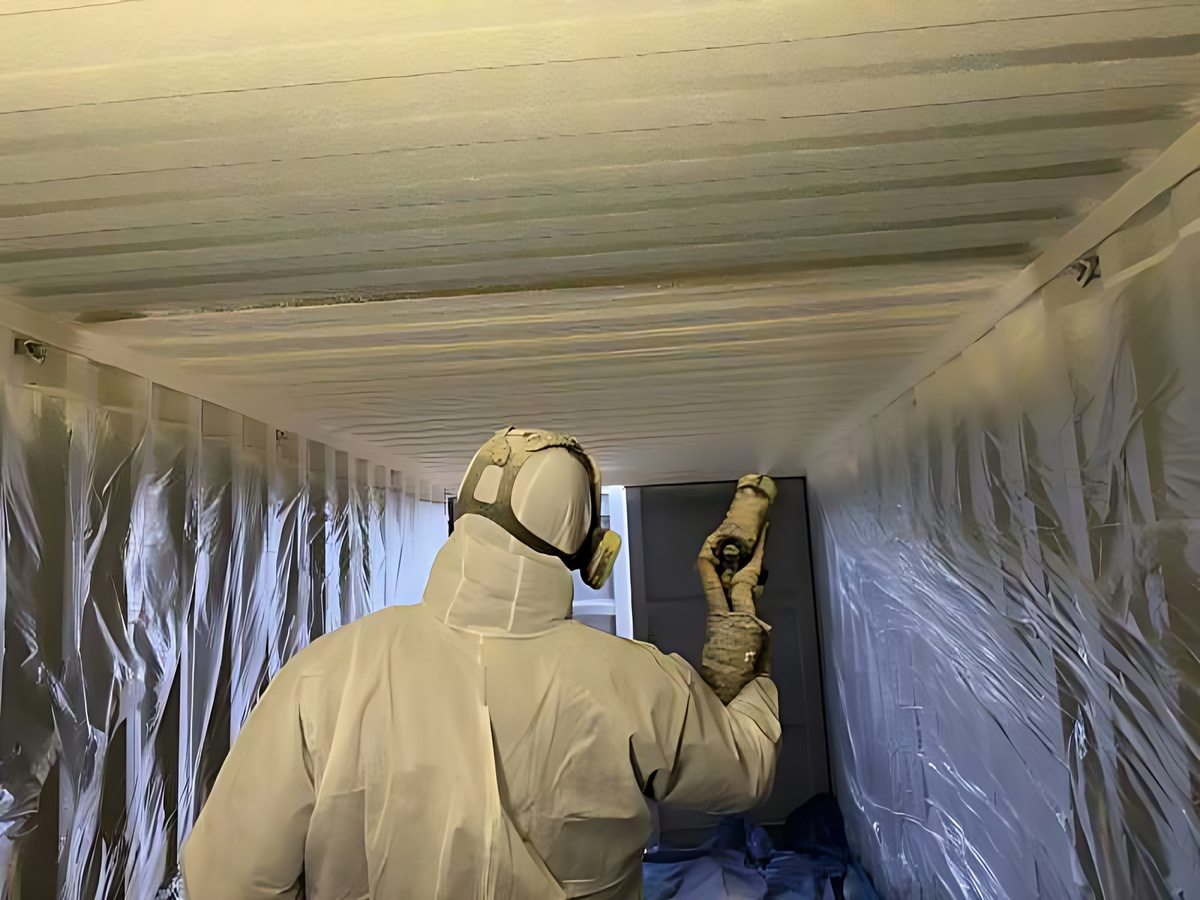
Thermal and sound insulation solutions make container homes more comfortable. (Source: Collected)
Proper ventilation design combined with soundproofing materials helps reduce noise and increase comfort during use. These solutions help limit the influence of the external environment and enhance the living experience. At the same time, they also contribute to extending the lifespan of the building in hot and humid climate conditions.
4.3. Construction costs
When researching what a container house is and if it is durable, cost is an important factor influencing the decision. Finishing costs depend on the scale of the project, design, and the level of interior investment in each specific case. If suitable materials are chosen and the design is optimized, costs can be effectively controlled while ensuring usability.
Understanding what a container house is and if it is durable will help you correctly assess the potential of this type of housing. When designed and constructed properly, container houses are not only durable but also offer a flexible, economical, and modern living solution.