


What is a Type 1 Urban Area and its detailed, easy-to-understand classification criteria?
What constitutes a Type 1 urban area is a topic of interest as many cities aim to upgrade their urban classification. A clear understanding of the recognition criteria and the significance of classification will help investors and residents accurately assess development potential.

▲Table of Contents
1. Concept of Type 1 Urban Area in the Vietnamese Urban Classification System
1.1. Legal Basis for Urban Classification
In the urban development management system in Vietnam, the current urban classification is carried out based on the provisions of the Law on Urban and Rural Planning 2024 (47/2024/QH15) and Resolutions of the Standing Committee of the National Assembly on urban classification. These criteria have been updated to not only assess scale but also focus on quality of life, adaptability to climate change, and digital transformation in urban management.
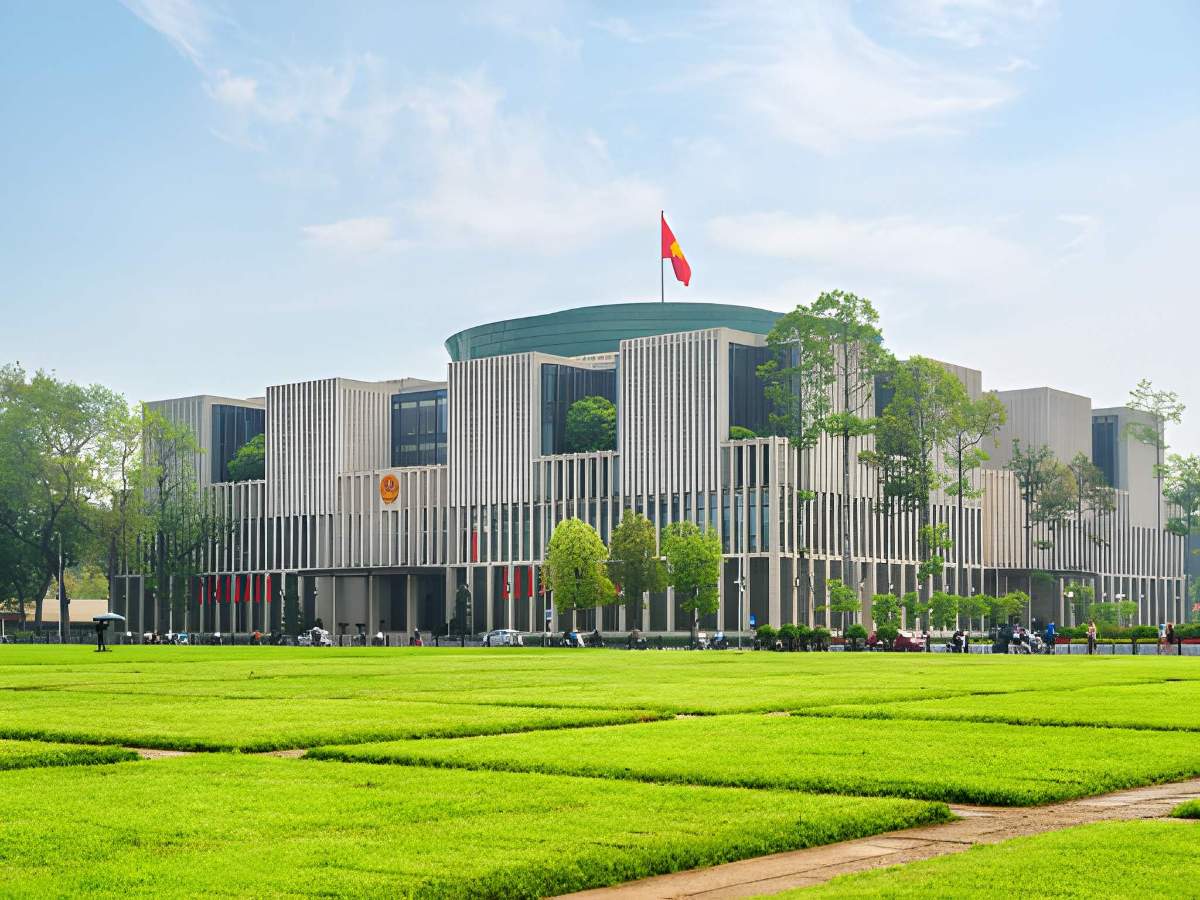
Class 1 City is a city classification based on population and infrastructure. (Source: Compiled)
The urban system in Vietnam is divided into many levels, including special urban areas and urban areas of type I, II, III, IV, and V. Each urban level is determined based on a synthesis of many criteria such as population size, population density, level of economic development, and technical infrastructure. This classification helps create a clear management framework in the process of urban spatial development nationwide.
When learning about what a type 1 urban area is, it can be seen that urban classification plays an important role in urban planning and management. Classification criteria help management agencies assess the development level of each urban area and determine development goals in each phase. As a result, the process of infrastructure investment and socio-economic development is carried out with clear direction.
1.2. Definition of a type 1 urban area
In the urban classification system, the concept of what is a type 1 urban area is often used to refer to urban areas that play an important central role at the regional or provincial level. These urban areas often serve as economic, financial, cultural, educational, and transportation hubs for the region. As a result, they have the ability to promote socio-economic development over a wider area compared to lower-level urban areas.
A city recognized as a Type I urban area must meet many criteria regarding population size, population density, and the proportion of non-agricultural labor. These criteria reflect the city's level of development as well as its capacity to provide employment in the industrial and service sectors. Simultaneously, economic structure indicators also demonstrate the shift from agricultural production to modern economic sectors.
1.3. Distinguishing between Type I urban areas directly under the central government and those under provincial authority
When analyzing what is a type 1 city, it is necessary to distinguish between two groups: type I cities directly under the central government and type I cities directly under the province. Cities directly under the central government are usually larger in scale and play important roles as economic, cultural, and transportation centers for the entire country. These cities usually have a wide scope of influence over many other provinces and cities in the region.
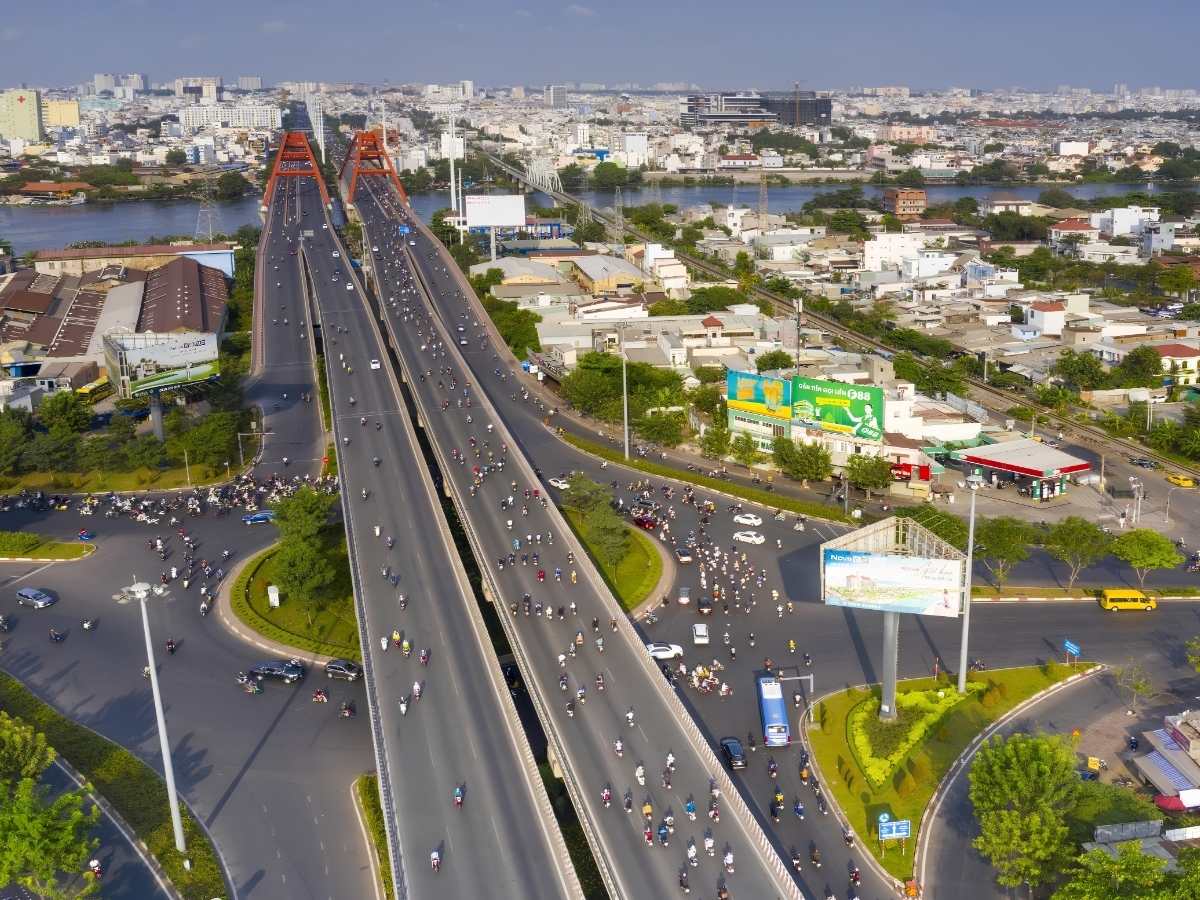
Type 1 cities include those directly under the central government and those directly under the province. (Source: Collected)
Meanwhile, a Type I city directly under the province often serves as the administrative, economic, and service center for a province or a neighboring area. These cities are hubs for the locality's commercial, educational, healthcare, and transportation activities. The development of these cities contributes to promoting the urbanization process and the economic development of the province.
The difference between the two urban groups is also reflected in the criteria of population size and development scale. A Type I city directly under the central government usually requires a larger population size and density compared to a Type I city directly under the province. These criteria reflect the level of development and the role of the city within the national urban network.
2. Criteria for recognition of Type 1 cities
2.1. Criteria for population size and density
When considering what is a Type 1 urban area, population size criteria are among the important factors for evaluating urban classification. According to the latest urban classification standards, a centrally-governed Type 1 urban area must achieve a total urban population size of 1.5 million people or more. For a provincial Type 1 urban area, the total urban population size must reach from 500,000 people or more. Besides, the population density of the inner city area must reach 10,000 people/km² for centrally-governed urban areas, to ensure concentrated development and efficient use of social infrastructure.
Besides population size, population density is also a factor considered when classifying urban areas. Standards stipulate the minimum population density for the inner city area and the entire urban area to reflect the level of population concentration. These indicators show the level of development and the efficient use of urban land resources.
The proportion of non-agricultural labor is an indicator reflecting the urban economic strength. To be recognized as a Type I urban area, the proportion of non-agricultural labor in the inner city area must reach a minimum of 85%. This ensures the urban area is a center for services, high-tech industry, and the digital economy, rather than relying on traditional agricultural production activities.
2.2. Criteria for technical infrastructure
Another important factor when determining what is a type 1 city is the city's technical infrastructure system. The urban transportation system needs to be built synchronously with main roads, inner-city roads, and regional connecting transportation works. The development of transportation helps increase the capacity for goods circulation and people's movement.
Infrastructure systems must meet sustainable urban standards. In particular, the rate of domestic wastewater collected and treated to technical standards must reach over 50%. Public lighting systems, urban greenery (minimum 10-12 m²/person), and broadband telecommunications infrastructure are mandatory requirements. In 2026, criteria for "smart cities" such as the centralized operations center (IOC) and open data have also been included in the scoring criteria.
Furthermore, telecommunications and information technology infrastructure also play an important role in modern urban development. Telecommunications networks, internet, and online public services help increase urban management efficiency. The development of technological infrastructure facilitates the digital transformation process in urban management.
2.3. Socio-economic criteria and regional role
When analyzing what a type 1 urban area is , economic and social factors are also considered important criteria. The economic structure of a type I urban area typically has a large proportion of industry and services in the local economic product. This reflects the level of development and job creation capacity of the urban area.
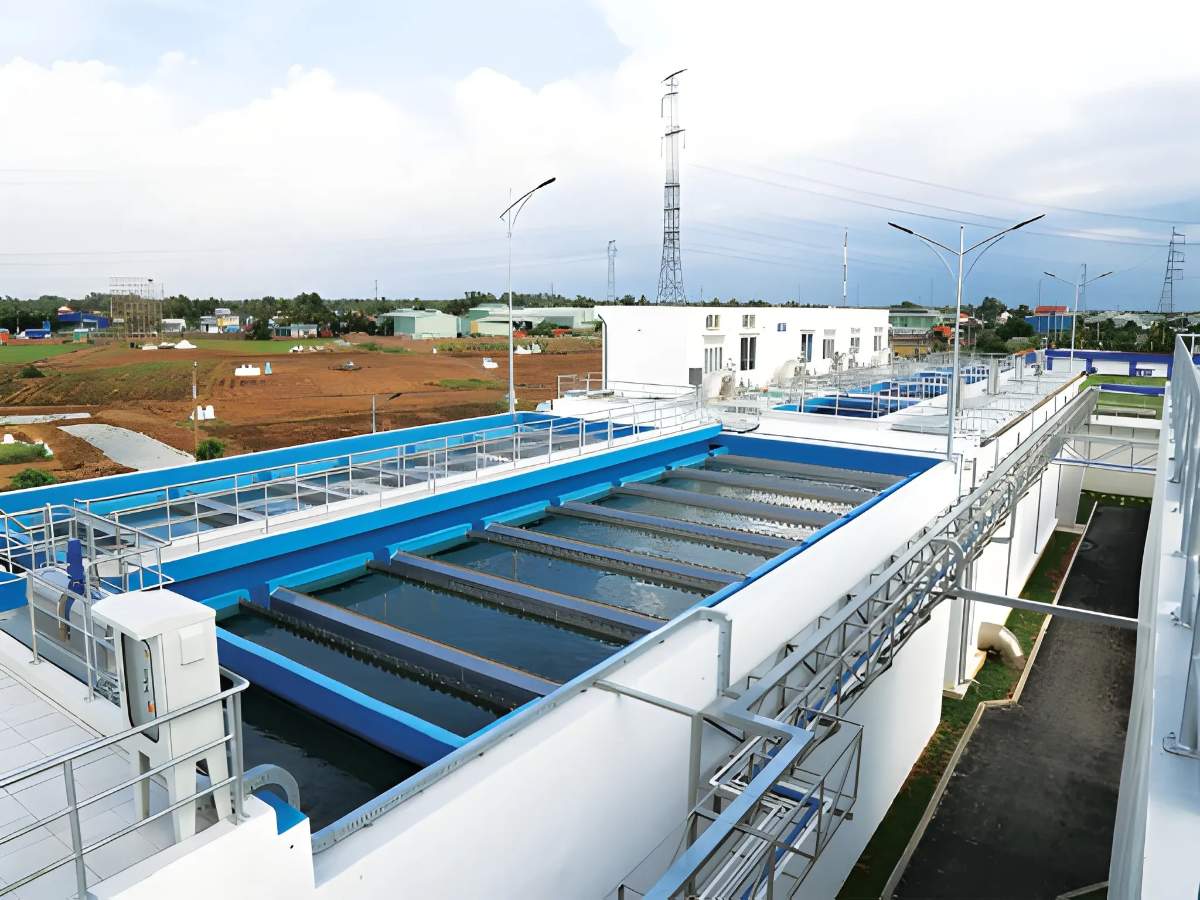
A Type 1 city with a developed economy and a regional connectivity role. (Source: Compiled)
Type I urban areas often play a central connecting role within a region, boasting developed transportation systems and economic infrastructure. These urban areas have the capacity to connect neighboring localities through transportation routes and commercial networks. Consequently, they become important transit points for regional economic activities.
In the process of urban development, the participation of large real estate corporations contributes to enhancing the quality of infrastructure and urban space. Projects such as urban areas, commercial complexes, and resorts help improve the urban landscape and attract investment. These factors create momentum for many localities to aim towards the goal of becoming Type I urban areas.
3. Significance of becoming a Class 1 City
3.1. Impact on planning and infrastructure development
Recognition as a Class 1 City holds significant meaning in the urban development process. When achieving a higher urban classification, localities have the opportunity to access more investment resources for transportation infrastructure and public works. This helps enhance infrastructure quality and improve residents' living conditions.
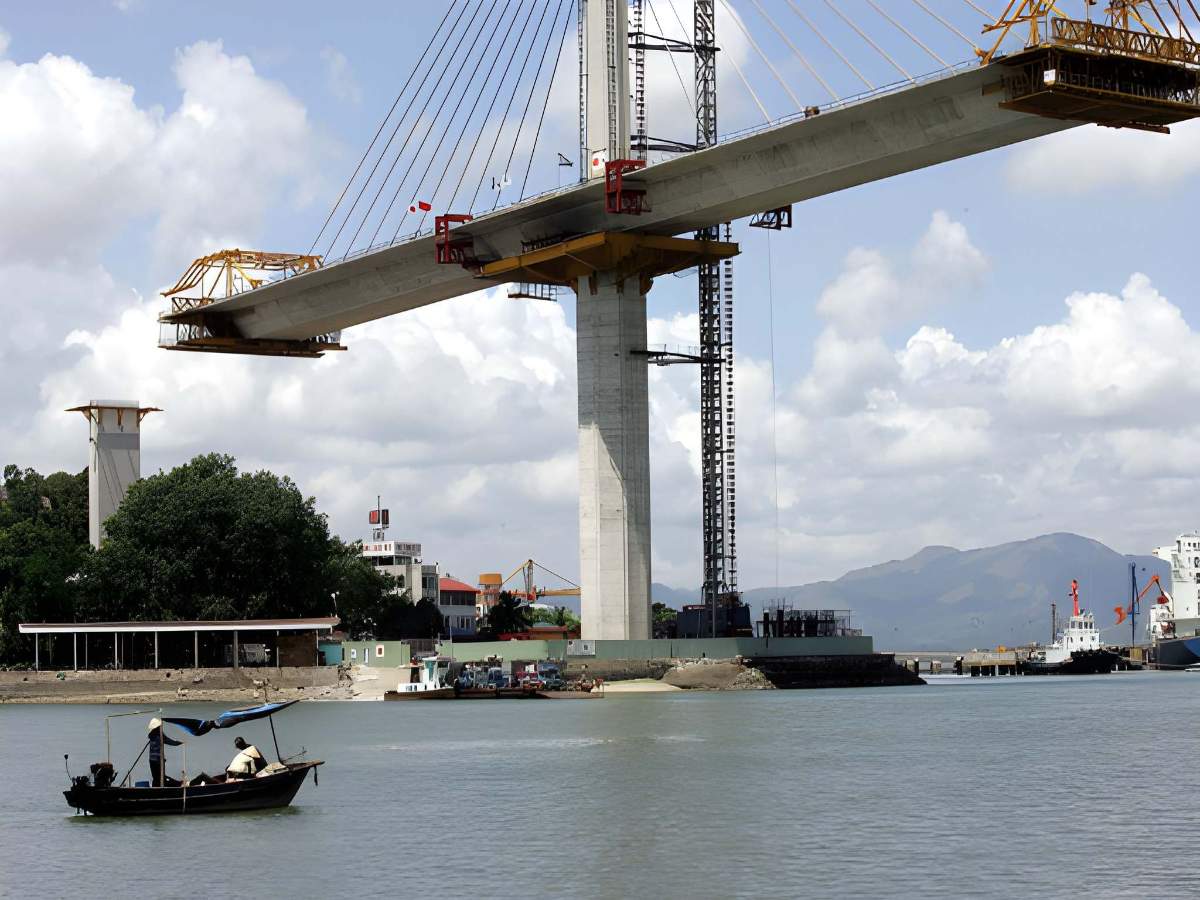
Type 1 City is prioritized for infrastructure investment and spatial expansion. (Source: Collected)
Key transportation projects such as ring roads, bridges, and public transportation systems are often prioritized for investment in Type I cities. Infrastructure expansion helps increase connectivity between areas within the city and with neighboring localities. As a result, urban space can be expanded and developed according to planning.
In addition, urban upgrading also leads to improvements in urban management systems and public services. Educational, healthcare, and cultural services are often invested in to meet the needs of the urban population. This helps improve the quality of life and create a sustainable development environment.
3.2. Impact on the real estate market
When learning what is a Type 1 urban area , many investors are also interested in the impact of urban upgrading on the real estate market. Upgrading to a Type I urban area creates a strong boost for the real estate market. Not only does it increase land value, but this urban level also attracts investment capital into high-end real estate segments, Grade A offices, and smart retail complexes. According to the Real Estate Business Law 2023, Type I urban areas will have stricter regulations on land subdivision for sale, thereby promoting the development of ready-built housing projects, elevating the architectural and landscape appearance of the entire area.
Domestic and foreign investors are often interested in areas with high urbanization rates. Urban upgrading helps increase the attractiveness of the locality for commercial, service, and new urban area projects. As a result, the real estate market can become more vibrant.
The development of large-scale urban projects also contributes to changing the appearance of the area. New urban areas with synchronized utility systems help improve the quality of the living environment. This creates modern urban spaces and attracts residents to live.
3.3. Opportunities and challenges for the locality
Becoming a Type I city brings many economic development opportunities and attracts resources for the locality. As the city develops, service, commerce, and industry sectors have conditions to expand. This helps create more jobs and increase people's income.
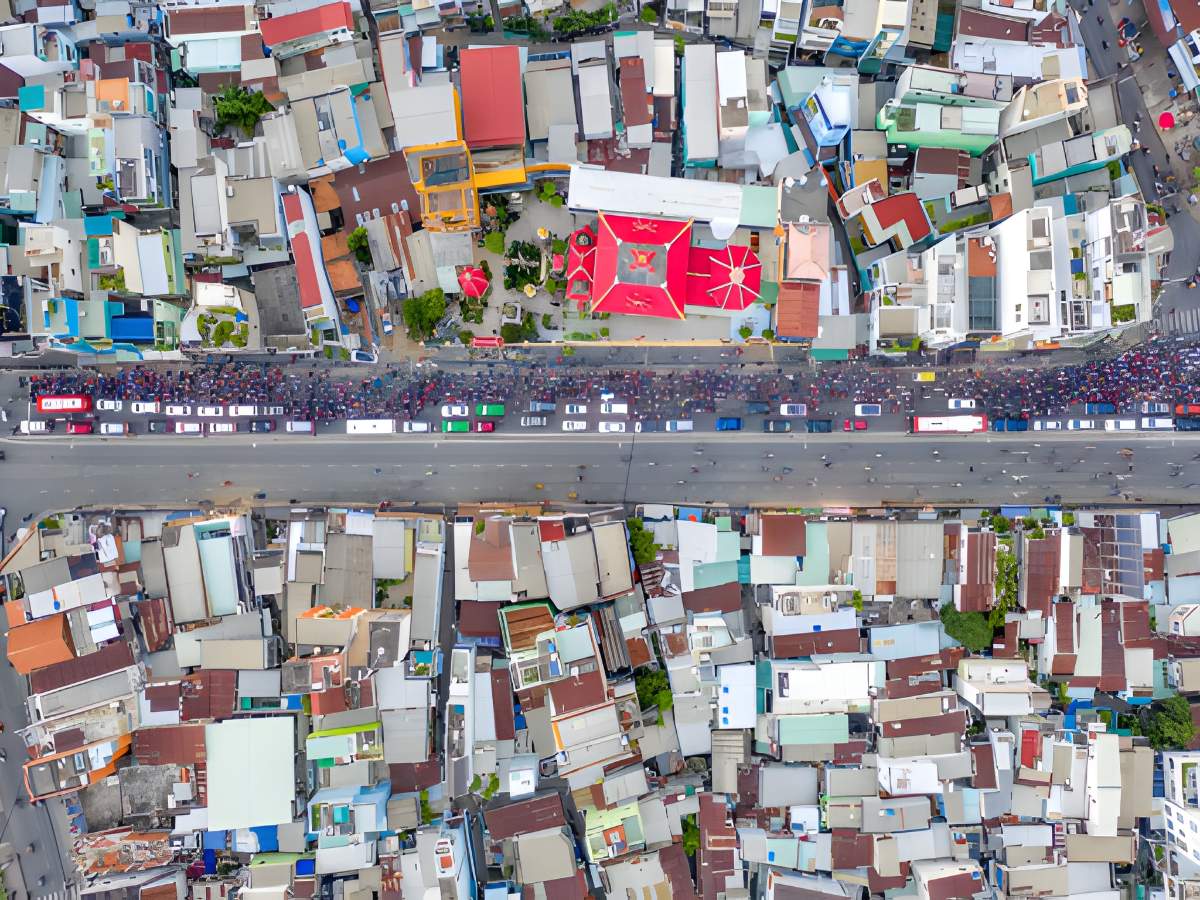
Class 1 city creates development opportunities but also causes infrastructure pressure. (Source: Compiled)
However, the urbanization process also poses many challenges regarding population management and the environment. As the population grows rapidly, the demand for housing, transportation, and public services also increases. This requires local authorities to have a reasonable urban development strategy. Furthermore, urban development needs to ensure a balance between economic growth and environmental protection. Sustainable planning solutions help minimize negative impacts on the ecosystem. As a result, cities can develop stably in the long term.
4. Trends in the development of Class 1 cities in the coming period
In the current context of urban development, understanding what is a Type 1 city helps identify future development trends. Many localities are focusing on expanding urban space and developing satellite urban areas to reduce pressure on the central area. This expansion helps to distribute population and economic activities more reasonably.
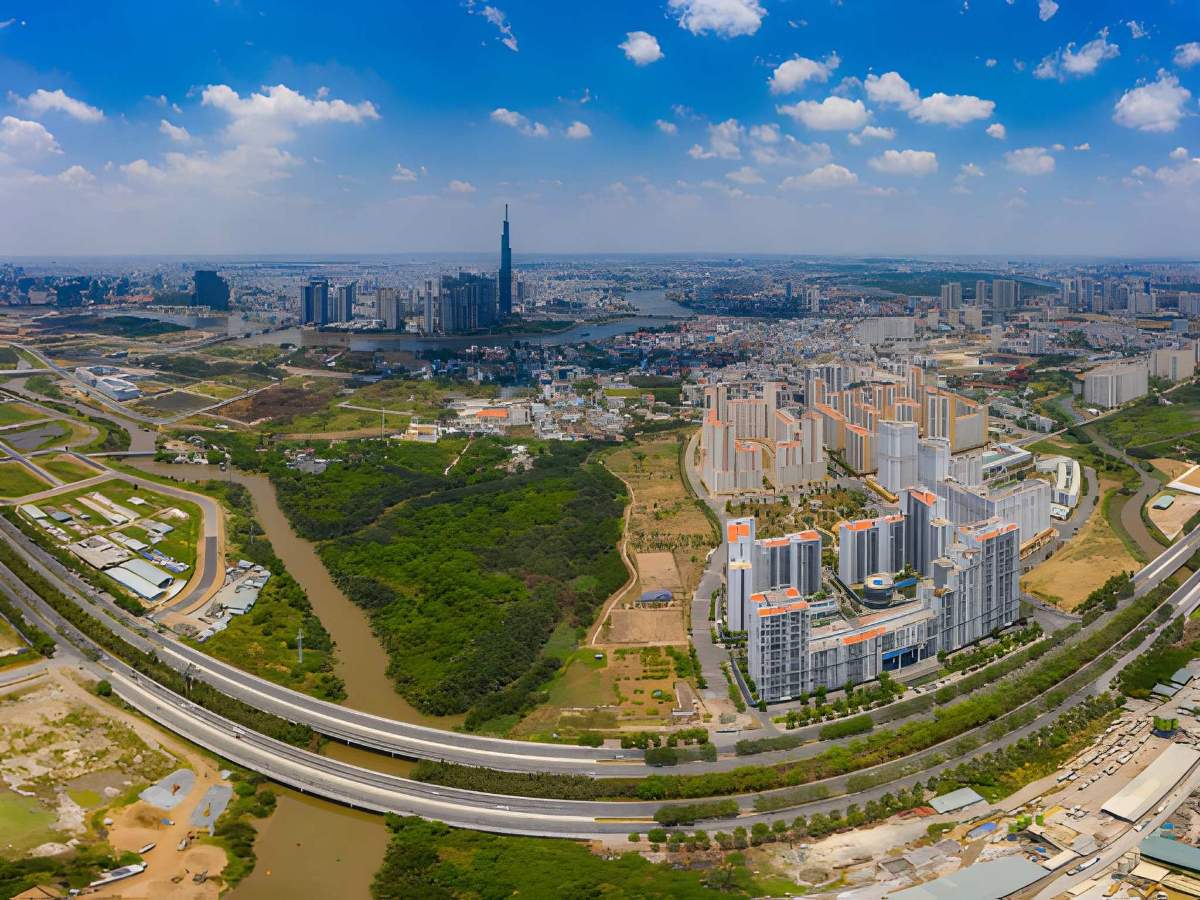
Type 1 city develops towards spatial expansion and technology application. (Source: Collected)
Technology also plays an important role in managing and operating modern cities. Smart city solutions such as intelligent transportation systems, energy management, and online public services are being applied in many cities. These technologies help improve management efficiency and enhance the quality of life for residents.
Understanding what a Type 1 urban area is helps people and investors correctly identify the development potential of a locality. When fully meeting the criteria for infrastructure, population, and regional role, a Type 1 urban area not only enhances its administrative status but also opens up strong growth opportunities for the economy and the real estate market.