


What is assignment in legal transactions?
What is assignment is a common concept in the sale and purchase of assets, especially real estate. This is a form of transferring ownership or usage rights from one party to another according to agreement and legal regulations. Understanding its nature helps ensure transactions are safe and compliant.

▲Table of Contents
1. What is assignment according to legal regulations
1.1. Concept of assignment in civil law
In the field of civil law, the concept of what is assignment is generally understood as the act of an individual or organization transferring ownership or usage rights of assets to another party through a legal contract. This transaction usually involves payment in money or equivalent material benefits as agreed upon by the parties. Assignment activities are common in many types of assets such as real estate, shares, or property rights.
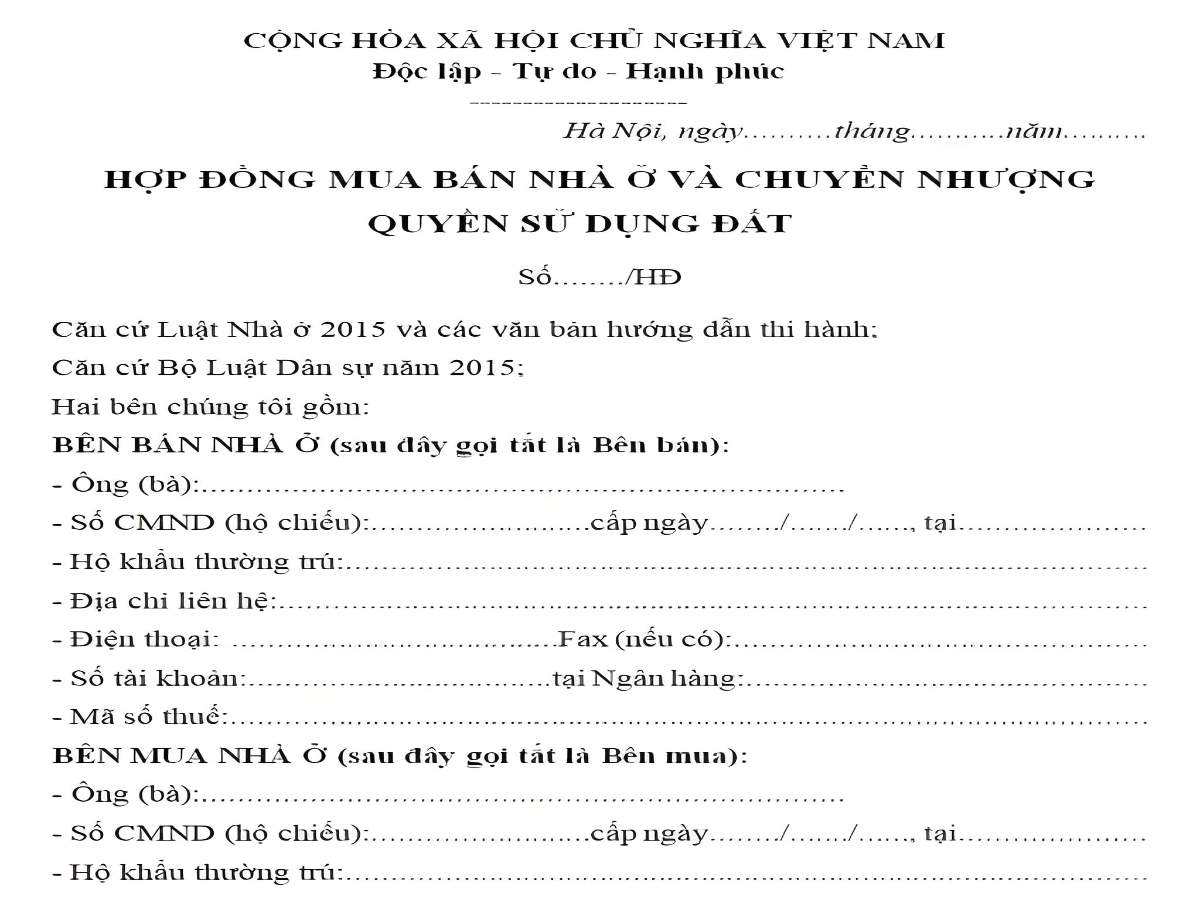
Transfer of property ownership through a legal contract. (Source: Collected)
In legal practice, assignment is considered a form of compensated civil transaction, meaning the asset recipient must fulfill the payment obligation to the assignor. This transfer of rights is carried out through a written contract or other forms as prescribed by law. After the transaction is completed, ownership or the right to use the asset is transferred to the assignee.
1.2. Legal nature of assignment
To clearly understand what is transfer, it is necessary to consider the legal nature of this transaction within the civil law system. Transfer is a contractual transaction formed based on the voluntary will of the participating parties. Each party must have full civil act capacity and the right to dispose of the transferred property.
Besides the voluntary element, the transfer transaction must also comply with legal regulations regarding the form and content of the contract. For many types of assets, especially real estate, the transfer contract needs to be made in writing and notarized or authenticated. This helps ensure legality and limit disputes during the transaction process.
1.3. Distinguish transfer from gift and inheritance
When analyzing what is transfer , it is necessary to distinguish this concept from other forms of asset transfer such as gift or inheritance. Transfer is always associated with the element of payment, meaning the recipient must pay an equivalent amount of money or benefit to the party transferring the asset. This is the fundamental difference compared to the form of a gift.

Transfer differs from gifting because it always involves a payment obligation. (Source: Collected)
In a gift transaction, assets are transferred from the giver to the receiver without requiring material compensation. This transfer is usually based on personal relationships or the voluntary will of the giver. Conversely, a transfer typically occurs in the context of an economic transaction with specific agreements between the parties.
2. Transfer in the real estate sector
2.1. Transfer of land use rights
In the real estate market, understanding what is transfer is often associated with the concept of land use rights transfer. This is a common form of transaction when a legal land user transfers their land use rights to another individual or organization. This transaction is carried out through a transfer contract and complies with relevant legal regulations.
According to the provisions of Land Law No. 31/2024/QH15, land users are entitled to transfer their land use rights when meeting the following conditions: possessing a Certificate of Land Use Rights (except for certain cases of inheritance or receiving transfer of agricultural land use rights); the land is not subject to dispute or disputes have been resolved by a legally effective judgment or decision; the land use rights are not seized or subject to temporary urgent measures; the land is still within its term of use, and the land user has fulfilled their financial obligations as prescribed. These conditions help ensure absolute transparency and safety for transactions.
2.2. Transfer of houses and assets attached to land
Besides land use rights, understanding what is transfer also relates to housing and construction works. According to the Housing Law No. 27/2023/QH15 and the Real Estate Business Law No. 29/2023/QH15, owners can transfer existing housing or future-formed housing when meeting legal and construction conditions. This transaction must be made into a contract and registered to be granted a Certificate of Land Use Rights, Ownership of Assets Attached to Land (new form applicable from 2025). This process ensures that the ownership rights of the transferee are fully protected by law.
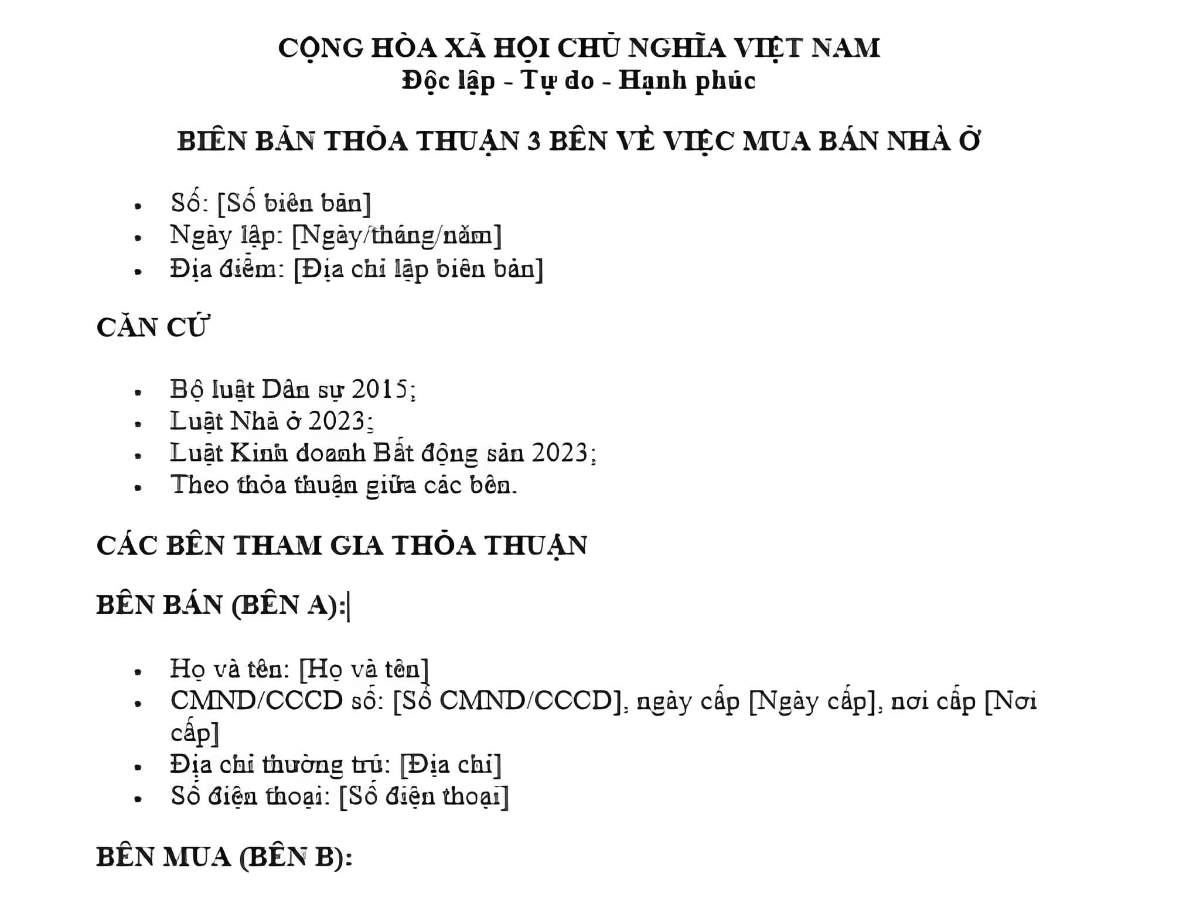
Transfer of housing requires a notarized contract and registration of ownership changes. (Source: Collected)
Contracts for the transfer of housing must be made in writing and notarized by a notary public organization. After notarization is completed, the parties proceed with the registration of changes at the Land Registration Agency. Particularly, according to the Law on Real Estate Business No. 29/2023/QH15, in transfer transactions where one party is a real estate business enterprise, payment must be made through a bank account. This regulation not only helps to clarify cash flow but also serves as the most important legal basis to protect the rights of both the transferor and the transferee in case of disputes.
Additionally, in some cases, real estate mortgaged at a bank can still be transferred if agreed upon by the mortgagee. This regulation helps ensure the interests of the credit institution and limits legal risks during the transaction process.
2.3. Transfer in urban projects
When considering what is transfer in the context of urban development, transfer transactions also appear in large-scale real estate projects. Investors can transfer all or part of a project to another investor in accordance with the provisions of real estate business law. This transaction must comply with legal conditions and be approved by the state management agency.
In many well-planned urban areas, property transfers are often carried out through transparent processes and with clear legal management systems. This helps ensure the stability of the real estate market and protect the rights of parties involved in transactions. Transfer contracts are drawn up with complete information about the property, value, and payment methods.
Transparency in legal and planning aspects helps increase the liquidity of real estate in urban projects. When legal information is clear, buyers can carry out transfer transactions more conveniently. This contributes to promoting investment activities and the development of the real estate market.
3. Conditions and procedures for transfer
3.1. Legal conditions of the asset
During the transaction process, understanding what a transfer is needs to be linked to the legal conditions of the asset. The asset being transferred must have a valid certificate and belong to the legal ownership or right of use of the transferor. This helps ensure the seller has the right to dispose of the asset according to legal regulations.

Transferable assets must have clear legal status and be undisputed. (Source: Collected)
Furthermore, the asset must not be subject to dispute or be seized for enforcement of judgment. Cases that violate this condition may render the transaction void according to legal regulations. Therefore, checking the legal status of the asset is an important step before signing the contract.
In case of transactions through an authorized representative, a legally notarized or certified power of attorney is required. Personal identification documents of the transferor and the transferee must also be fully provided to verify the legal capacity of the parties.
3.2. Contract signing and notarization process
When researching what a transfer is, the contract signing process is an important step in the transaction. The transfer contract must be in writing and fully present information about the participating parties, the transferred asset, and the transaction value. The contract content must comply with legal regulations.
After the parties agree on the content, the contract needs to be notarized or authenticated at a notary public office or competent authority. Notarization is a mandatory step for many real estate transactions to ensure the legal validity of the contract.
After notarization is completed, the parties must fully fulfill their financial obligations as stipulated, including taxes and fees related to the transaction. This is an important step to ensure the legality and transparency of the transfer process. Completing these obligations is also a mandatory condition to proceed with subsequent procedures. If not performed correctly and fully, the transfer process may be interrupted or not recognized.
3.3. Transfer of Ownership and Registration of Changes Procedure
After the contract is notarized, the next step is the transfer of ownership procedure. Currently, according to Land Law No. 31/2024/QH15, the transferee can submit the dossier directly or through the National Public Service Portal to connect with the National Land Information System. This digitization helps shorten the processing time for "Sổ hồng" (pink book) ownership transfer dossiers and allows people to transparently track the resolution progress. Upon completion, land use rights and asset ownership will be officially updated into the land database, establishing the buyer's legal rights within the State's management system.
Registration files typically include a notarized transfer contract, a land use right certificate, and personal identification documents of the involved parties. The managing authority will review the file and perform the registration of changes procedure according to regulations. After completing the registration procedure, the land use right or property ownership right will be officially recorded for the transferee. This is the final step to establish legal rights to the property within the state management system.
4. Important notes when performing a transfer
4.1. Check planning and financial obligations
When conducting transactions, understanding what is transfer must be accompanied by checking the property's planning information. Some land plots may be located in project planning areas or be subject to construction restrictions. Verifying this information helps limit risks arising during land use.
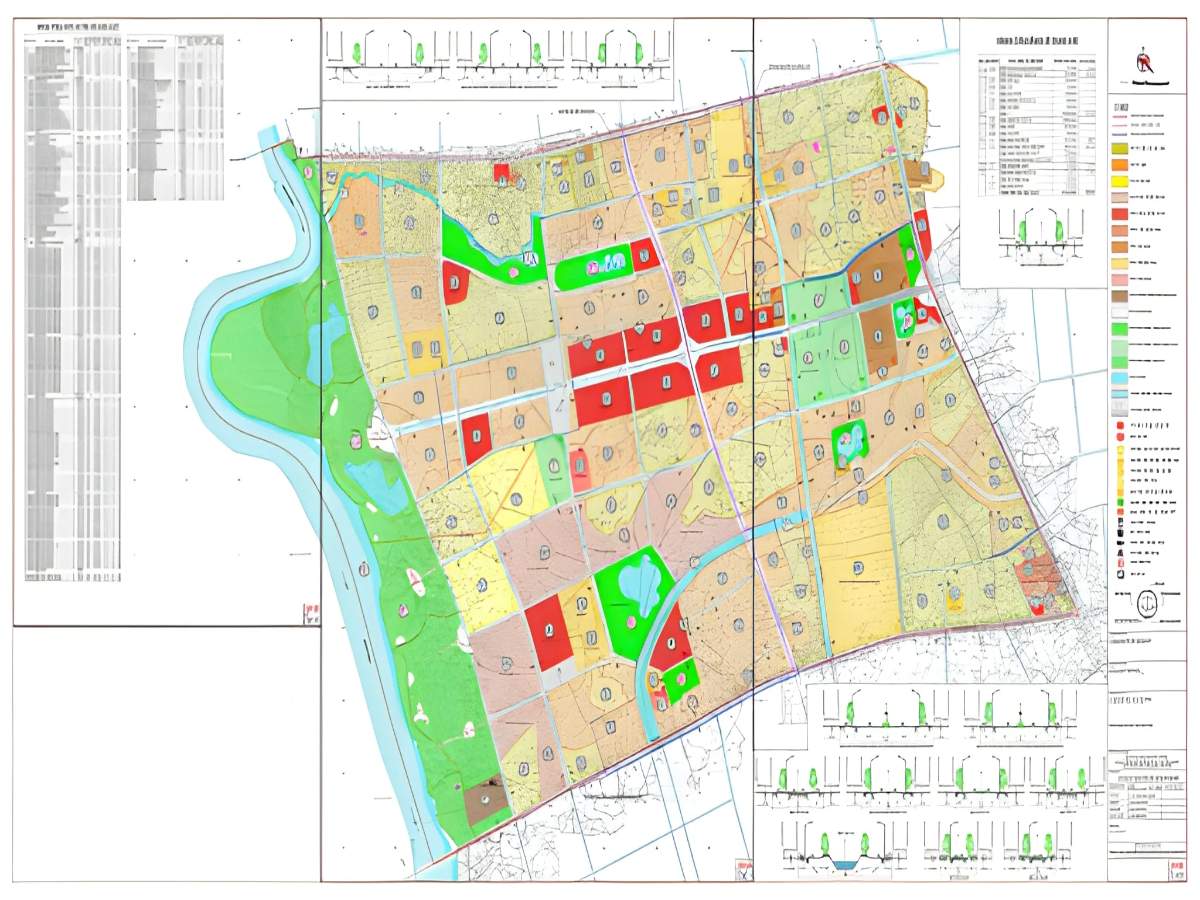
Check zoning and financial obligations before making a transfer. (Source: Collected)
When transferring, parties need to clearly understand their financial obligations. Starting from 2026, personal income tax and registration fees will be calculated based on the land price table close to market price issued annually by the locality according to the provisions of Land Law No. 31/2024/QH15. The abolition of the land price framework helps the tax calculation value reflect actual transactions, while also requiring parties to truthfully declare the transfer price to avoid risks of administrative or criminal penalties due to tax evasion.
4.2. Assess asset liquidity
In the real estate market, the liquidity of an asset is an important factor when considering what is transfer . Assets located in areas with developed transportation infrastructure or clear planning are usually easier to transact. This allows the owner to transfer the asset when necessary.
Conversely, assets located in underdeveloped areas or with unclear legal status may encounter difficulties in the transaction process. Low liquidity can prolong the transfer time. Therefore, evaluating the potential of the area is an important factor before investing in real estate.
Besides location factors, the legal status and usage status of the property also play an important role in its transferability. A property with a clear and transparent legal record helps buyers feel more secure when transacting. Conversely, if there are disputes or a lack of valid documents, the transfer process can encounter many difficulties and risks. Therefore, when the property is legally clear and meets usage conditions, transactions usually proceed more quickly and smoothly.
4.3. Seek professional advice when necessary
In large value transactions, understanding what is a transfer and seeking expert advice can help minimize legal risks. Legal experts or lawyers can assist in checking documents, assessing the legality of assets, and guiding the transaction process. This helps the parties involved clearly understand their rights and obligations.

Consult a lawyer to ensure the transfer transaction is safe and legal. (Source: Collected)
Furthermore, preparing sufficient relevant documents and records also helps the transfer process proceed more smoothly. Documents such as the land use right certificate, personal identification documents, and notarized contract need to be carefully checked before signing. This helps prevent disputes arising after the transaction.
What is transfer is not merely a legal concept but also plays an important role in current asset transactions. Understanding what is transfer helps participants grasp the essence, conditions, and execution process accurately. From there, they can limit legal risks and protect their rights well. At the same time, this also contributes to optimizing asset value during the buying, selling, and handover process.