


What is auspicious land in real estate Feng Shui?
When buying land or building a house, many people are interested in feng shui elements, especially wanting to know what energetically prosperous land (dat vuong khi) is to ensure it brings wealth and luck. However, not everyone clearly understands how to identify and apply it correctly in practice. If you also share this question, check out the following analysis.

▲Table of Contents
1. What is auspicious land in housing Feng Shui
1.1. Concept of auspicious land according to Feng Shui principles
In modern Feng Shui studies, auspicious land is defined as a place where there is a perfect interplay between "Dia khi" (earth energy - energy from the earth's core) and "Thien khi" (heavenly energy - energy from the universe, light). According to the scientific perspective in 2026, these are lands with a high Bovis index (measuring biological energy), an environment not polluted by negative electromagnetic waves or geological faults. Owning a piece of auspicious land helps people maintain positive energy frequencies, support the immune system, and promote creativity and prosperity in work.
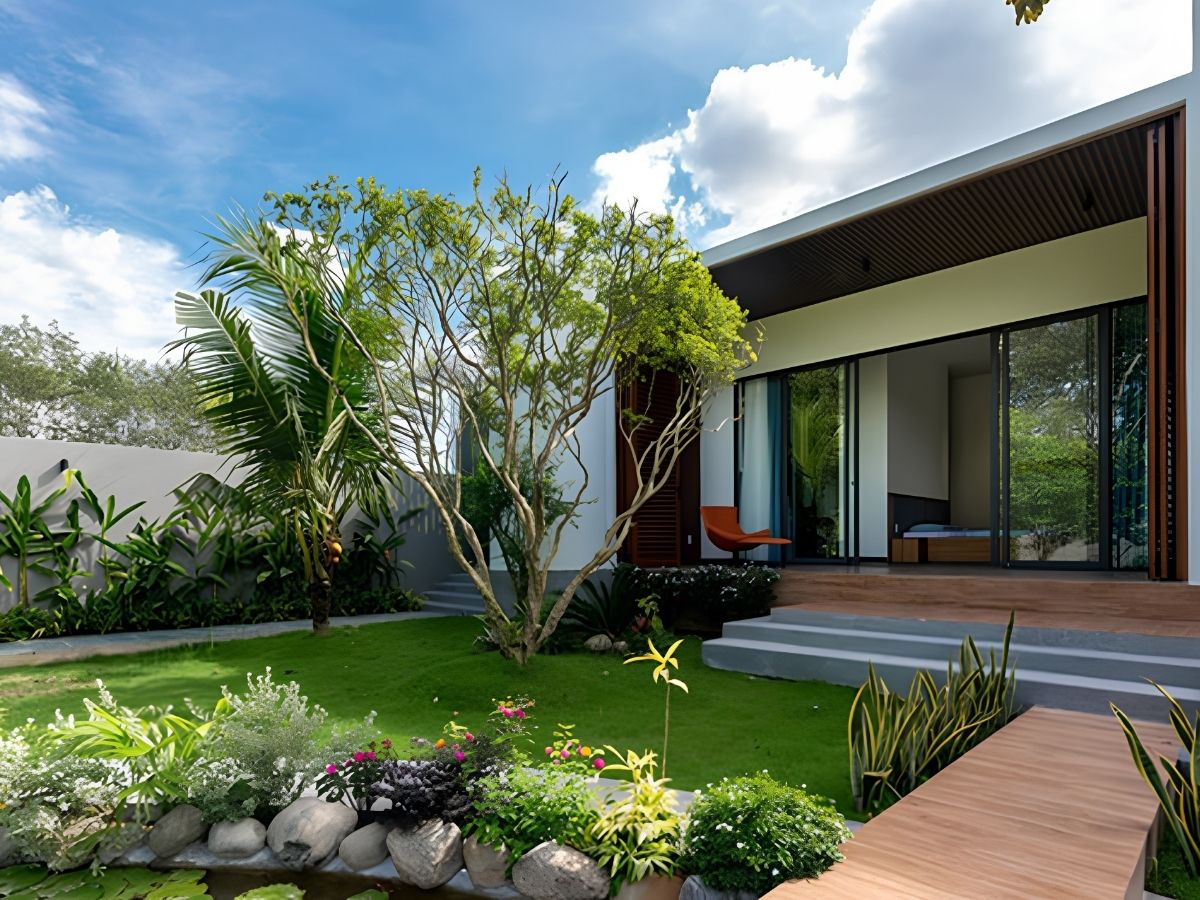
Auspicious land (Dat vuong khi) is a place where positive energy converges, helping to stabilize living spaces. (Source: Collected)
The origin of the concept is associated with observing nature, where land with flourishing trees, a clean environment, and circulating air are often seen as places that accumulate positive energy. In the context of housing, auspicious land is considered the foundation for forming a stable living space, harmonious between humans and the surrounding environment.
1.2. Characteristics of land with good auspicious energy
The identifying characteristics are usually related to terrain, environment, and the balance of air currents in the natural space surrounding the land. Lands with lush greenery, near water sources, and not polluted are often considered to have conditions for accumulating positive energy according to Feng Shui principles.
Additionally, the element of a spacious front courtyard, balanced terrain in all directions, and stable qi accumulation are also considered signs of land with auspicious energy. The presence of natural ecosystems such as birds, bees, or a vibrant living environment are also seen as manifestations of stable and continuous energy flow.
1.3. The Role of Auspicious Energy for Housing and Homeowners
In the process of understanding what is auspicious land , it can be seen that the role of auspicious energy is emphasized in its ability to influence many aspects of life, including finances, health, and family stability. A piece of land with good energy flow is believed to help create a pleasant living environment, support the spirit, and reduce feelings of stress in daily life.
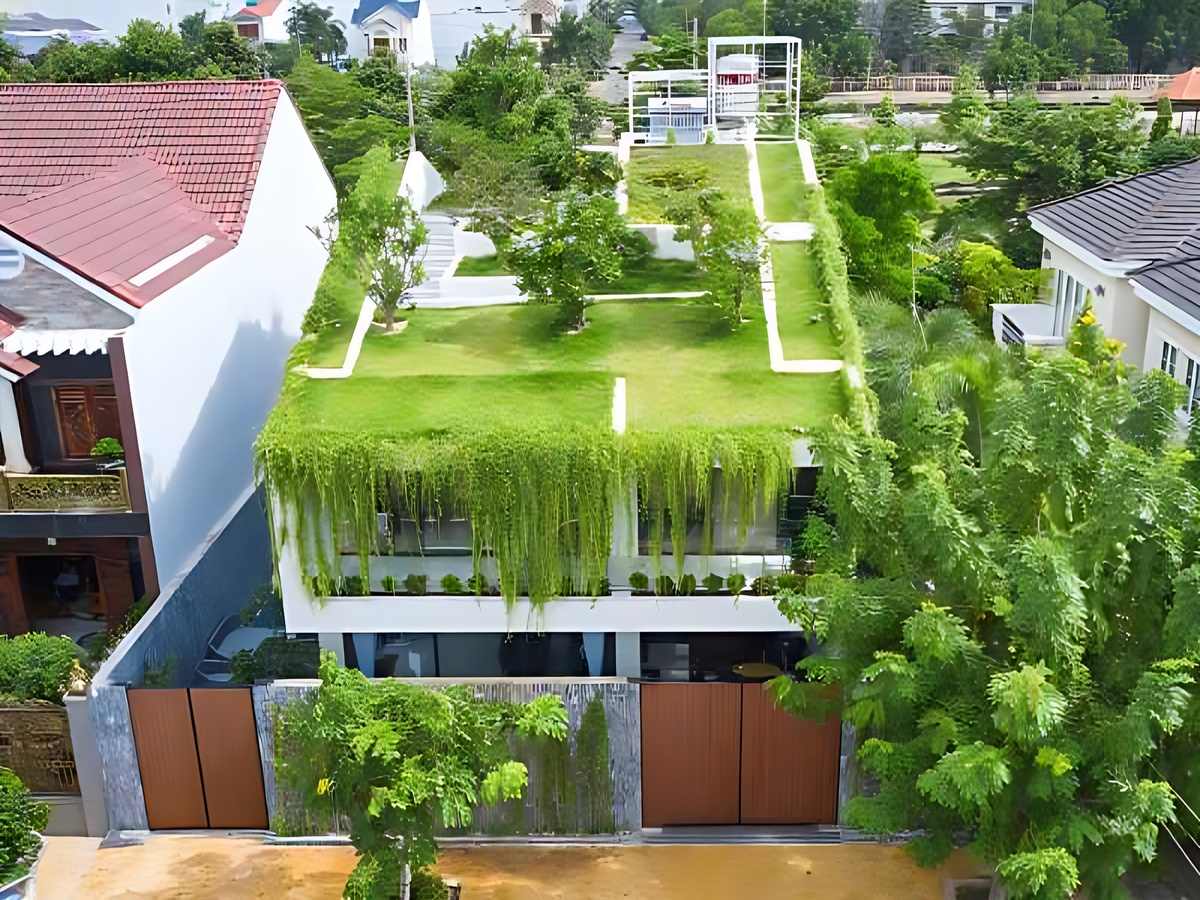
Positive energy influences wealth, health, and stability in living spaces. (Source: Collected)
Furthermore, positive energy is considered a factor that helps maintain balance in living spaces, thereby affecting relationships between family members and the long-term development of the family. Land areas with the ability to accumulate good energy are often highly valued in the context of choosing a place to settle down or invest in real estate.
2. Guidelines for identifying land with positive energy in practice
2.1. Based on surrounding location and terrain
When considering what is auspicious land in practice, the location and terrain of the land are crucial factors in identifying its favorability. Land plots that are high, dry, and flat, with an open front and a supportive backing, are often considered to have the potential for stable energy accumulation and the maintenance of good energy.
Additionally, landforms with a lower front and higher back, or those with a surrounding structure on both sides, are frequently mentioned as terrain types that support the natural flow of energy. These factors help to limit energy dissipation and create conditions for positive energy to be sustained within the living space.
2.2. Based on living environment and landscape
In identifying what is auspicious land, it can be seen that the surrounding living environment plays an important role as it directly reflects the quality of space and the level of ecological balance. Areas with stable green vegetation, natural water sources, and fresh air are often considered to have favorable conditions for the accumulation of vital energy.
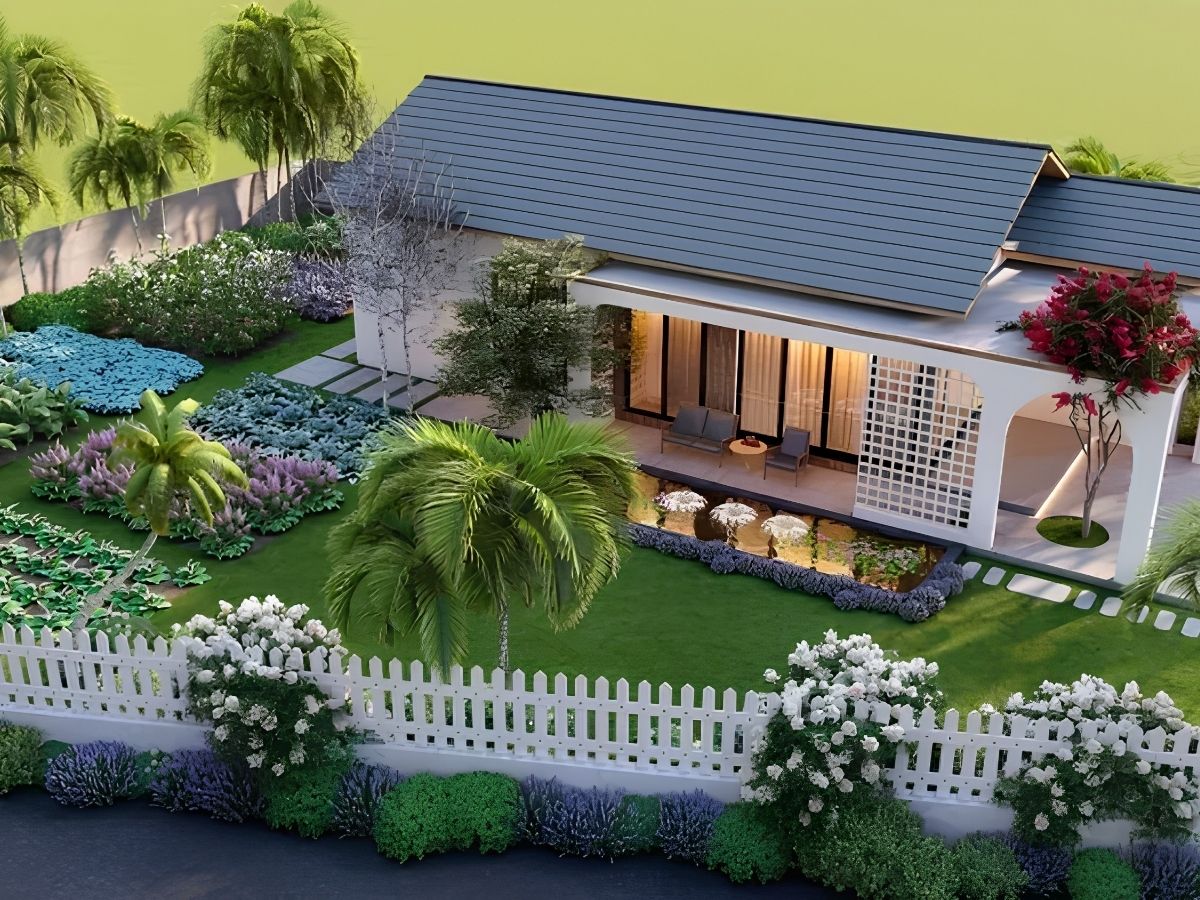
Green environment, clean water, and harmonious landscapes help the land accumulate good energy. (Source: Collected)
In addition, convenient transportation, stable infrastructure, and harmonious landscape space also contribute to maintaining continuous airflow. Areas with a balanced living environment are often considered suitable for long-term living needs and limit negative external impacts.
2.3. Feng Shui indicators showing good energy flow
Feng Shui signs are usually recognized through the circulation of wind, light, and the openness of the space. Land plots that receive natural light, are unobstructed, and have a stable wind flow are often considered to have favorable energy flow.
Additionally, manifestations such as well-growing plants, a vibrant living environment, or a spacious area in front of the house are also considered signs of good energy. These factors reflect the balance between nature and the built environment, helping to maintain the stability of the land.
3. Factors affecting the prosperity of the land
3.1. Land orientation and air circulation
When learning about what is auspicious land, land orientation is considered an important factor because it directly affects the ability to receive and circulate airflow in the space. A suitable land orientation helps receive natural light, wind, and energy from the environment, thereby creating conditions for stable airflow operation.
If the land orientation is unfavorable or blocked by large structures, airflow can be obstructed, leading to the accumulation of bad energy or reduced circulation efficiency. Therefore, choosing a suitable land orientation is often considered a factor to consider during the construction and arrangement of housing.
3.2. Shape and structure of the land parcel
In the process of evaluating what is auspicious land , the shape of the land is considered a factor reflecting the ability to distribute and retain energy in space.
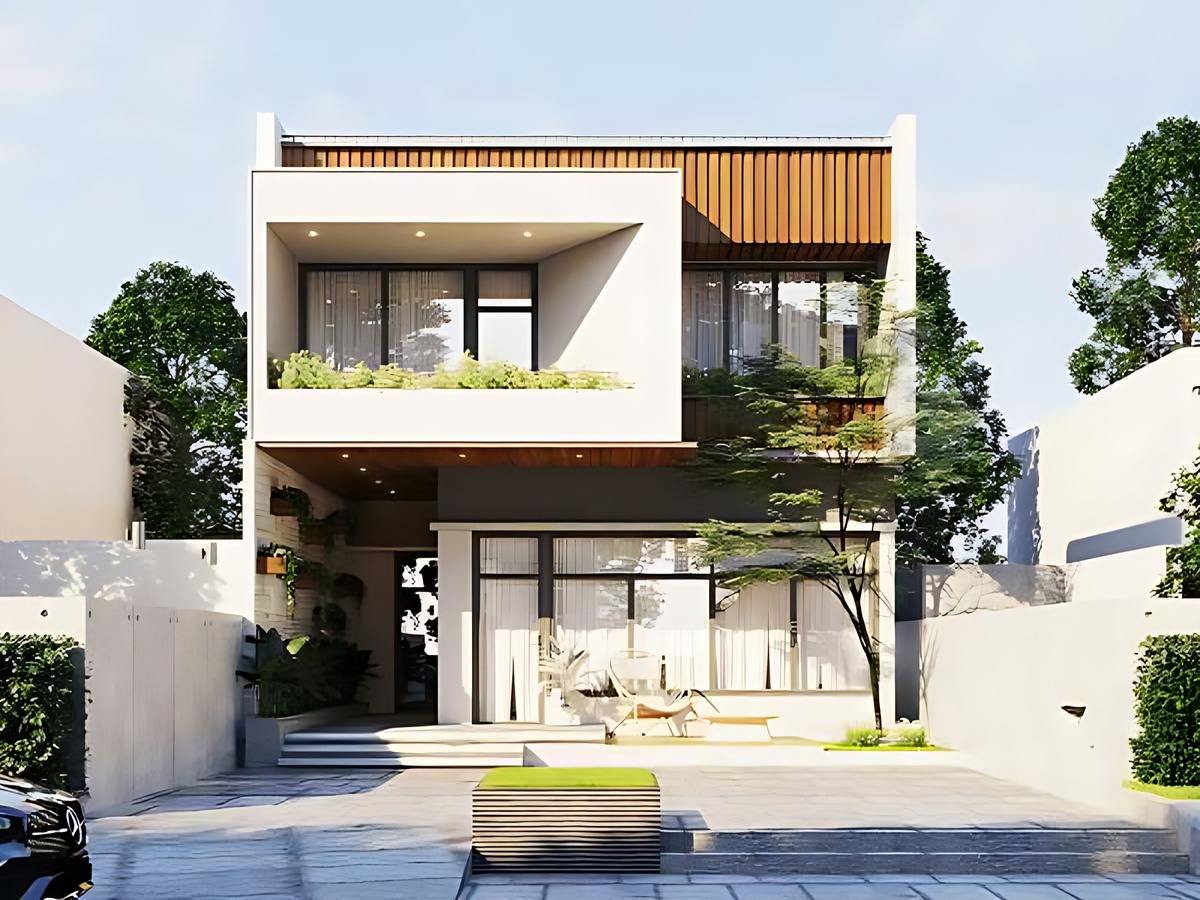
Square land facilitates good air circulation, while irregular land easily disperses energy. (Source: Collected)
Conversely, distorted land plots, those with a constricted rear, or asymmetrical shapes can cause airflow to be interrupted or unevenly dispersed. This affects the stability of the living space and can reduce the long-term effectiveness of accumulating vital energy (Qi).
3.3. Impacts from the surrounding environment
The surrounding environment plays a crucial role in maintaining or diminishing the airflow of a land plot. Factors such as roads, nearby constructions, or pollution levels can affect the quality of the space and its air circulation. Areas with high noise, dense construction, or a lack of green space tend to disrupt natural airflow. Conversely, a quiet, balanced environment with harmonious natural elements will help maintain a stable state for the land plot.
4. Experience in choosing auspicious land when buying real estate
4.1. Notes when choosing land to build a house according to Feng Shui
According to experts, choosing land to build a house nowadays must adhere to the principle of "Location, Orientation, Law". Besides feng shui and financial factors, buyers must specifically check the planning status according to the Land Law 2024 (Law No. 31/2024/QH15). No matter how much auspicious energy a piece of land has, it will become worthless if it is located within the safe corridor of the power grid or an area subject to public project expropriation. The combination of good land energy and transparent legal status is the "real auspicious energy" that ensures sustainable development.
The current top priority is land areas within the "Human-centric Real Estate" ecosystem. These locations not only meet the "Back to the Mountain, Facing the Water" (Tua Son Huong Thuy) standard (back against hills, face towards the river) but also integrate green spaces that meet ESG (Environment - Social - Governance) standards. High terrain and good natural drainage systems not only help to "gather qi" according to feng shui but also help projects avoid climate change risks such as flooding or storm surges, which are common in large urban areas.
Additionally, it is necessary to consider the suitability between land orientation and living needs to ensure the living space has a balance between natural elements and architectural design. An overall assessment helps limit risks and ensures stability during long-term use.
4.2. Mistakes to avoid when assessing auspicious energy
When analyzing what is auspicious land, some common mistakes can be observed: relying solely on subjective factors or word-of-mouth information, lacking an overall assessment of the environment and infrastructure. Focusing on a single element can lead to an incomplete judgment of the land's quality.
Additionally, ignoring practical factors such as transportation, amenities, or living environment can also affect the long-term user experience. The combination of feng shui elements and practical conditions is considered a suitable approach in the current context.
4.3. How to improve vital energy for a less favorable land plot
For land plots with poor initial energy, homeowners can apply self-operating green architecture solutions. The arrangement of koi ponds and circulating waterfalls (Thuy phap) helps activate air circulation, while vertical garden systems purify fine dust and noise. Additionally, using natural building materials such as salt stone and quartz stone when treating the house foundation is also a scientific way to neutralize negative magnetic fields, significantly improving the prosperity for modern living spaces.
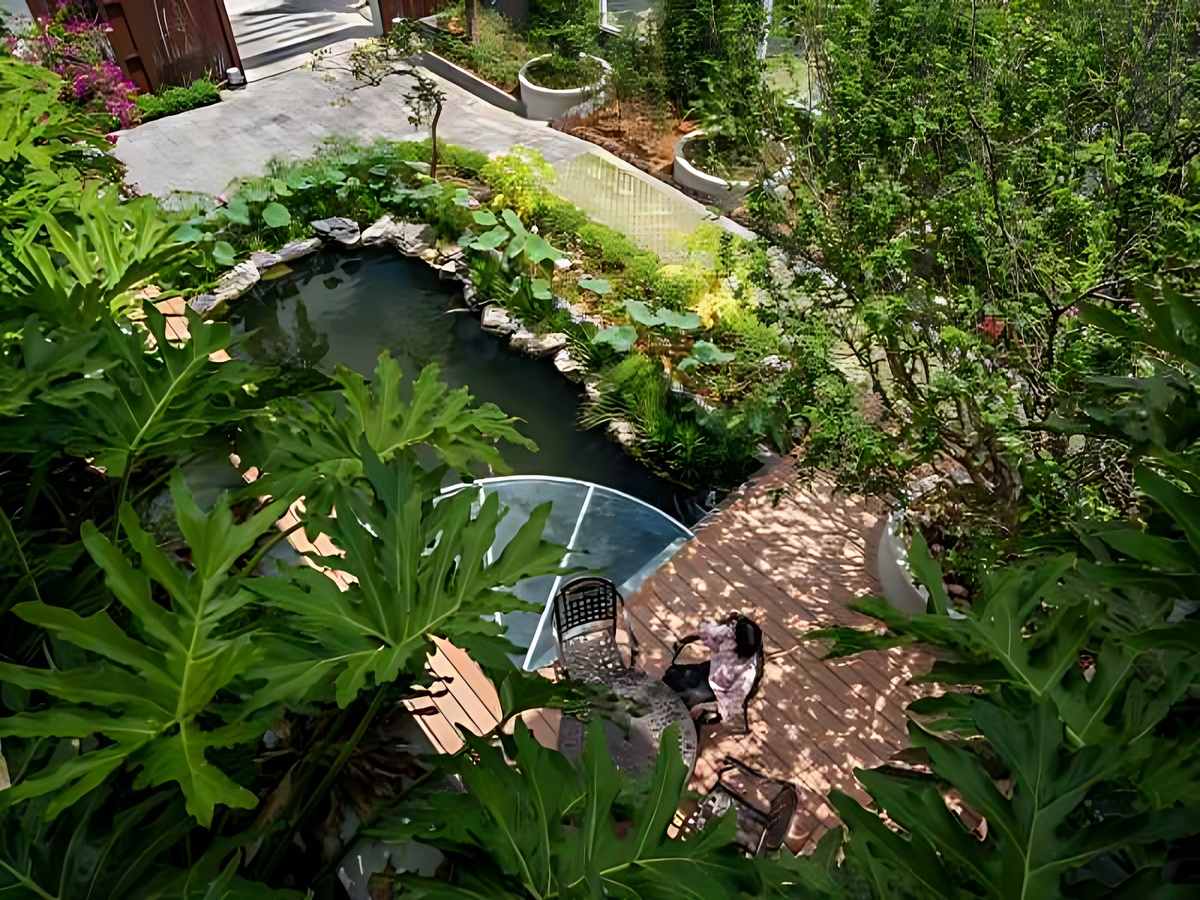
Improve feng shui with plants, light, and reasonable space arrangement. (Source: Collected)
In addition, adjusting home design, expanding spaces to welcome light, and maintaining a clean environment also contribute to improving living space quality. These changes help create a balance between natural elements and architecture, thereby supporting the improvement of the property's energy state.
Bài viết trên đã giải thích đất vượng khí là gì , hy vọng sẽ giúp bạn đưa ra quyết định đúng đắn khi lựa chọn bất động sản. Một khu đất có phong thủy tốt không chỉ mang lại giá trị lâu dài mà còn góp phần tạo nên cuộc sống ổn định và thuận lợi hơn trong tương lai.