


What is Contemporary interior style and its outstanding advantages?
In modern design, many people easily confuse between popular interior design styles. In particular, the Contemporary interior design style is always of interest thanks to its flexibility and sophistication. This article will help you understand the characteristics and suitable applications for living spaces.

▲Table of Contents
1. General information about the Contemporary style in interior design
1.1. Concept of Contemporary style
Contemporary style, also known as the contemporary style, is a design trend that reflects the aesthetics and lifestyle of the present moment. By 2026, this concept will not only stop at simplicity and sophistication but also closely integrate with Green Building standards according to the government's direction.
Contemporary spaces nowadays focus on sustainability and smart functionality, suitable for housing standards under Housing Law No. 27/2023/QH15. Unlike the Modern style, which is fixed within 20th-century rules, Contemporary is highly flexible, always updating with new environmentally friendly materials, making it a top choice for modern apartments and townhouses.
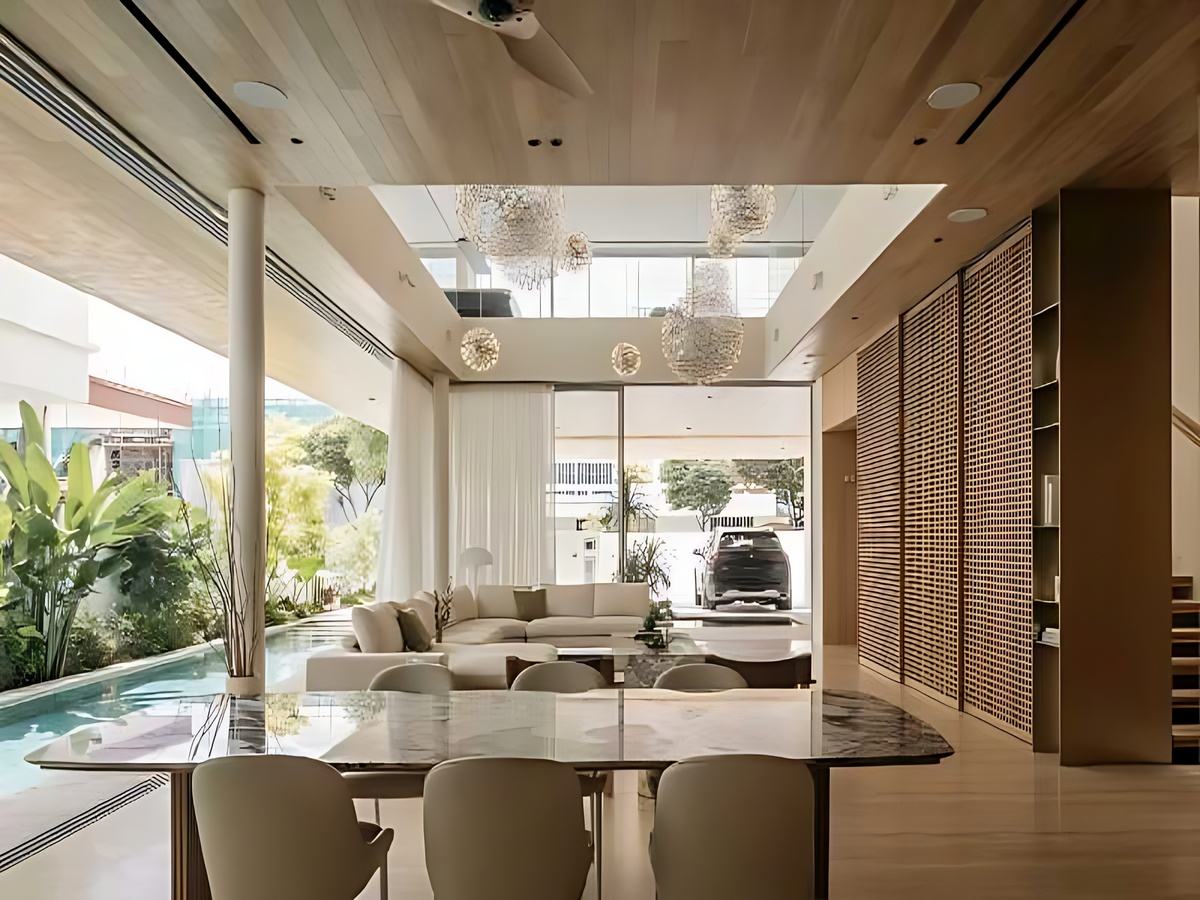
Contemporary style is flexible, modern, and reflects contemporary design trends. (Source: Collected)
When learning about what Contemporary interior style is , it is clear that there is a clear difference compared to the traditional modern style which is tied to a specific historical period. Contemporary is flexible and always updated, while modern has stable design characteristics. This makes Contemporary suitable for many types of modern homes.
1.2. Origin and development
Contemporary style began to form from the end of the 20th century as the demand for design gradually shifted towards flexibility and reflecting modern life. From this period, design trends are no longer bound by fixed rules but aim for change over time. This helps the contemporary style become suitable for many different contexts.
When analyzing what is the Contemporary interior style, it can be seen that this style always transforms to suit the living trends of each period. The development of materials, technology, and aesthetics has directly impacted the way spaces are designed. This is why this style is always highly updated.
1.3. Core Characteristics of the Contemporary Style
The Contemporary style is characterized by its flexibility, not being confined to a fixed design mold. Elements such as shapes, colors, and materials are flexibly combined to create living spaces that suit practical needs. This helps the style easily adapt to many types of architecture.
When evaluating what is contemporary interior design, one can notice the ưu tiên for minimalism and functionality in design. Furniture is often chosen based on usage needs rather than elaborate decorative elements. This creates a tidy and easy-to-use living space.
2. Characteristics for identifying the Contemporary interior style
2.1. Dominant color palette in design
The Contemporary style often uses neutral colors such as white, gray, and black as a base for interior spaces. These colors help create a gentle feeling and are easy to combine with other decorative elements. Additionally, color accents are often used to create visual balance. When applying the Contemporary style, color coordination must ensure harmony and avoid a cluttered feeling.
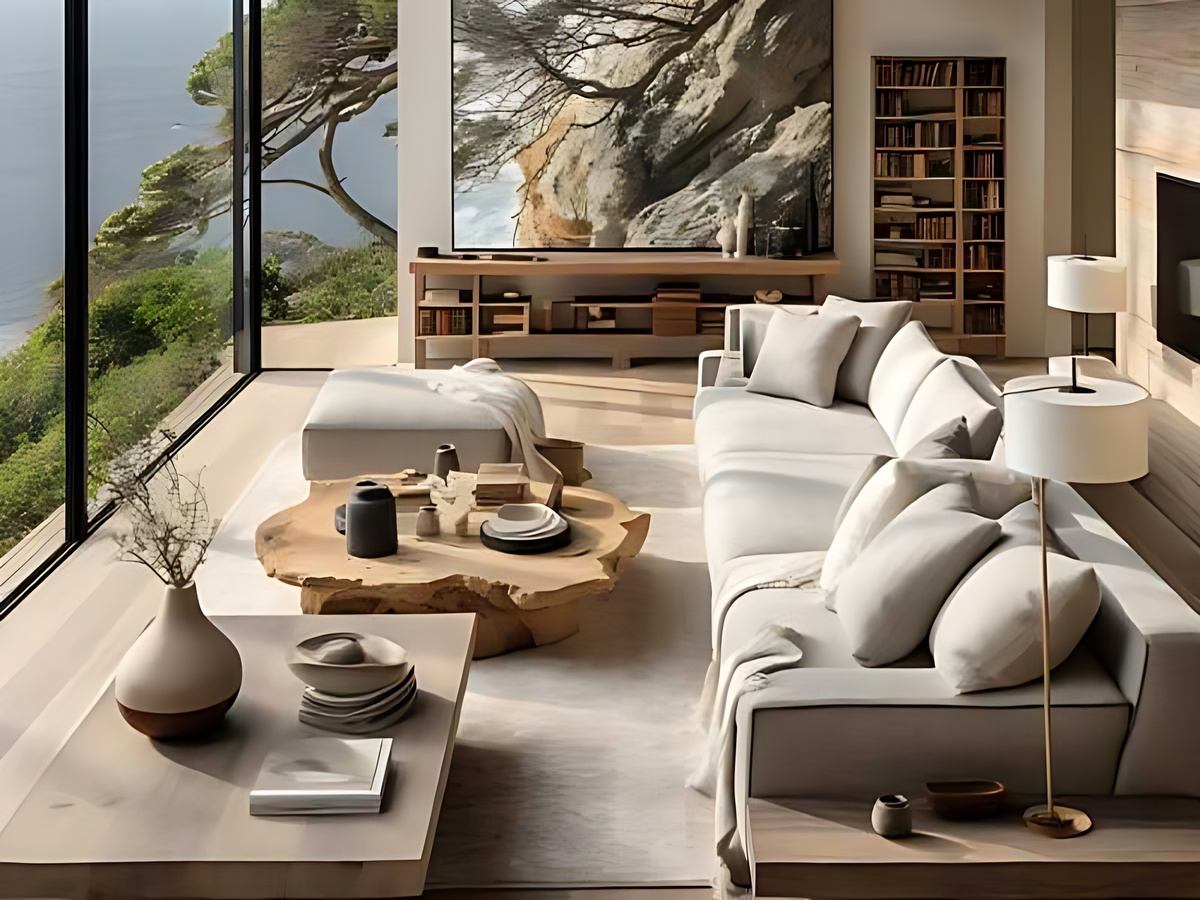
Dominant neutral colors help the Contemporary space harmonious and sophisticated. (Source: Collected)
2.2. Materials and textures used
Contemporary style often uses materials such as metal, glass, engineered wood, and concrete in interior design. These materials create smooth surfaces, capable of reflecting light, and bring a modern feel. The combination of materials helps the space become diverse and deep.
When learning about what Contemporary interior design style is, it can be seen that materials play an important role in shaping the style. Contemporary style prioritizes materials such as metal, glass, engineered wood, and polished concrete. However, in 2026, the use of materials must strictly comply with National Technical Regulation QCVN 06:2022/BXD on fire safety for houses and construction works.
Smooth surface materials like tempered glass or metal not only create modernity but also must ensure heat resistance and do not emit toxic gases in case of incidents. The smart combination between recycled materials and new material technology helps contemporary spaces to have both aesthetic depth and meet stringent requirements for environmental protection and user safety.
2.3. Spatial Forms and Layout
Contemporary style prioritizes simple, clear lines and limits complex details in interior design. Space is often arranged in an open plan, helping to increase connectivity between functional areas. Functional areas are arranged logically to optimize usable space.
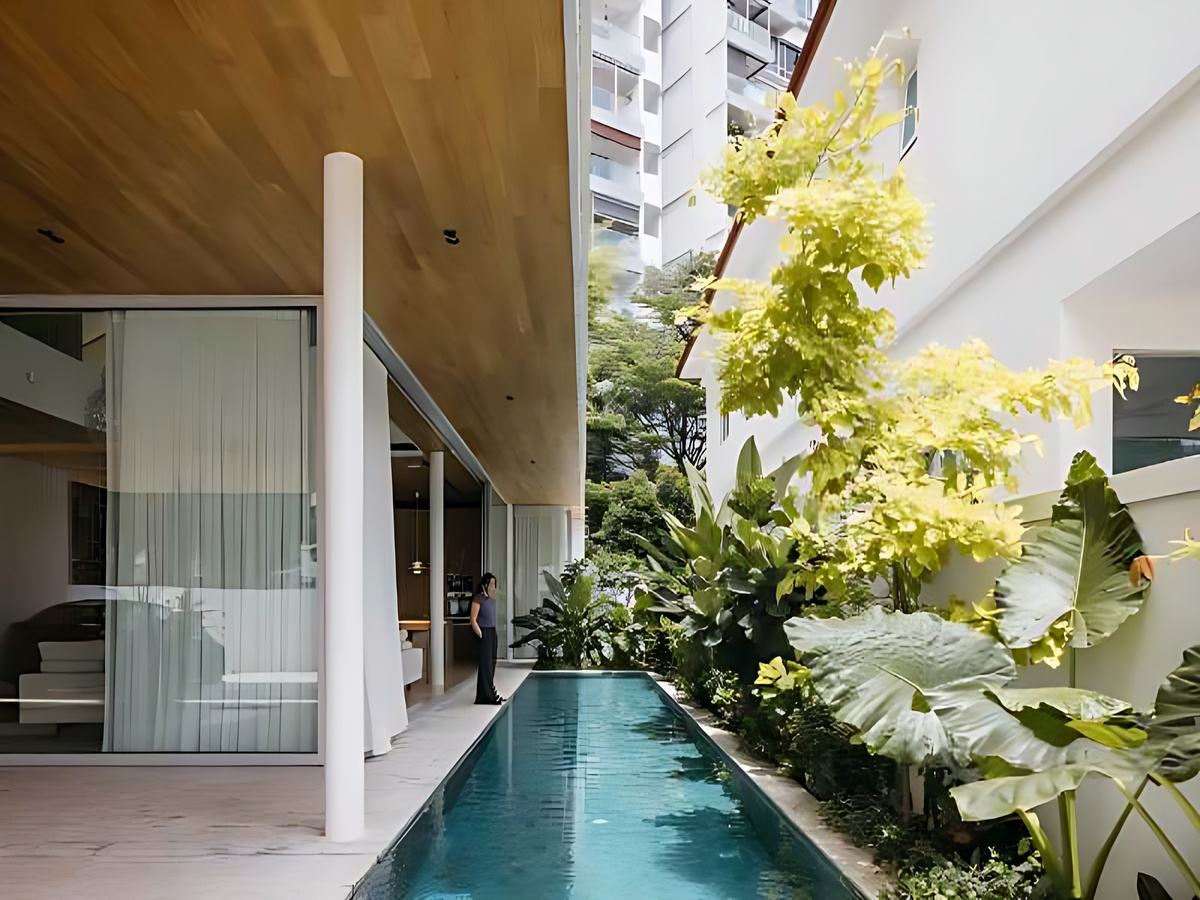
Contemporary style prioritizes simple shapes and open space layouts. (Source: Collected)
3. Advantages of the Contemporary style in housing
3.1. Modern and sophisticated aesthetics
The Contemporary style brings modern beauty through the combination of colors, shapes, and materials in interior design. The space is created with clear lines, enhancing aesthetics without needing many decorative details. This creates a neat and comfortable feeling.
When evaluating what is Contemporary interior style, it can be seen that this style is suitable for modern and minimalist living trends. The space brings a sense of luxury through sophistication in every detail. This is a factor that helps this style be chosen in many projects.
3.2. Optimizing functionality
Contemporary style focuses on optimizing functionality, making the space tidier and more convenient to use. Furniture is designed based on practical needs, limiting unnecessary elements. This helps improve space utilization efficiency. When learning about the Contemporary style, it can be seen that this style is suitable for many different types of spaces.
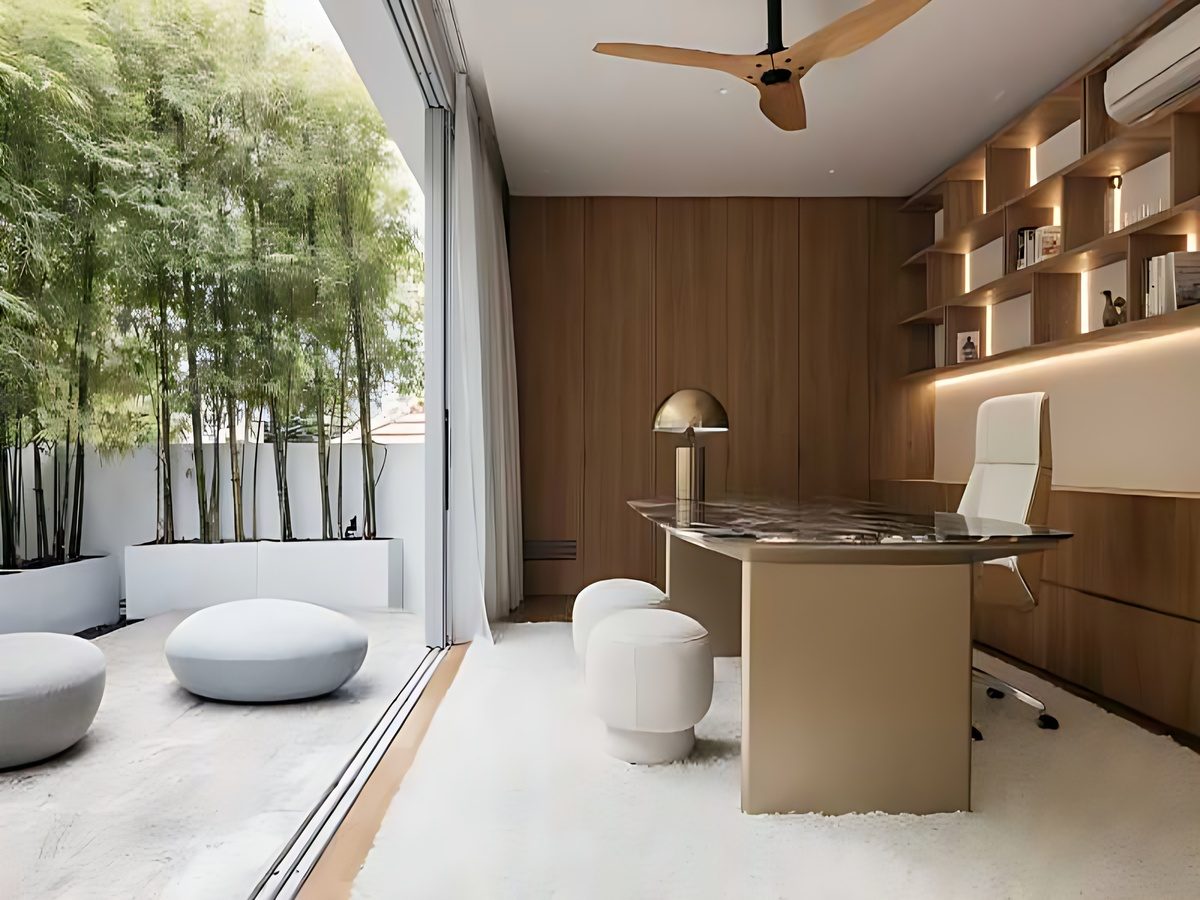
Contemporary style optimizes functionality, making the space tidy and comfortable. (Source: Collected)
3.3. Flexibility in design and decoration
Contemporary style is not limited by specific rules, allowing the combination of various design elements within the same space. This allows users to easily change or adjust the design according to their needs. This flexibility is a characteristic of the contemporary style.
When analyzing what is the Contemporary interior style, it can be seen that it can be combined with other styles to make the space more diverse. Changing materials or colors can create a new look without needing to change the entire design. This element is suitable for current living trends.
4. How to apply Contemporary style design in practice
4.1. Living room space with a Contemporary spirit
Living rooms in the Contemporary style prioritize spaciousness and an open layout, minimizing partitions to create a seamless flow of space. Furniture typically features clean lines, clear geometric forms, combined with a neutral color palette such as white, beige, and gray to create a modern and sophisticated feel. Natural light plays a leading role, combined with spotlighting to highlight decorative details without being visually distracting.
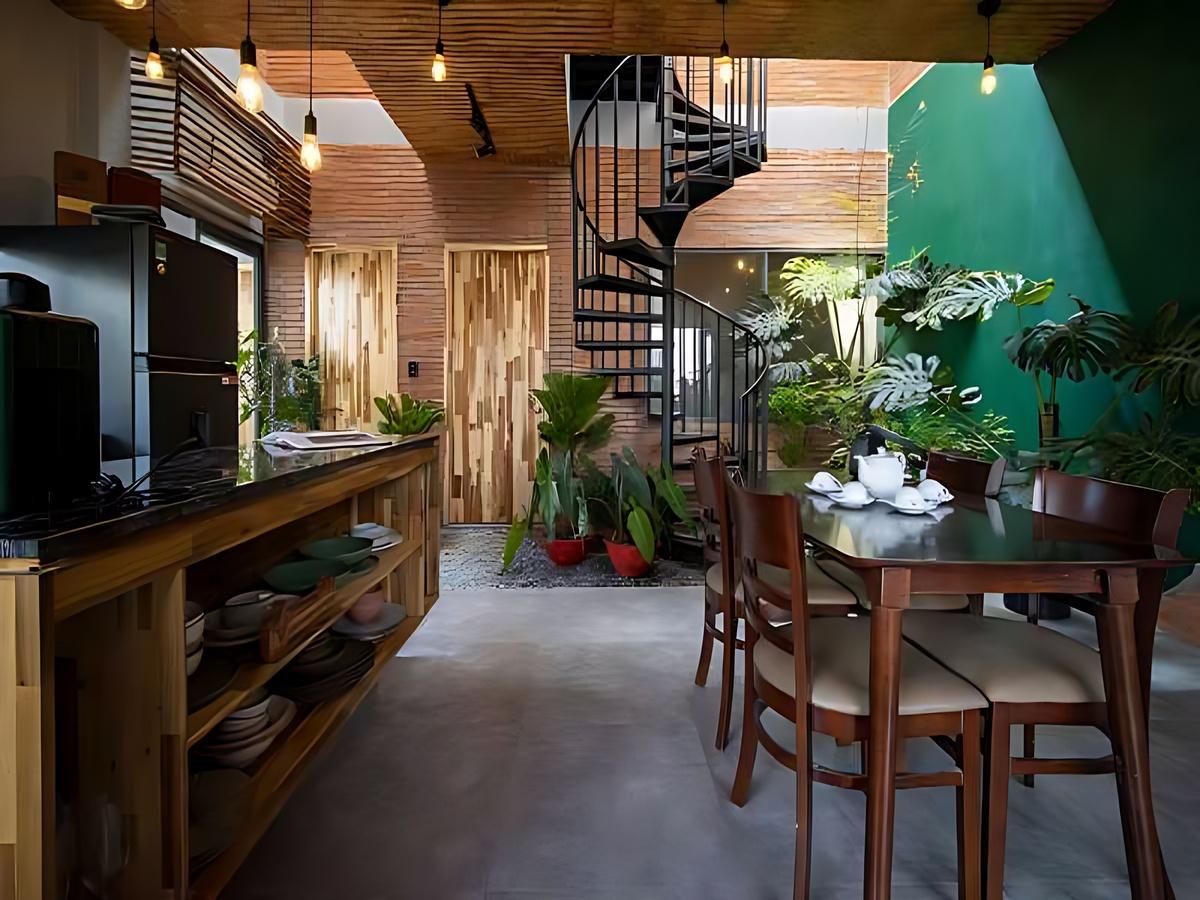
Contemporary living room, minimalist, airy, and utilizing natural light. (Source: Collected)
4.2. Contemporary bedroom emphasizes relaxation
Bedrooms in the Contemporary style aim for gentleness and balance, helping to regenerate energy after a long day. Furniture is simplified, prioritizing low-profile, minimalist designs that still ensure aesthetic appeal. Indirect lighting and soft materials like fabric and wood create a warm feeling, while keeping the space modern and comfortable.
4.3. Notes when applying the Contemporary style
When applying the Contemporary style, it is necessary to avoid overusing too many decorative details or colors that cause imbalance in the space. The design should focus on simplicity and practicality in use. This helps maintain the true spirit of the style. Elements such as lighting, colors, and materials also need to be coordinated harmoniously. This helps the space achieve balance and stability.
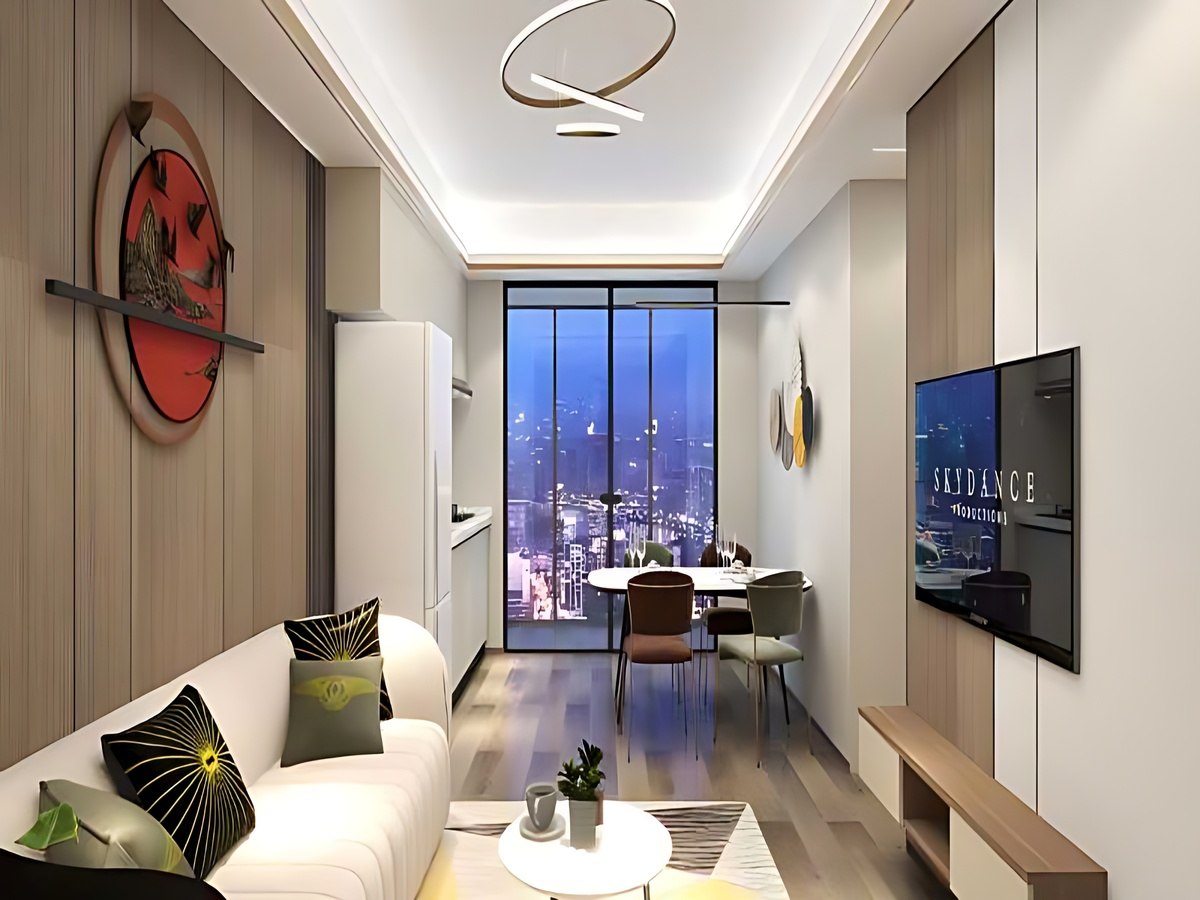
Avoid excessive details and colors to maintain balance in the Contemporary style. (Source: Collected)
When applying the Contemporary style, homeowners need to pay special attention to renovating open spaces. According to the regulations of the amended Construction Law, the dismantling of partition walls to create an open layout must be thoroughly structurally calculated and must not affect the building's general fire prevention and fighting system.
The design should focus on simplicity, practicality, and prioritize the use of high-efficiency LED lighting equipment to comply with energy-saving standards. Furthermore, unifying the overall style from the design stage to completion will help ensure consistency, aesthetics, and convenience for the inspection and acceptance process of the project according to the latest regulations.
Understanding what Contemporary interior design style is will help you easily choose a design direction that suits your needs and modern trends. This is the ideal style for those who love minimalism while ensuring aesthetics and comfort in their living space.