


What is Hecta and the most accurate, easiest way to convert it
In the field of land and construction, many people often hear about the unit hectare but do not clearly understand what a hectare is and how to convert it to square meters. Understanding this unit helps you accurately read land area, planning, and real estate project information.

▲Table of Contents
1. What is a Hectare and its Role in Area Measurement
Land area in agricultural management, forestry, or urban planning is often calculated in hectares. The concept of what is a hectare is associated with a metric unit of area measurement, internationally symbolized as 'ha', and widely used in many land-related fields. One hectare (symbol: ha) is a unit of area measurement equal to 10,000 square meters (m2). Geometrically, 1 ha is equivalent to the area of a square with sides 100 m long. In cadastral surveying, this is the standard unit for describing large-scale land plots where square meters cannot be represented neatly.
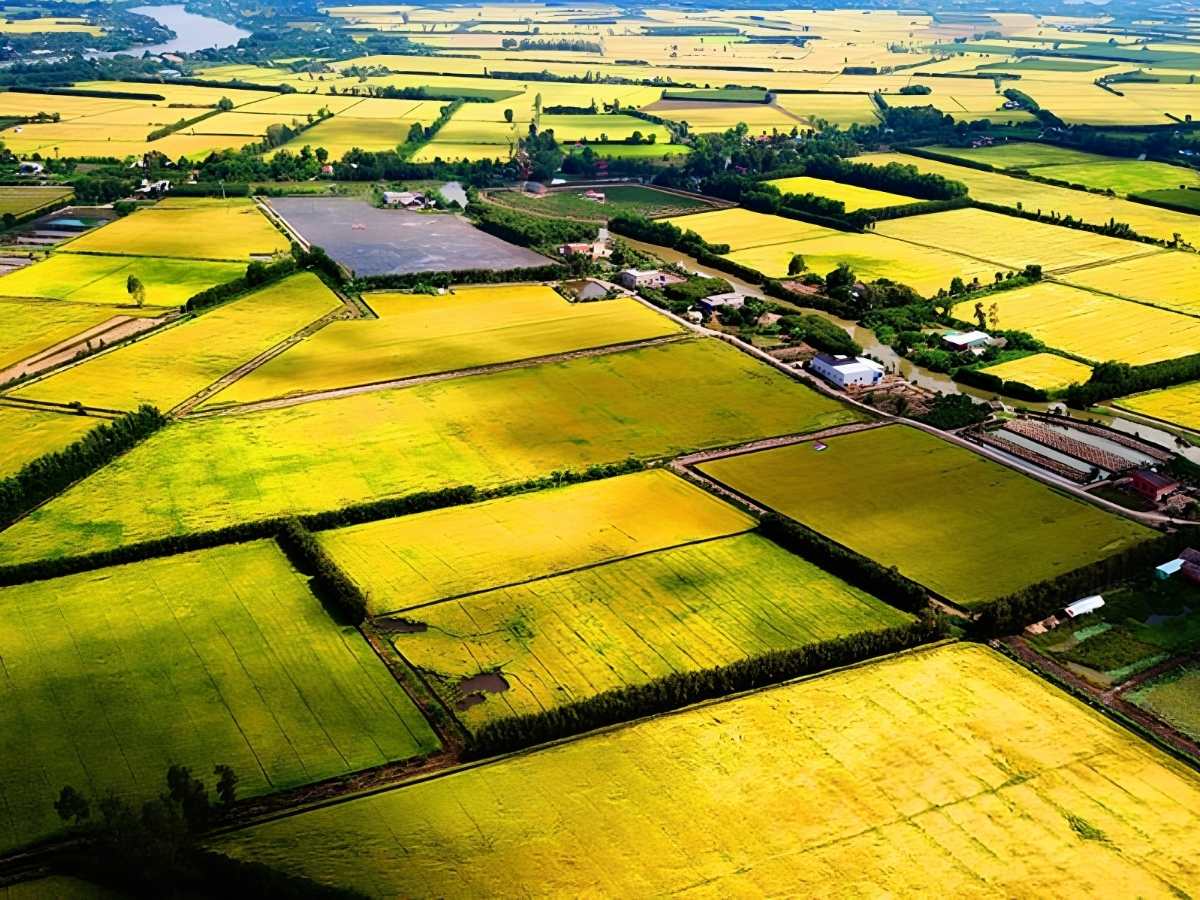
Hectare is a unit of area, equivalent to 10,000 square meters of land. (Source: Compiled)
According to the conversion in the international measurement system, 1 hectare equals 10,000 m² and is equivalent to 0.01 km². Thanks to its much larger size compared to square meters, this unit makes it simpler and easier to represent large land areas in text or planning maps. This is especially useful when describing the area of agricultural land, forests, or large-scale real estate projects.
The origin of the hectare stems from the French term “hectare” and is widely used in the international measurement system. In documents concerning land, planning, and resource management, the unit hectare is often applied to describe large area sizes. The standardization of this measurement unit helps make land management and urban development planning more convenient.
2. How to convert hectares to other area units
2.1. Converting hectares to square meters and square kilometers
In the area measurement system, understanding what a hectare is helps readers easily convert to other units. The basic formulas applied are 1 ha = 10,000 m² and 1 ha = 0.01 km², from which large or small land areas can be conveniently calculated. When converting from hectares to square meters, simply multiply the number of hectares by 10,000.
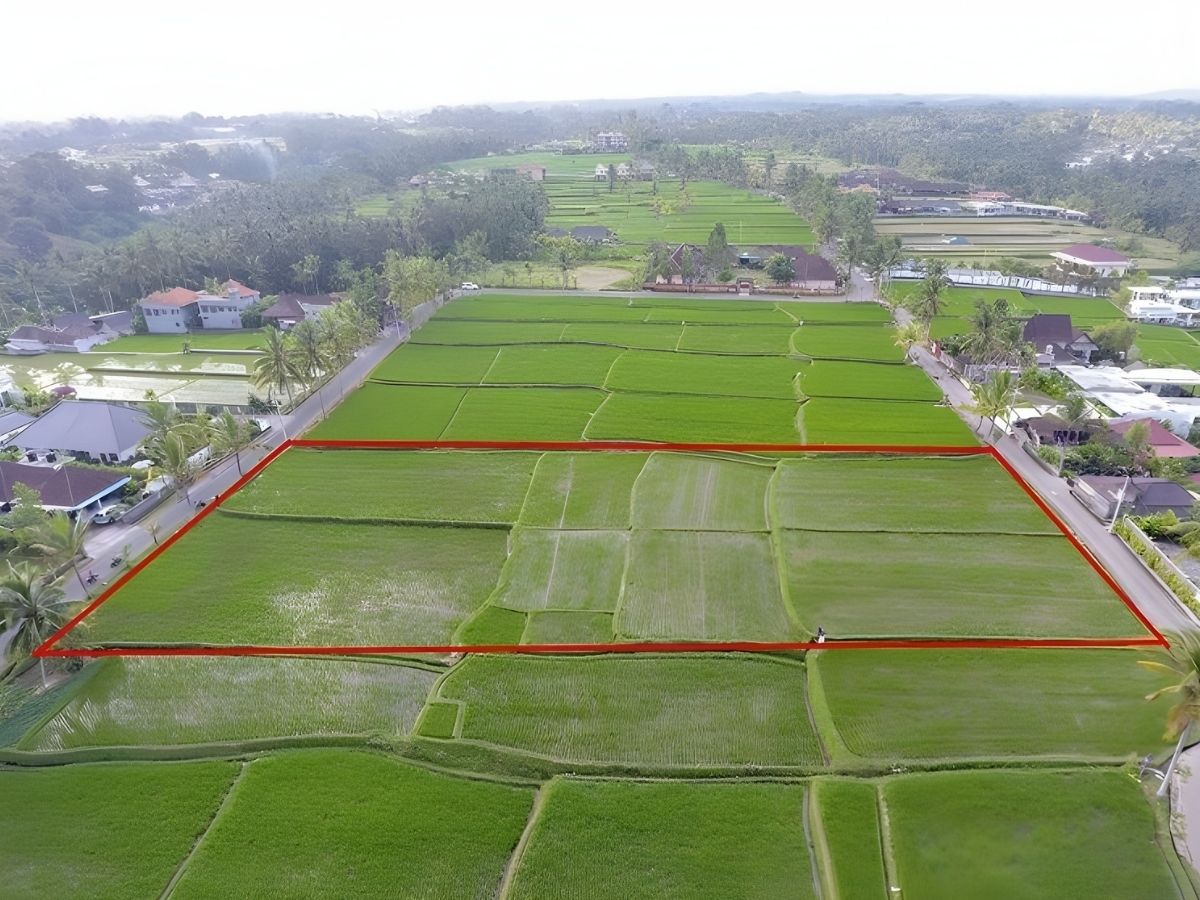
One hectare equals 10,000 square meters and is equivalent to 0.01 square kilometers. (Source: Collected)
Practical examples show that if a plot of land has an area of 5 hectares, the total area is equivalent to 50,000 m². This calculation method is often applied in land planning documents or real estate project area reports. This makes it easier to read and understand large area figures.
Understanding the conversion between hectares and other units helps avoid errors when analyzing land information. In many planning documents or investment reports, areas may be recorded in hectares or km². Clearly understanding the conversion method helps readers accurately assess the scale of the land.
2.2. Converting hectares to sao, mau by region
In the practice of agricultural land transactions in Vietnam, traditional units like sao and mau are still used alongside the metric system. Understanding what a hectare is needs to be accompanied by the ability to convert it to familiar units in each region. However, due to historical and customary differences, the area of a sao of land is not the same in different regions.
Although the national measurement system has been unified, the unit 'sao' is still used in folk usage. The exact conversions are as follows: in the Northern region, 1 sao is typically equivalent to about 360 m², while in the Central region it is about 500 m², and in the Southern region, about 1,000 m². From these conventions, 1 hectare can be equivalent to about 27.8 sao in the North, 20 sao in the Center, and 10 sao in the South. This difference makes it necessary to perform conversions carefully in transactions.
The "mau" unit also has a calculation based on "sao" and varies by region. Typically, one "mau" is calculated as 10 "sao", leading to differences in the area of a "mau" between regions. Understanding these traditional units helps avoid confusion when buying or selling agricultural land or reading land-related information.
2.3. Application of hectare conversion in practice
In many land-related fields, understanding what a hectare is helps in accurately reading and analyzing area information. Maps of urban planning, industrial zones, or tourist areas often announce project areas in hectares to show the overall scale. This allows readers to quickly visualize the land area.

Hectare is commonly used in agriculture, planning, and real estate. (Source: Collected)
In agriculture and forestry, hectares are commonly used to measure the area of cultivated land or forest area. Crop yield or agricultural productivity is also often calculated in tons per hectare. This calculation helps assess the efficiency of land use in agricultural production.
In the real estate sector, hectares are also used to determine the scale of a project's land fund. Urban areas, industrial zones, or tourist areas often have an area of tens or hundreds of hectares. Thus, investors can assess the development potential of a project based on the scale of its land fund.
3. Applications of hectares in real estate and planning
3.1. Hectares in urban planning
In urban planning, understanding what a hectare is is often associated with determining the area of development land. When a project is announced with a scale of 50 ha or 100 ha, this number reflects the total land area planned for the entire urban area. This helps visualize the level of development and the scale of investment for the project.
A large land fund area creates favorable conditions for arranging many categories such as residential areas, parks, schools, and commercial centers. Planning areas by hectare helps planners allocate space reasonably among functional areas. As a result, the urban area can form a synchronized system of amenities.
In addition, the project area also affects construction density and green space ratio. Urban areas with an area of tens of hectares usually have conditions to arrange parks, squares, and internal transportation systems. This contributes to improving the living environment quality for residents.
3.2. Hectares in large-scale project development
In large-scale real estate development, understanding what a hectare is helps assess the scale of a project. Land funds of hundreds of hectares are often used to build integrated urban areas or tourist resort complexes. Large areas allow for the combination of multiple functions within the same zone.

Large-scale projects are usually measured in tens or hundreds of hectares. (Source: Collected)
Real estate development corporations often choose large land funds to build diverse service ecosystems. Urban areas can include housing, commercial areas, hotels, and entertainment spaces within the same project. This planning approach helps increase the potential for land value exploitation in the long term.
Large project areas also create conditions for forming stable resident communities and complete utility systems. When land scale is measured in tens or hundreds of hectares, a project can develop into a center for living and economy in the area. This contributes to enhancing the attractiveness of the real estate market.
3.3. Hectares in agricultural and industrial investment
In the field of agricultural production, what is a hectare calculation is often used to determine the area of farms or cultivation areas. Farm scale is often announced in hectares to reflect the extent of production expansion. This makes it easy to compare different agricultural land areas.
In industrial development, hectares are also used to measure the area of industrial parks or export processing zones. Land areas of hundreds of hectares can be divided into many functional zones for production and logistics. Large areas help create conditions to attract investment enterprises.
Additionally, hectares play an important role in long-term land use strategy planning. Management agencies often use this unit to calculate land funds for agriculture, industry, and urban development. This helps balance economic development needs with land resource protection.
4. Notes on using and correctly understanding the hectare unit in land transactions
4.1. Accurately check the area on the land use rights certificate
In real estate transactions, understanding hectares helps you accurately read information on the Certificate of Land Use Rights, Ownership of Assets Attached to Land (according to the new template of Law on Land No. 31/2024/QH15). Although detailed areas are usually recorded to the nearest 0.1 m2, for agricultural land or project land, the unit of hectare helps investors quickly visualize the overall scale of the asset.
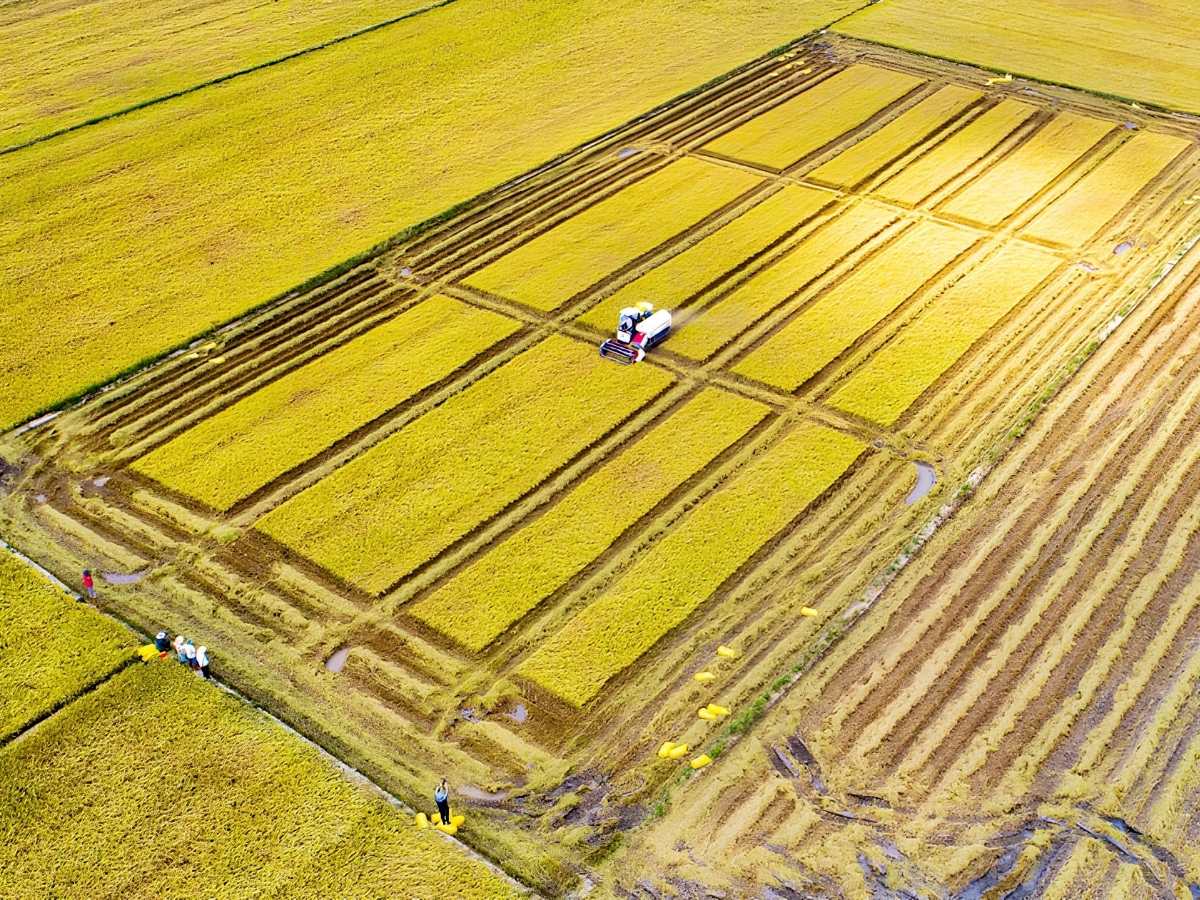
It is necessary to accurately convert hectares when checking the area on the land title. (Source: Collected)
When reviewing land records, it is necessary to compare the area stated on the documents with the actual measured area. If the area is recorded in m², converting it to hectares simply requires dividing by 10,000 to determine the overall scale. This calculation method helps visualize the land area more intuitively.
Checking the area information also helps ensure transparency in transactions. When the figures on the documents match the reality, the process of transfer or land use rights conversion becomes smoother. This is especially important for large land plots.
4.2. Avoid confusion between hectares and traditional units
In many agricultural land transactions, understanding what a hectare is must be accompanied by the ability to distinguish traditional units such as sao and mau. As each region has different conventions, incorrect conversions can lead to significant discrepancies in the actual area. This directly affects the value of land transactions.
For example, the same hectare of land, when converted to sao, may yield different numbers depending on the region. If this difference is not clearly understood, transaction participants may miscalculate the area or value of the land. Therefore, clearly identifying the unit of measurement used is a necessary step.
In land sale and purchase contracts, clearly stating the area in standard units such as square meters or hectares helps limit disputes. Agreement on measurement units helps parties involved in the transaction correctly understand the value of the land. This contributes to ensuring transparency in the real estate market.
4.3. The role of understanding measurement units in real estate investment
In real estate investment, understanding what a hectare is helps investors assess the scale and development potential of a project. Large land areas often allow for the development of multiple components such as residential areas, commercial spaces, or green spaces. This directly affects the value of the project.
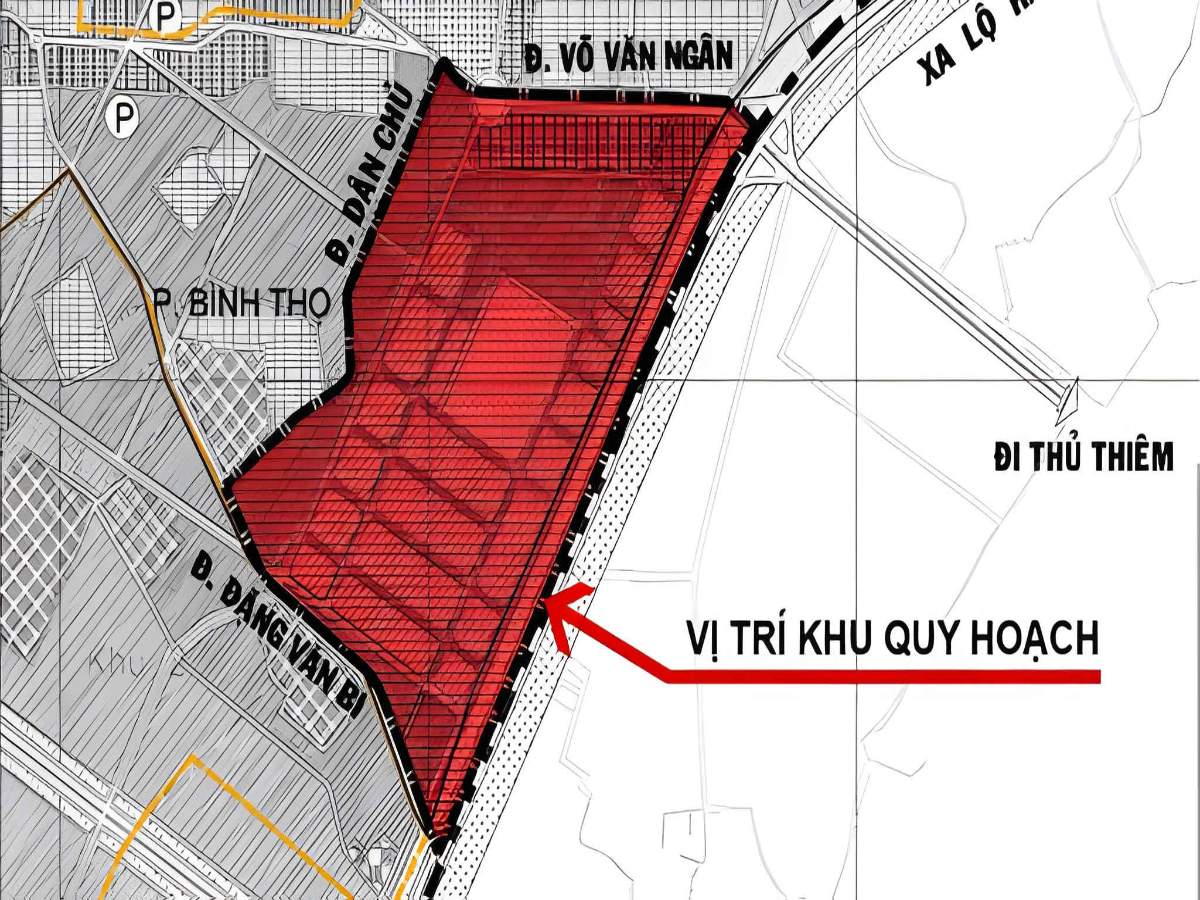
Understanding the unit hectare helps assess the scale and potential of real estate. (Source: Collected)
The ability to read and understand area measurement units helps investors analyze project information accurately. When reviewing planning documents or investment reports, understanding the area scale helps assess long-term exploitation potential. This is an important factor in the investment decision-making process.
Furthermore, a clear understanding of measurement units also supports the negotiation and land valuation process. When areas are accurately converted between different units, determining property value becomes more transparent. This contributes to reducing risks in land-related transactions.
Understanding correctly what a hectare is and how to convert it accurately helps you be more proactive when reading information about planning, land titles, and real estate projects. This is fundamental knowledge to avoid confusion about area and make effective investment decisions.