


What is service land and important things to know
Clearly understanding what service land is, along with accompanying legal regulations, is a key factor that helps investors seize safe profit opportunities. As compensation land with prime locations, this type possesses great commercial potential but also requires buyers to vigilantly assess the reality before investing.

▲Table of Contents
1. What is service land in the land classification system?
1.1. Concept of service land
According to the Land Law 2024 (No. 31/2024/QH15), service land is a type of land allocated by the State to households and individuals whose agricultural land has been revoked for investment projects, when there is no land to compensate with equivalent agricultural land. The purpose of this type of land is to support career change and create sustainable livelihoods through non-agricultural production and business activities.
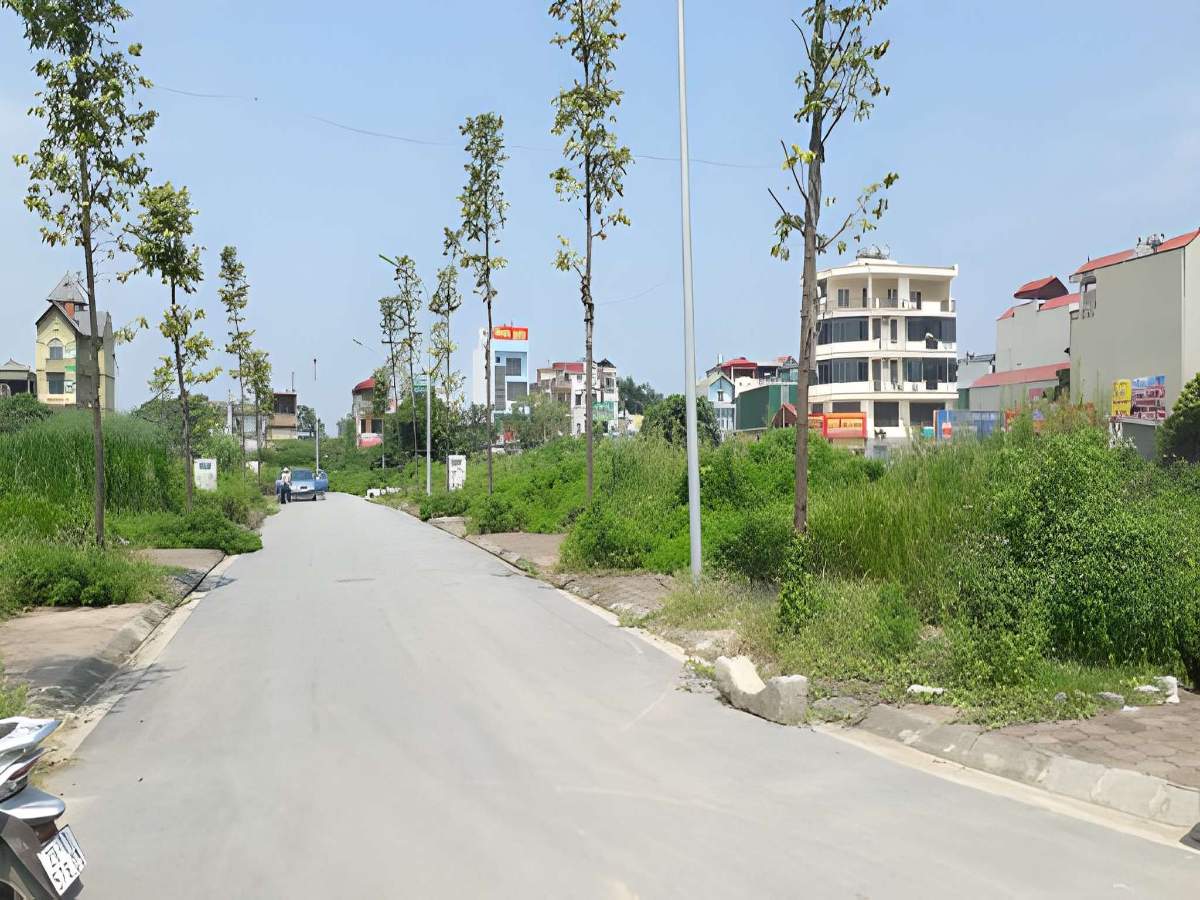
Service land is land allocated after agricultural land repossession to support livelihoods. (Source: Compiled)
In many cases, service land is located in areas with convenient locations for commercial or service activities. The plots are usually planned into separate areas with systems for transportation, electricity, water, and basic infrastructure before being handed over for people's use. This helps create conditions for land recipients to develop their business or change their profession after their agricultural land is repossessed.
1.2. Origin of formation
To clearly understand what service land is, it is necessary to consider the origin and formation of this type of land during the process of urban and infrastructure development. When the State reclaims agricultural land to implement urban area, industrial park, or transport infrastructure projects, residents who lose their production land will be supported with vocational transition. One of the common forms of support is the allocation of service land in newly planned areas.
In reality, many localities choose the form of service land allocation instead of just monetary compensation to help people have opportunities to create new income sources. When allocated land in a favorable location, people can build business establishments, shops, or rent out spaces. This approach contributes to reducing the pressure of career change after agricultural land is recovered.
1.3. Position within the group of land according to regulations
In the land law system, determining what service land is also relates to the classification of land use purposes in the land registry. Depending on local planning and policies, service land can be classified as residential land or commercial and service land. This classification directly affects the owner's construction and usage rights.
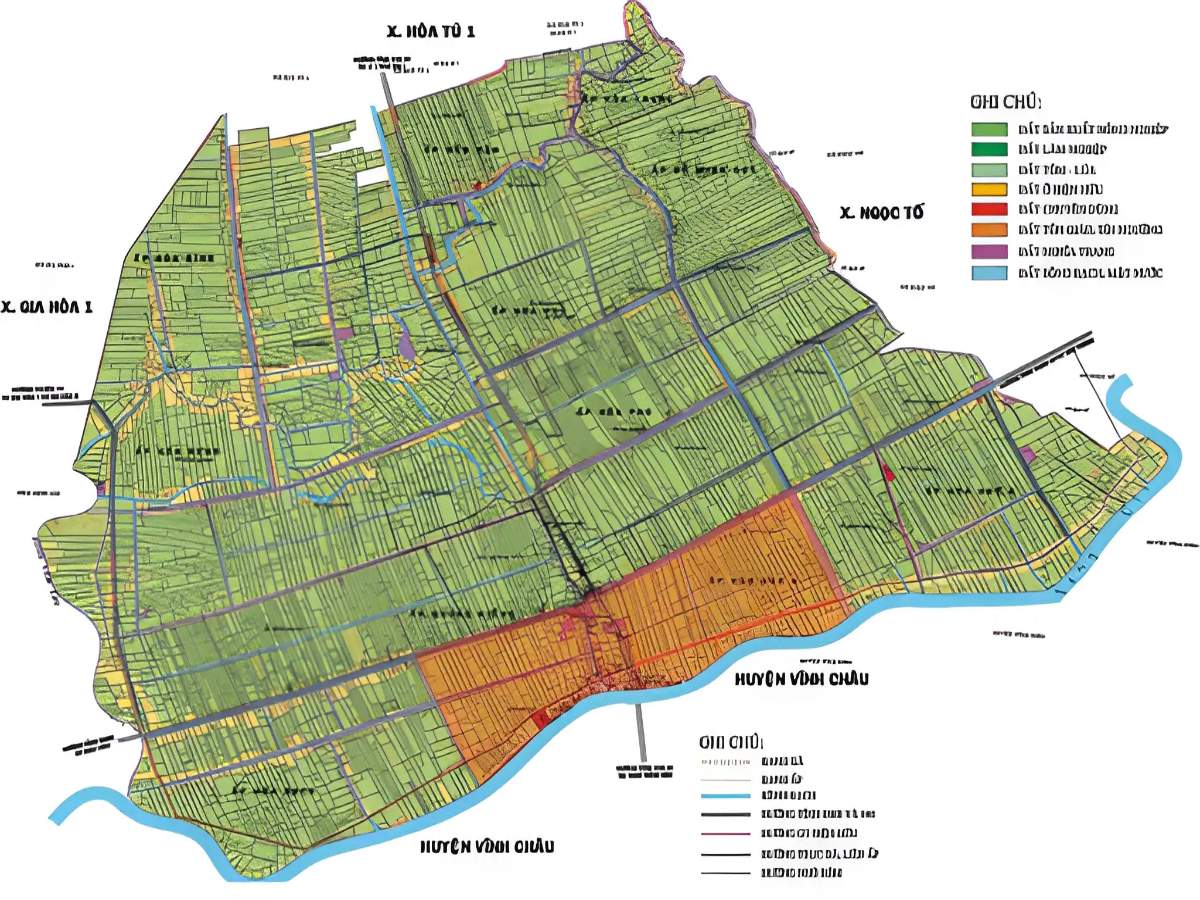
Service land can be residential land or commercial land depending on local planning. (Source: Collected)
If service land is converted to residential land, the user can build long-term housing and conduct transfer transactions according to regulations. Conversely, if it is identified as commercial service land, construction must comply with planning and may have a certain period of use. This causes differences in the value and exploitation potential of each plot of land.
2. Legal characteristics and rights to use service land
2.1. Conditions for certificate issuance
During the process of understanding what is service land, the issue of granting land use rights certificates is often of interest to many people. The issuance of Certificates for service land is currently carried out according to the digitization process of the national land database system. To be granted a certificate, the service land area must meet the conditions according to the Land Law 2024: has completed site clearance, has completed technical infrastructure construction (roads, electricity, water), and the land user has fully fulfilled financial obligations according to the notification from the tax authority. Buyers should prioritize land plots with clear land registry map extracts to shorten the certificate issuance time in the context of administrative procedures in 2026.
In some areas, the issuance of red books for service land may be prolonged due to progress in infrastructure construction or administrative procedures. This results in many service land plots being allocated to residents but not immediately available for transfer transactions. In such cases, users need to wait for the completion of legal procedures before engaging in related transactions.
2.2. Land Use Period
When analyzing what is service land, the land use term is an important factor affecting real estate value. According to Article 172 of the 2024 Land Law, the land use term for service land is clearly stipulated according to the purpose of use. If this land area is planned as residential land and is granted a Certificate of Land Use Rights, Ownership of Assets Attached to Land, people will have stable, long-term ownership. Conversely, if the purpose recorded in the book is commercial or service land, the land use term will be determined according to the project duration or regulations of the Provincial People's Committee, usually not exceeding 50 years but can be extended if there is continued demand.
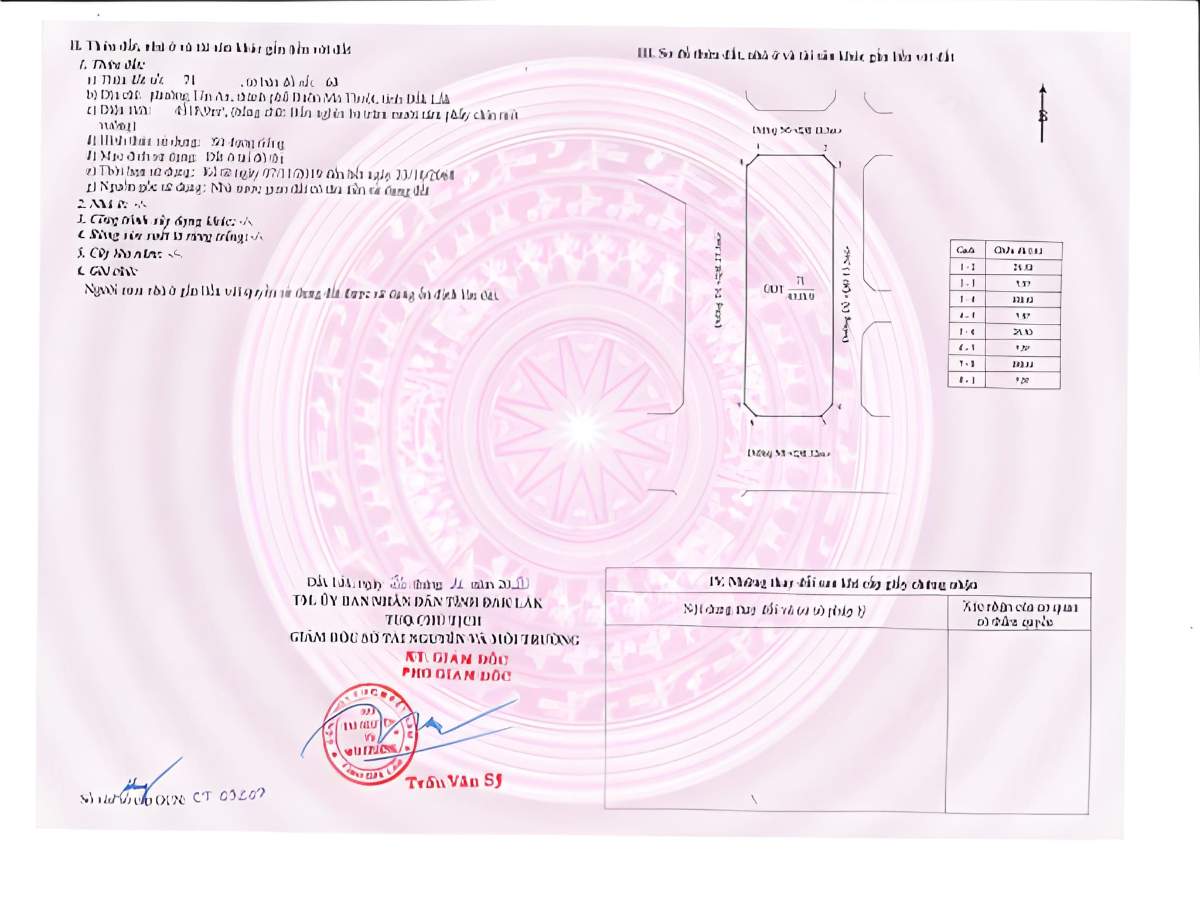
The duration of service land depends on its intended use as stipulated by law. (Source: Collected)
In cases where service land is identified as commercial service land, the usage period can be stipulated in certain cycles. This period usually depends on the planning and policies of each locality. After the usage period expires, the user may have to carry out the extension procedures according to legal regulations.
2.3. Right to construct works
Another factor to consider when learning about what is service land is the right to build structures on the land. Construction depends on the intended use recorded in the certificate and the detailed planning of the area. If the land is identified as residential land, the user can build a house according to local construction regulations.
In the case of service land belonging to the commercial service land group, construction is usually directed towards business facilities such as shops, offices, or service establishments. Owners must comply with the approved construction plan and building density for that area. This helps ensure uniformity in urban development.
2.4. Comparison with land in well-planned urban areas
When analyzing what is service land , it can be seen that this type of land differs from residential land in urban areas developed according to synchronized planning projects. Service land often originates from compensation policies when agricultural land is recovered, therefore the process of land allocation and infrastructure completion can occur in many different phases. This sometimes causes delays in the issuance of certificates or infrastructure completion.
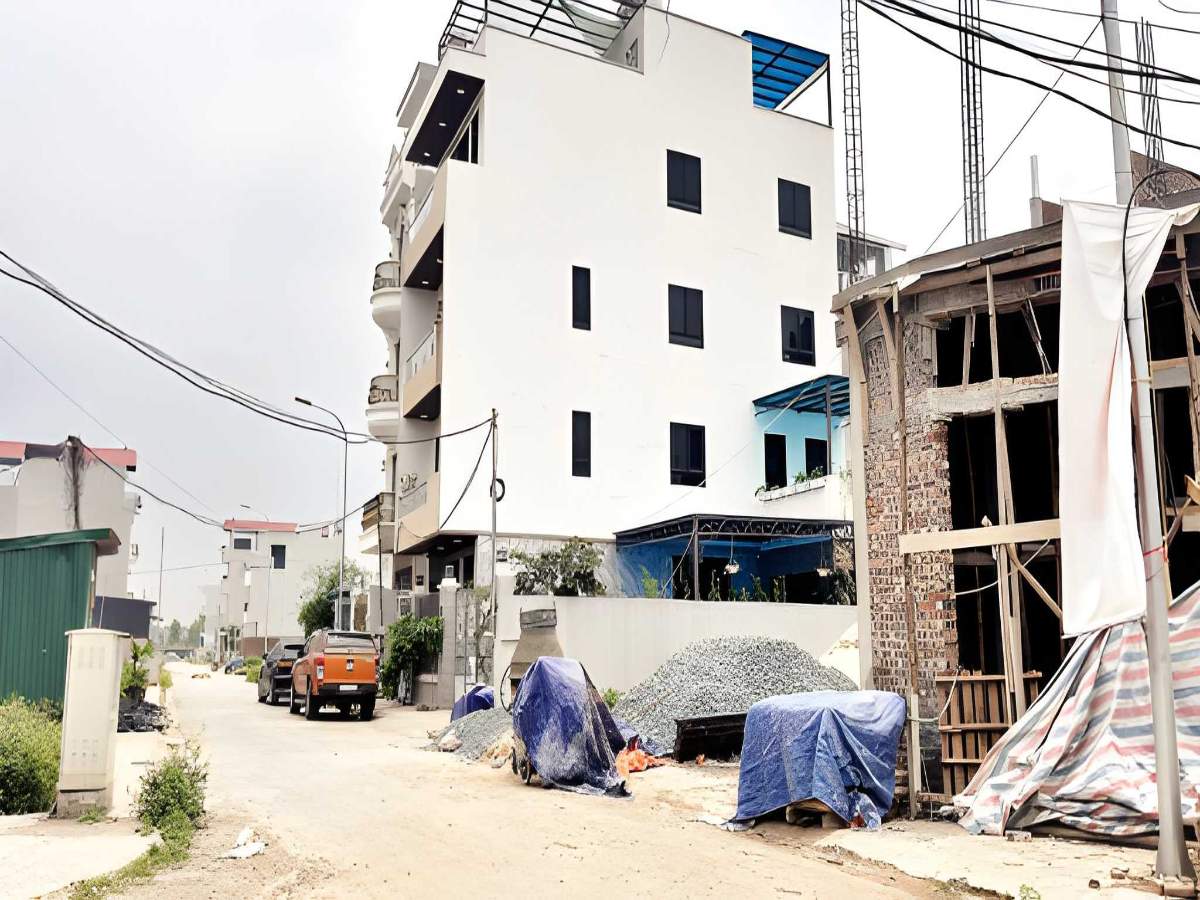
Service land differs from urban land due to unharmonized infrastructure and legal frameworks. (Source: Collected)
Meanwhile, land in planned urban areas is often developed by large investors with complete infrastructure from the outset. These urban areas typically have synchronized planning for internal traffic, public amenities, and green spaces. As a result, buyers can access a clearer living environment and legal status.
3. Advantages and disadvantages of service land
3.1. Location advantages
When learning about what service land is, many investors notice an advantage of this type of land is its location, often near newly formed urban areas or industrial parks. This stems from the fact that service land is planned after agricultural land is reclaimed for infrastructure development or economic projects. As a result, many service land plots have relatively favorable locations for business.
Service land areas are often located near transportation routes or new residential areas, making business or renting out premises more convenient. As the surrounding areas develop, the demand for services also increases. This contributes to creating economic utilization opportunities for service land owners.
3.2. Selling price is usually lower than residential land in the same area
An often-mentioned factor when analyzing what service land is is the transaction price in the market. Due to its specific compensation origin and legal factors, the price of service land is usually lower than that of commercial residential land in the same area. This makes many people interested in this type of land when looking for real estate investment opportunities.
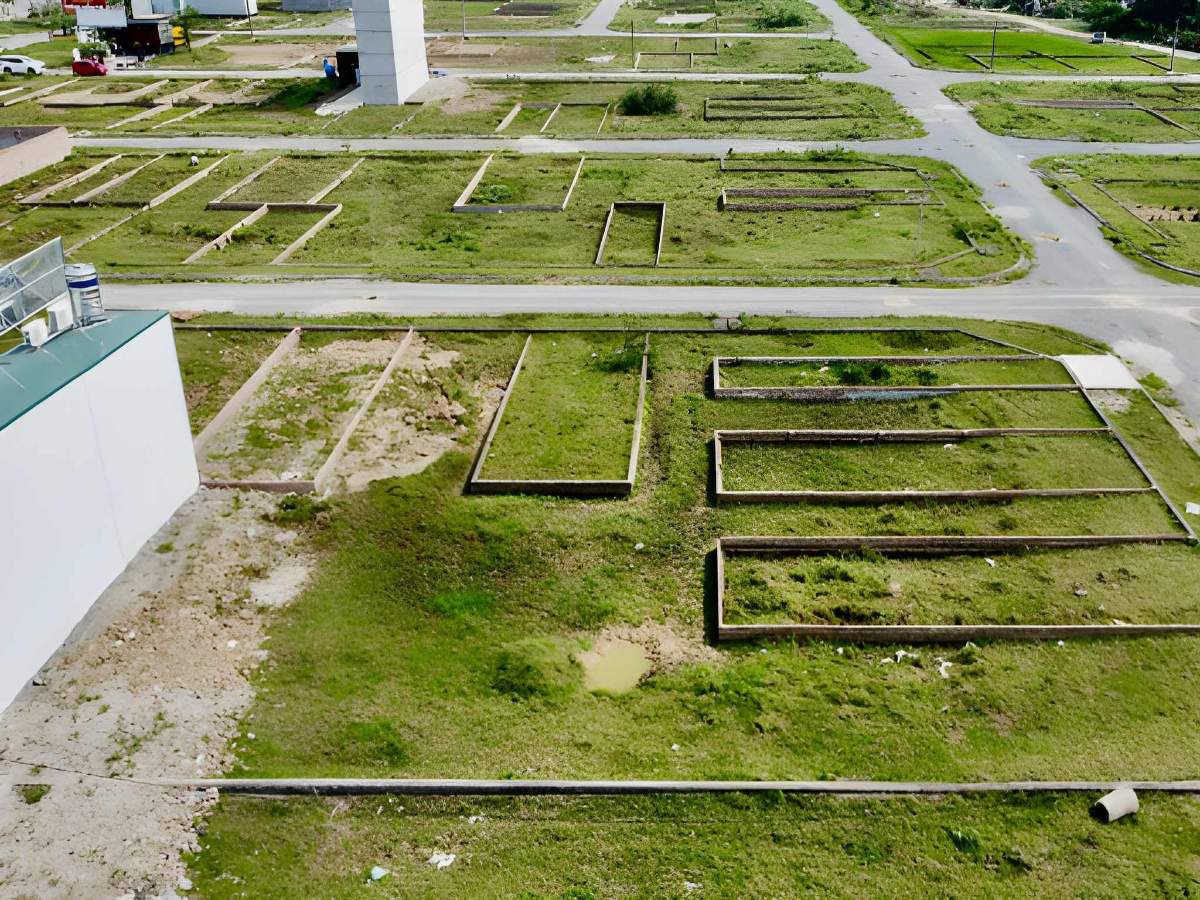
Service land prices are often lower due to legal and infrastructure factors. (Source: Collected)
The lower price may stem from the fact that some service land plots have not yet fully completed legal procedures or infrastructure. As these factors are completed over time, the land's value may change with the area's development. However, the price increase also depends on planning and market demand.
3.3. Legal and planning risks
When researching what is service land, a limitation to note is the legal and planning factors of each plot of land. Not all service land areas are granted a red book (land use rights certificate) immediately after land is allocated to residents. Some cases require waiting for infrastructure completion or administrative procedures before being granted a certificate.
In addition, the construction of facilities on service land must comply with the land use purpose approved in the planning. If the land is identified as commercial service land, then residential construction may be restricted. This requires buyers to carefully check planning information before investing.
3.4. Liquidity depends on infrastructure
In the real estate market, when considering what is service land, the liquidity of this type of land often depends on the level of infrastructure development in the surrounding area. As transportation systems, public utilities, and residential areas are formed, the demand for service land may increase. This helps land values tend to improve over time.
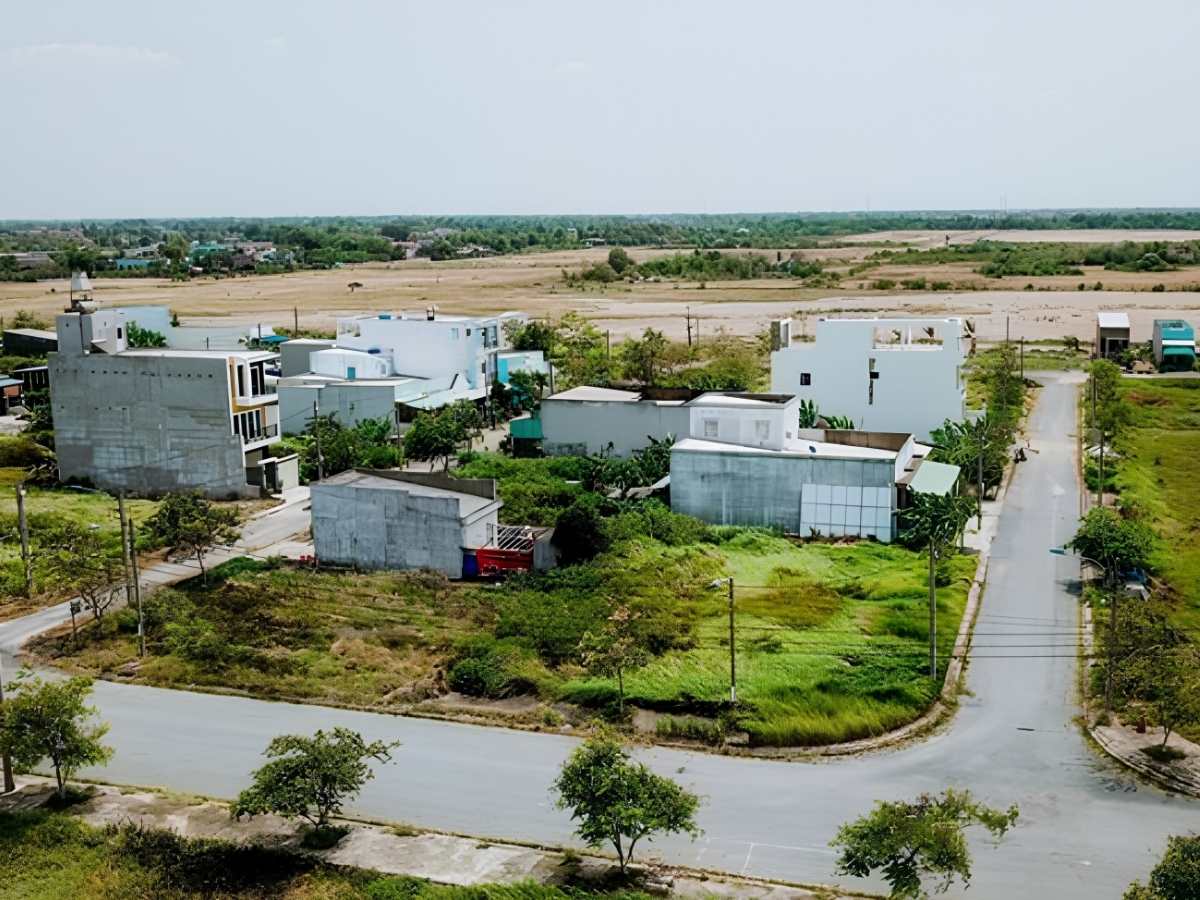
Liquidity of service land depends heavily on the infrastructure and legal framework of the area. (Source: Compilation)
Conversely, if the surrounding area is not yet developed or the infrastructure is not complete, the transaction of service land may encounter difficulties. The value of the land in this case depends heavily on the development progress of the nearby infrastructure project or urban area. Therefore, investors often monitor the area's planning before deciding to buy land.
Furthermore, the liquidity of service land is also influenced by legal factors and the buildability of the land. When a plot of land has a red book (land use rights certificate) and is permitted for construction, its transaction potential is usually more favorable. This indicates a close relationship between infrastructure, legal status, and the market value of service land.
4. Important notes when buying and selling service land
Before making a transaction, buyers need to clearly understand what service land is and verify the information about the land type recorded in the land use rights certificate. Checking the land's purpose helps determine the possibility of constructing buildings or conducting business on the plot. This is particularly important as each locality may have different regulations regarding service land.
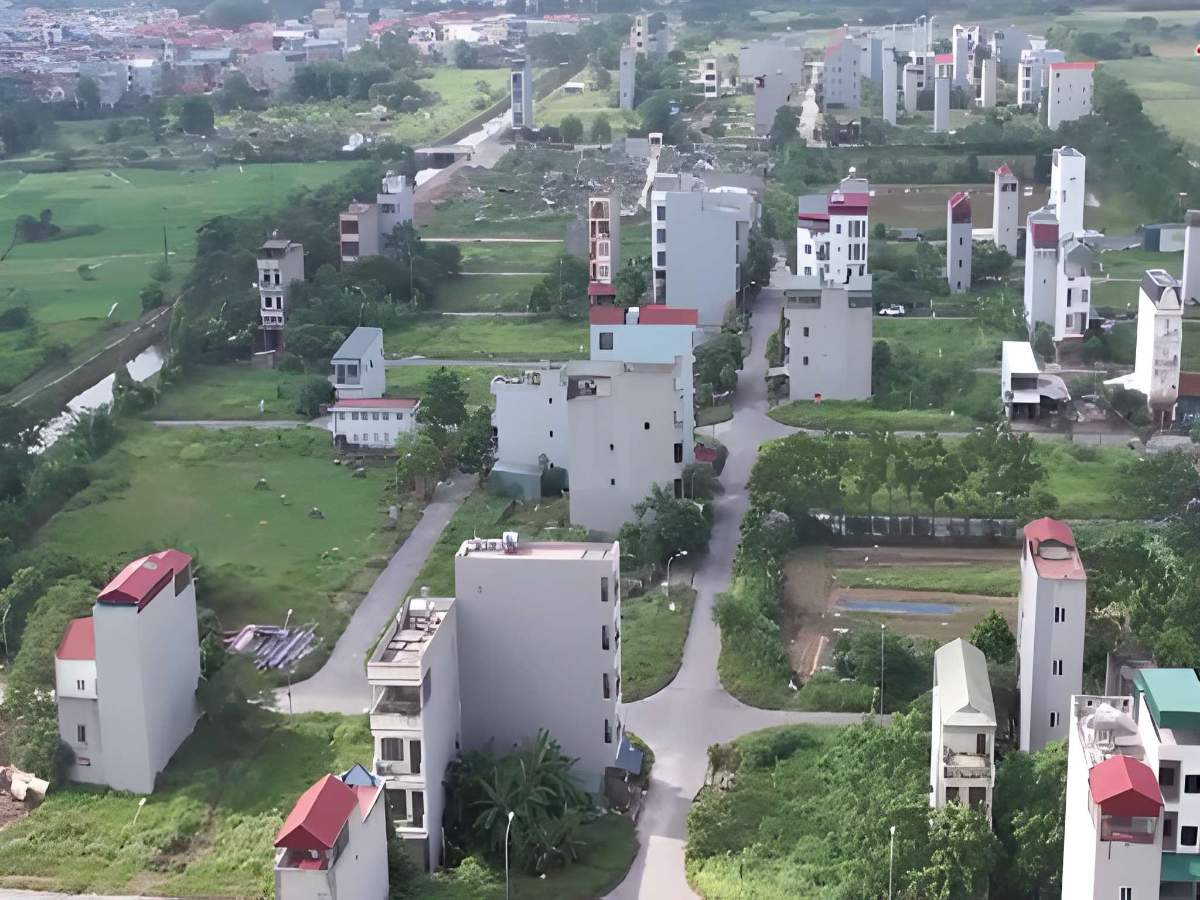
Check legal and planning aspects before buying service land to reduce risk. (Source: Collected)
Furthermore, it is necessary to check the detailed planning of the area to ensure the plot of land is not subject to planning adjustments or construction restrictions. Planning information is usually published at the district-level land management agency or on the local planning data system. Understanding the planning helps minimize risks during land use.
In many cases, buyers choose to invest in service land with a long-term goal rather than expecting short-term price increases. When the surrounding area completes its infrastructure and forms residential areas, land value can gradually increase with urban development. Therefore, choosing an area with a clear development orientation often helps assets maintain stable value over time.
What is service land? This is a type of land with a special origin from compensation policies when agricultural land is reclaimed. By clearly understanding legal regulations and carefully checking the planning, you can effectively leverage investment opportunities and limit risks during ownership.