


What is special about a capital contribution contract for land purchase? Share considerations when signing.
In real estate investment, the form of capital contribution to buy land is becoming increasingly popular thanks to financial flexibility. However, not everyone fully understands land purchase capital contribution contracts to ensure rights and benefits and avoid legal risks during the investment cooperation process.

▲Table of Contents
1. The actual appearance of the capital contribution model in land purchase transactions
1.1. Legal nature of land purchase capital contribution contracts
In practice, capital contribution contract for land purchase is understood as an agreement document between multiple parties to jointly contribute money or other assets for the purpose of investing in and receiving the transfer of a specific land plot according to the agreed purpose. This form demonstrates cooperation between parties to jointly own or exploit the value of the real estate. This is not a normal purchase agreement but has the nature of an investment cooperation.
According to the Civil Code 2015 and current guiding documents until 2026, a capital contribution agreement is an agreement to establish rights and obligations between parties. However, for real estate, this form is strictly controlled by the Law on Real Estate Business 2023. Specifically, parties are not allowed to sign capital contribution agreements to divide land use rights or housing to circumvent capital mobilization when the project is not yet eligible. The contract content must strictly comply with regulations on written form and business conditions to ensure legal validity.
1.2. Distinctive characteristics compared to ordinary sale and transfer
In transactions, a capital contribution agreement for land purchase usually involves many individuals or organizations contributing assets together to achieve a common goal related to real estate. Contributed assets can be money, land use rights, or other assets with convertible value. This creates flexibility in mobilizing investment resources.

Characteristics of real estate capital contribution contracts and benefit sharing. (Source: Collected)
An important characteristic is that the rights of the parties are divided based on the initially agreed-upon capital contribution ratio and are specifically recorded in the contract. The parties share benefits and simultaneously bear risks corresponding to their respective capital contributions. All rights and obligations depend on the initial agreement between the participating parties.
2. Contents of land purchase capital contribution contracts through core clauses
2.1. Defining the roles and limiting the powers of members
The contract needs to establish a transparent authorization system to avoid overlap or abuse of power during the investment process. Instead of just recording personal information, the parties must clearly designate representatives to conduct transactions with landowners, state agencies, and related parties. However, this representative authority must come with specific limitations, such as not being able to unilaterally decide on the purchase price or change the land use purpose without written consent from all remaining capital contributing members.
2.2. Real estate technical specifications and exploitation scenarios
This content requires absolute accuracy regarding cadastral data to protect capital from risks of "ghost land" or area discrepancies. Parties need to clearly state boundary coordinates, land parcel shape diagrams, and the latest planning status provided by competent authorities. Attaching an actual cadastral survey map to the contract will help members cross-reference the consistency between legal documents and the actual field situation, avoiding boundary disputes with adjacent households after payment.
At the same time, the profit realization scenario must be specified with figures and target timelines instead of emotional promises. Parties should agree in advance on the expected price for profit taking or the maximum period for holding assets before being forced to sell. This scenario also includes contingency plans such as leasing the premises or changing the land use purpose to generate cash flow while waiting for prices to increase, helping to optimize capital utilization efficiency for all participating parties.
2.3. Regulations on capital contribution and profit sharing
In financial content, capital contribution contract to buy land must clearly stipulate the amount of capital contribution, the progress of contribution, and the payment method to ensure transparency in financial obligations between the participating parties. Capital contributions can be made in a lump sum or in installments depending on the agreement. This helps the parties be proactive in fulfilling their financial obligations.

Regulations on capital contribution and profit sharing in land purchase contracts. (Source: Collected)
The division of profits or land ownership after the transaction is completed needs to be specifically regulated based on the capital contribution ratio of each participating party. Additionally, the contract must clarify how to handle expenses incurred during the investment process. This content helps ensure the rights and interests of the parties and limit disputes during cooperation.
2.4. Exit strategies and conflict resolution principles
Exit clauses are a safety net to handle personal financial emergencies without derailing the group's overall plan. The contract needs to clearly define the roadmap when a member wishes to withdraw capital, including the advance notice period and the pre-emptive right of the remaining members to buy back that capital stake at market price or an agreed price. Establishing a formula for valuing the contributed capital stake at the time of withdrawal will help the parties avoid prolonged disputes over asset value, ensuring internal liquidity occurs quickly and fairly.
3. Legal barriers and risk management strategy
3.1. System of directly governing legal regulations
Legally, the land purchase capital contribution contract is directly governed by the Civil Code 2015, the Land Law 2024, and especially the Real Estate Business Law 2023. According to new regulations, capital contribution between individuals to purchase land outside of projects still follows civil agreements. However, if contributing capital to real estate projects, the capital mobilizing party may only proceed when they have received a notification of eligibility for capital mobilization from the provincial housing management agency. Clearly identifying the applicable law helps parties avoid contracts being declared void due to violation of prohibitive provisions.
In addition, the Land Law 2024 brings significant changes regarding the issuance of Certificates and the rights of land users, directly affecting contract execution. From 2025, the registration of multiple names on the Land Use Right Certificate (if parties agree to co-register when contributing capital) will be regulated more clearly and conveniently. Parties need to note the updated regulations on new market-based land price lists to accurately value contributed assets, avoiding future tax and transfer fee risks.
3.2. Potential loopholes causing damage to investors
In reality, the biggest risk currently is investing in 'land plots' or 'off-plan housing' when the project has not yet completed legal procedures. According to the Real Estate Business Law 2023, developers are not allowed to collect money from customers in the form of deposits or capital contributions exceeding the prescribed ratio when there is no construction permit or land use rights documents. If the contract is signed at a time not permitted by law, the capital contributor will face the risk of losing their assets entirely or dealing with prolonged legal proceedings due to the contract being void from the moment of signing.
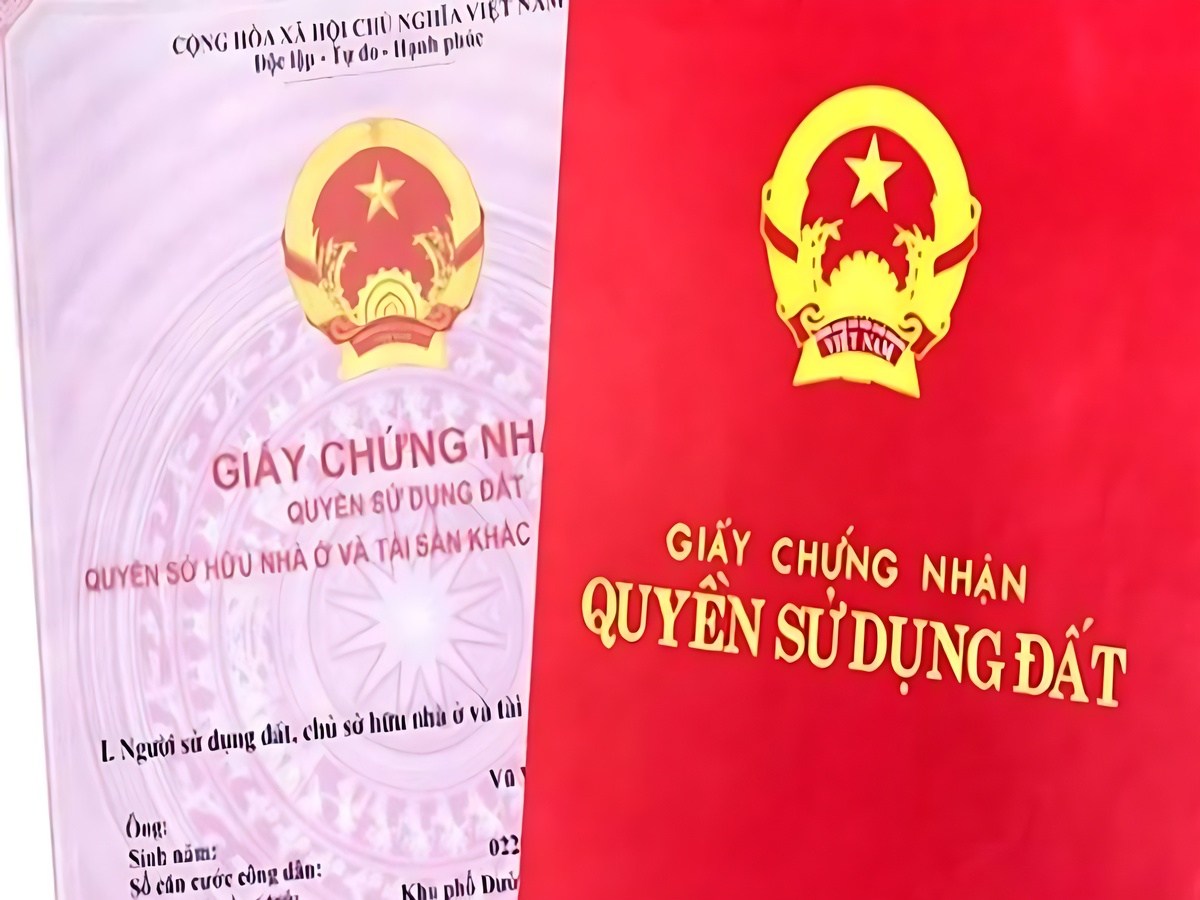
Common risks in land purchase capital contribution contracts. (Source: Collected)
Besides, failing to anticipate risks related to costs or financial obligations can also cause difficulties in the process of implementing capital contribution contracts. Disputes often become complicated if there is no clear legal basis. Identifying risks helps parties proactively avoid them when participating in transactions.
3.3. Verification Process and Establishing Capital Security Measures
To mitigate risks, the content of the land purchase capital contribution contract needs to be drafted in detail and clearly, with full clauses related to the rights, obligations, and profit-sharing methods among the parties. Drafting the contract in writing helps create a solid legal basis when disputes arise. This is an important factor in ensuring transaction safety.
4. Practical Skills When Signing a Land Purchase Capital Contribution Contract
4.1. Criteria for Identifying Reliable Partnering Entities
In the process of cooperation, a capital contribution agreement for land purchase needs to be made with partners who have financial capacity and transparent transaction history to ensure the ability to fulfill capital contribution obligations. Choosing suitable partners helps minimize risks during the investment process. This is a crucial factor determining the effectiveness of the capital contribution transaction.

Choosing a reputable capital contribution partner when investing in land purchase. (Source: Collected)
Additionally, assessing the reputation and capacity of partners helps ensure stability during the cooperation process and limits disputes arising from financial obligations. Information about transaction history and reputation needs to be carefully reviewed before signing the contract. This contributes to enhancing the safety of the transaction.
4.2. Techniques for establishing language barriers and contract structures
The first step in negotiation skills is to strictly control the concepts and definitions used in the text to avoid ambiguity. The parties need to agree on a set of standard keywords regarding timeframes (working days or calendar days), types of taxes and fees (who bears income tax, who bears registration fees), and the conditions for triggering violation penalties. Next, an equally important skill is to design supplementary appendices for situations of market fluctuations or changes in state planning. Instead of a rigid contract, the signatory needs to proactively include extended clauses, allowing for adjustments to the investment plan when force majeure factors affect the land's value.
4.3. Process of storing and formalizing transaction documents
During the transaction process, the land purchase capital contribution contract must be fully stored along with related documents such as capital contribution confirmation and payment documents to serve as a legal basis in case of disputes. These documents help parties easily reconcile information during contract execution. Storing records enhances transaction control.

Store complete contracts and documents in land purchase capital contribution transactions. (Source: Collected)
Additionally, keeping records also supports legal procedures related to transaction verification when necessary in practice. Documents need to be organized systematically for convenient lookup and use. Lack of records can cause difficulties in protecting the legal rights of the parties when disputes arise.
Clearly understanding the land purchase capital contribution agreement will help you be more proactive in the investment process and minimize legal risks. When preparing thoroughly and choosing the right partners, this method can bring attractive profits and effective real estate ownership opportunities.