


What is the difference between a garden house and a villa, and how to distinguish them in detail?
In the trend of green living, many people wonder how a garden house differs from a villa when choosing a living space. Each type has its own characteristics regarding design, area, and cost, suitable for different needs and lifestyles. If you also have the same question, please see the analysis below.

▲Table of Contents
1. Comparison of garden houses and villas based on concept and characteristics
1.1. Concept of garden houses in residential architecture
This model is understood as a residence attached to a large plot of land, with a garden and green space surrounding it. This type of house prioritizes closeness to nature, creating an airy living environment and separating it from crowded urban spaces. Garden houses often appear in suburban or peripheral areas where land is abundant.
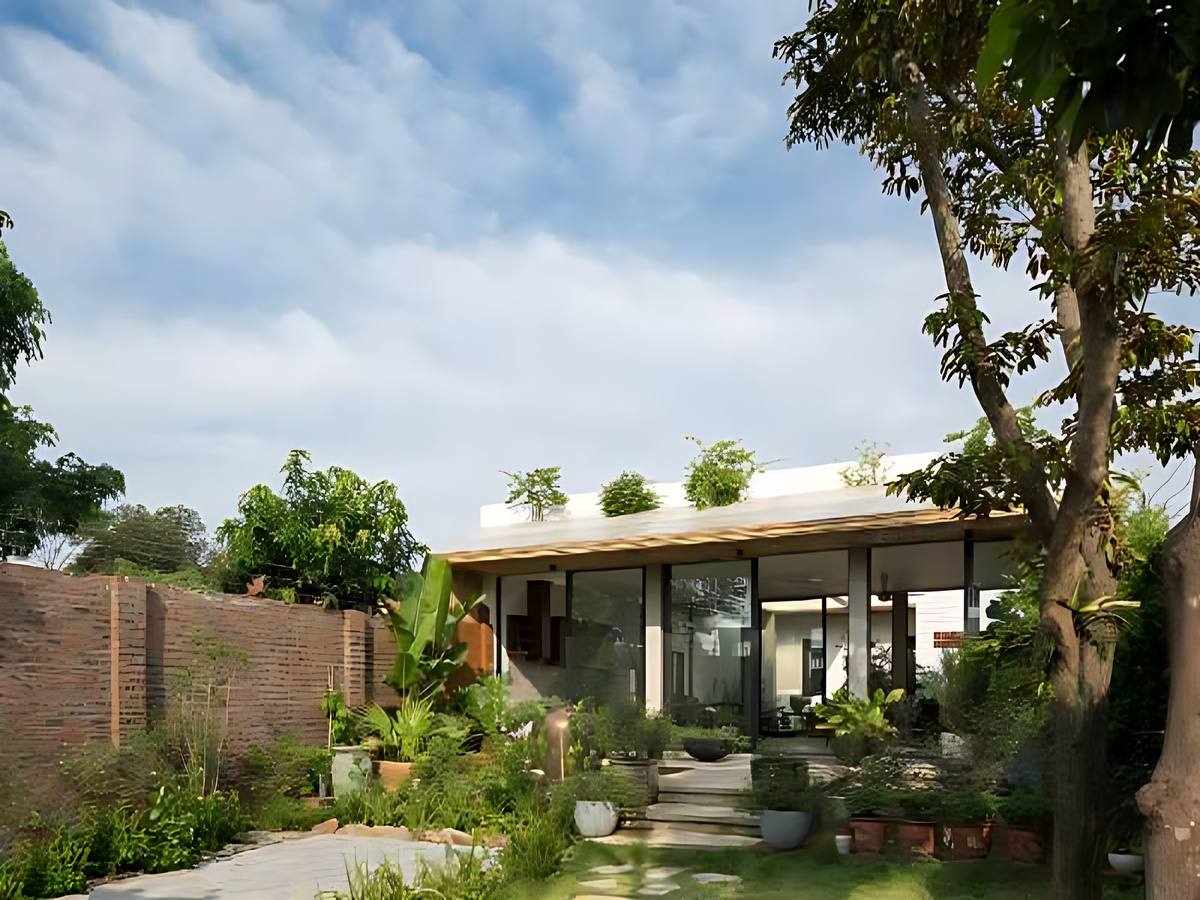
Garden house is a dwelling with a spacious garden, close to nature. (Source: Compiled)
Garden houses are often designed with an open concept, utilizing natural light and arranging many green plants to create a balance between living space and the surrounding environment. The architecture of a garden house is not too elaborate but focuses on convenience and a sense of relaxation in daily life. Additionally, this type is suitable for vacationing or long-term living in a quiet environment, less affected by high population density.
1.2. Concept of a villa in real estate
When analyzing how garden houses differ from villas , it is necessary to understand that a villa is a type of high-class residence built on a separate plot of land, with an independent design and emphasis on architectural elements. A villa is a type of high-class residence built on a separate plot of land, with an independent design and emphasis on architectural elements. According to housing design standards in 2026, villas must ensure a construction density of no more than 50% of the land area to allocate space for fences, gardens, and private pathways. This type of housing is common in urban areas or harmoniously planned projects, where regulations on building setbacks and landscaping are strictly enforced to ensure absolute privacy.
Villas are often designed with high requirements for aesthetics, functionality, and comfort to serve the long-term living needs of a family. The structure can adopt various architectural styles such as modern, neoclassical, or combine many design elements to create a unique highlight. Furthermore, villas are also considered a high-value real estate type, associated with investment potential and asset accumulation over time.
1.3. Similarities between garden houses and villas
Both garden houses and villas have larger areas compared to townhouses and are built on separate plots of land. This helps create a spacious living environment and separation from the surrounding environment. In addition, both types have gardens or green spaces to enhance aesthetics and improve the living environment.
2. Differences between garden houses and villas in design and function
2.1. Differences in architecture and style
When analyzing how garden houses differ from villas, architecture is the factor that clearly shows the difference between these two types. Garden houses usually have a simple design, are close to nature, and do not focus too much on complex decorative details. This architectural style aims for lightness and is suitable for the surrounding environment.
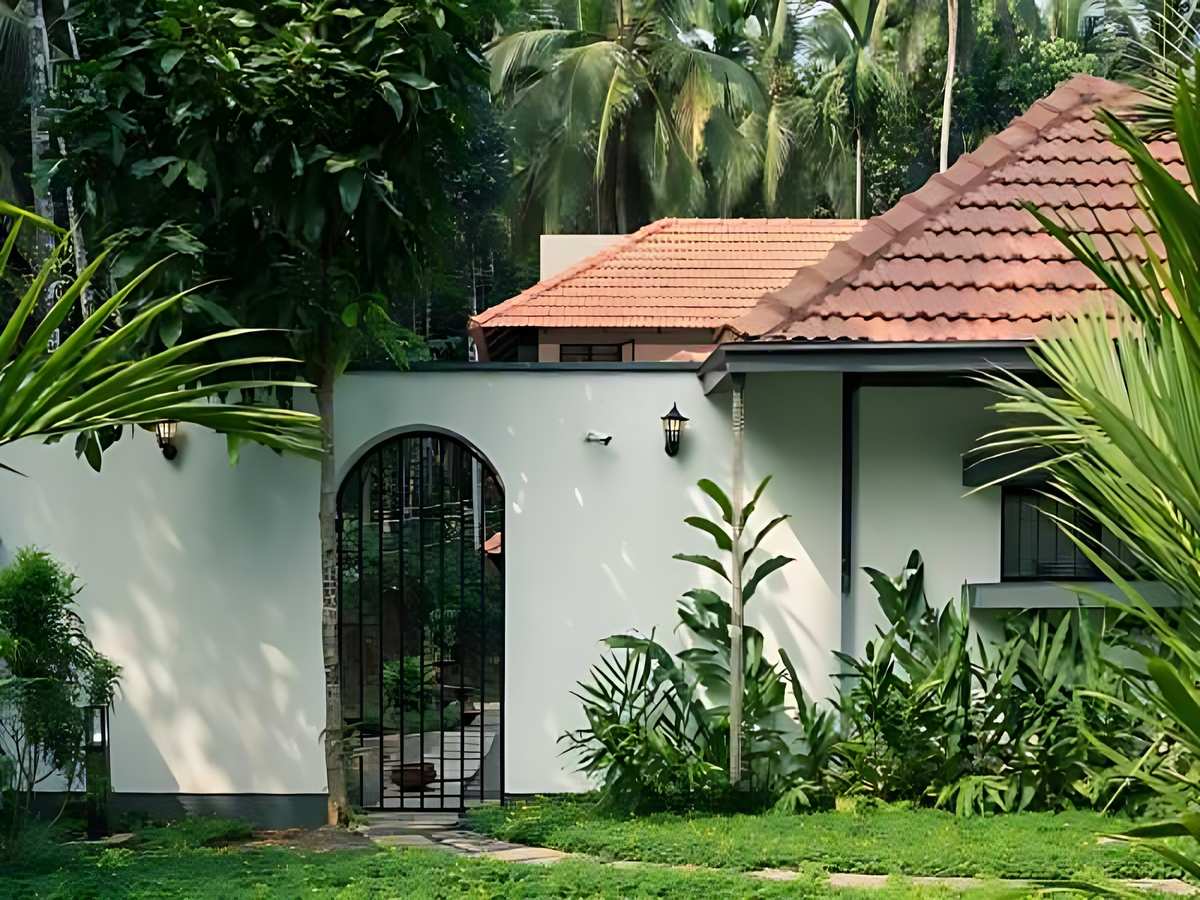
Simple, cozy garden house. (Source: Collected)
Meanwhile, villas in 2026 are often designed with high requirements for form and proportion according to the National Standard for Individual Housing. The project not only expresses personal style but must also integrate smart home solutions (Smart Home) and energy saving. Villas typically range from 2 to 3 stories, focusing on interior luxury and sophistication in exterior structure, creating a symbol of status and sustainable real estate value.
2.2. Differences in Scale and Area
When learning how garden houses differ from villas, scale and area are factors to consider. Garden houses usually have very large land areas but extremely low construction density, typically occupying only 10% to 20% of the total land area. The majority of the remaining space is maximally prioritized for cultivating fruit trees, water features, and natural ecosystems. This creates a "nurturing" living environment where humans truly immerse themselves in nature, completely different from the intentional "arrangement" of urban villa landscapes.
Although villas also have large areas, they are usually planned within urban areas with land areas clearly divided into plots. The construction area of a villa typically occupies a certain proportion of the total land area, ensuring a balance between living space and landscape. This difference reflects the spatial organization and purpose of use of each type in practice.
2.3. Difference in Functional Use
When evaluating how a garden house differs from a villa, functionality is an important factor that helps distinguish the two types. Garden houses often serve the purpose of vacationing, relaxation, or living in a quiet environment. The space is designed to optimize the living experience close to nature.
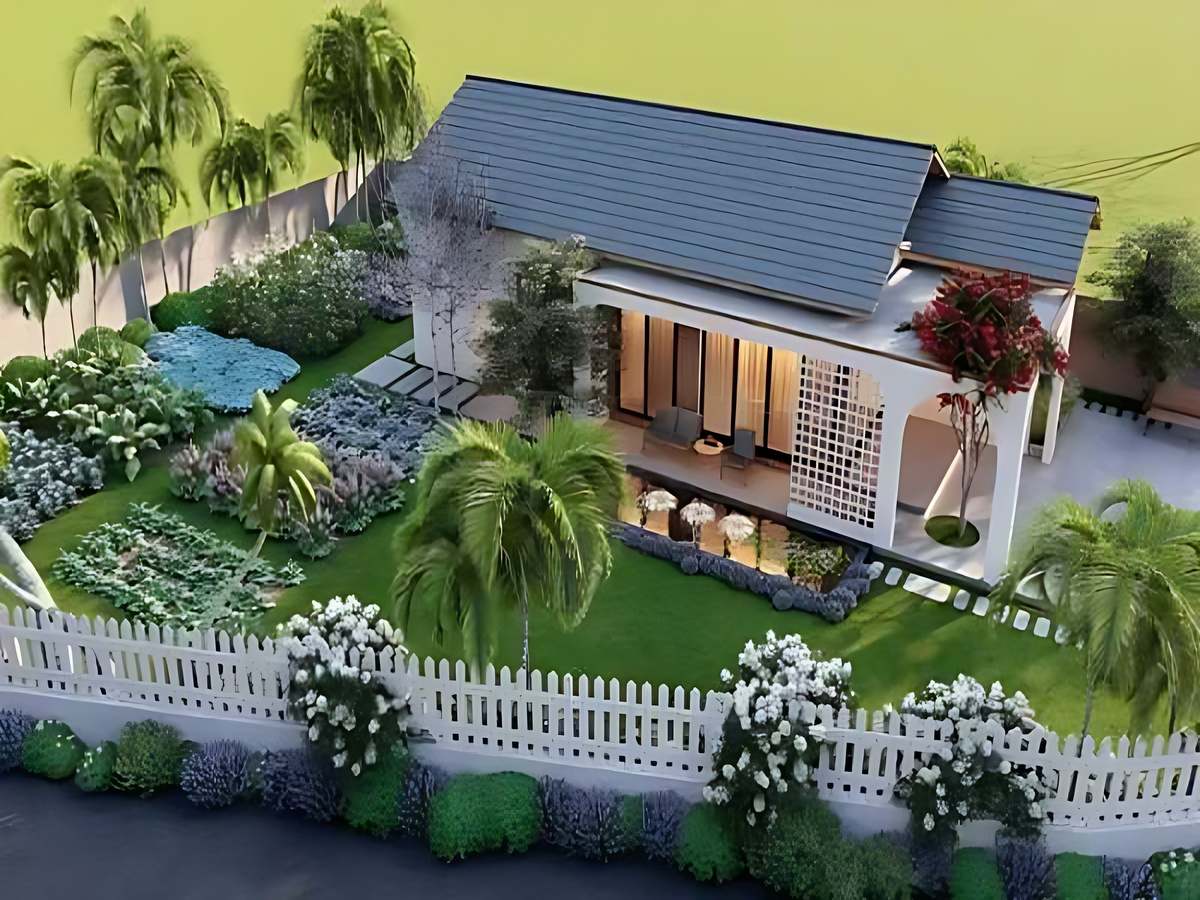
Garden resorts focus on leisure. (Source: Collected)
Meanwhile, the villa is built to serve long-term living needs with full modern amenities. The villa's functionality includes many functional areas such as a common living room, a study room, or an entertainment area to meet the diverse needs of the family.
This difference shows that the villa focuses on luxurious comfort with specialized functional areas such as a Gym room, a home cinema, or a wine cellar. In contrast, the 2026 garden house aims for healing value (Healing Home), where the functionality revolves around outdoor activities such as a BBQ area, a meditation garden, or a bio-pool, meeting the need for energy regeneration after stressful work periods.
2.4. Differences in construction and investment costs
When analyzing how garden houses differ from villas, cost is a factor that clearly shows the difference between the two types. Garden houses can be flexible in construction costs depending on the scale and level of investment in architecture and interior design. This helps them suit various user groups.
In contrast, villas typically have higher construction and investment costs due to requirements for design, materials, and accompanying amenities. Besides construction costs, the maintenance and operation of villas also require a larger budget during use. This makes villas often suitable for customer groups with stable financial capacity and high-end living needs.
3. Advantages and disadvantages of garden houses and villas
3.1. Advantages and disadvantages of garden houses
Objectively, garden houses have advantages in terms of green and airy living space. A living environment close to nature helps improve air quality and creates a relaxing feeling. This is suitable for people who love tranquility and closeness to nature.
However, garden houses may have limitations in amenities if not adequately invested in infrastructure and interior design. Some areas where garden houses are built in the suburbs may lack public utilities and daily life support services. Additionally, managing and maintaining large garden areas requires certain time and costs during use.
3.2. Advantages and disadvantages of villas
When analyzing how a garden house differs from a villa, it can be seen that villas have advantages in terms of comfort and aesthetic value in design. The project is invested systematically with full functionality and suitable living space for the family. This helps to improve the quality of life in a modern environment.
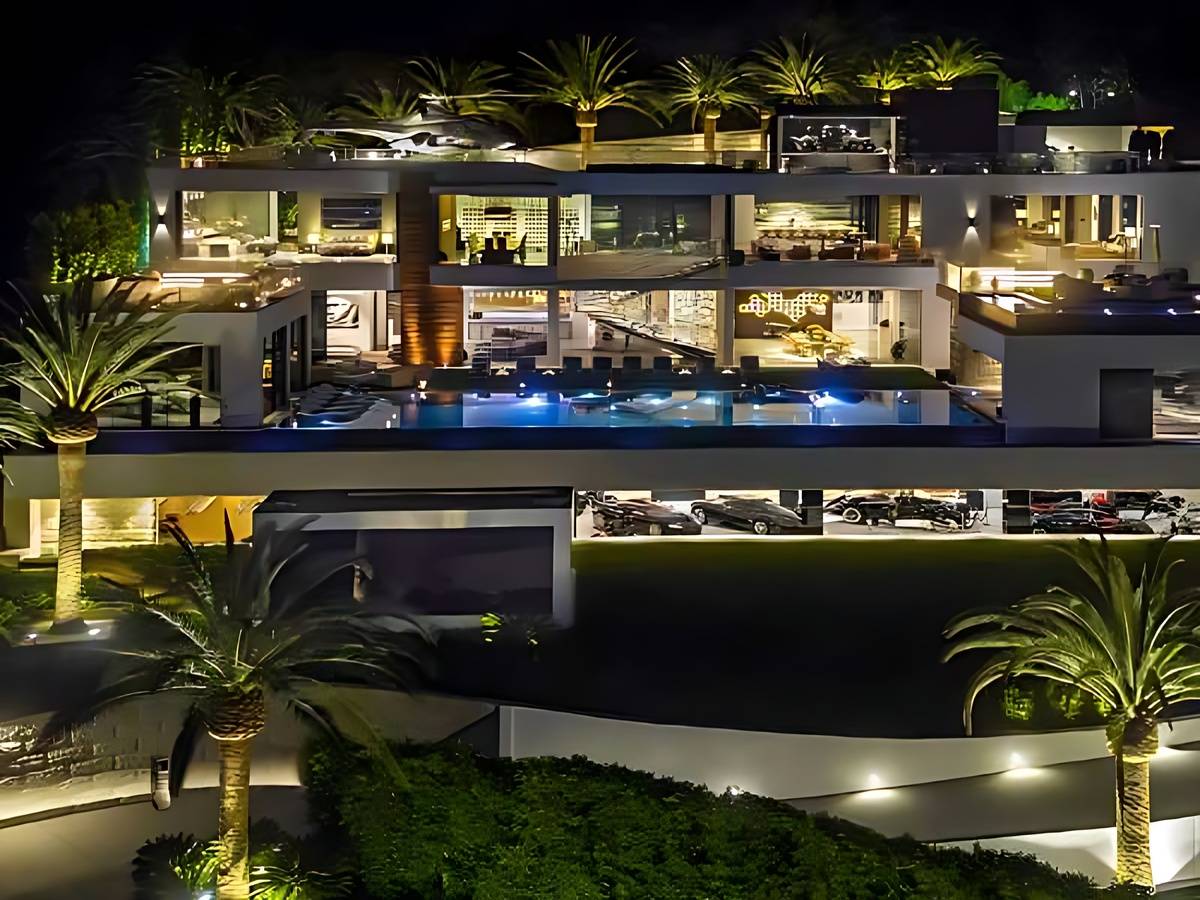
Villas are comfortable and aesthetically pleasing, but construction and maintenance costs are high. (Source: Collected)
However, the construction and maintenance costs of villas are often higher than many other types of housing. Operating and maintaining the amenities also requires stable financial resources over the long term. Additionally, villas in urban areas may be affected by population density and surrounding space if the planning is not reasonable.
4. Considerations for choosing between a garden house or a villa
4.1. Determine actual usage needs
Users need to consider whether the purpose is long-term living or vacationing to choose a suitable housing model. This helps guide design and investment effectively. Additionally, the number of family members and living habits also influence the decision between a garden house and a villa.
4.2. Balancing the investment budget
When considering how a garden house differs from a villa, the investment budget is a factor that needs careful consideration. Construction and maintenance costs need to be calculated based on the actual material and labor prices in 2026. For villas, homeowners need to budget additionally for smart operating systems and urban area management fees. For garden houses, the initial construction cost may be lower but requires long-term investment in caring for extensive green spaces and landscapes to prevent deterioration over time.

Balancing the budget helps in selecting suitable garden houses or villas. (Source: Collected)
Garden houses can be flexible in cost depending on their scale and design, while villas typically require a higher and more stable investment. Additionally, the long-term value of the property also needs to be considered when making a decision. Reasonable budget balancing helps optimize investment efficiency and suits the usage goals of each family.
4.3. Selection of Location and Living Environment
Garden houses are usually suitable for suburban areas or outskirts where there is ample space and a quiet environment. This helps create a living condition close to nature. Meanwhile, villas are typically located in urban areas or high-class residential areas with complete infrastructure and amenities.
Thus, the article has explained how garden houses differ from villas. Each type has its own advantages; the important thing is to choose the living space that suits your style and long-term usage goals. Additionally, everyone should remember to save useful tips for choosing the right house type.