


What is the impact of a river bridge on land prices?
The impact of river crossing bridges on land prices is usually very evident when transportation infrastructure helps connect areas, promotes urbanization, and increases real estate demand. However, not all areas that benefit from new bridges have sustainable growth potential.

▲Table of Contents
1. Why do river crossing bridges affect land prices?
River crossing bridge projects often have a significant impact on the infrastructure, transportation, and pace of urban development of an area. When connectivity is improved, many riverside areas or previously remote areas begin to attract more residents, businesses, and new real estate projects. This is also why the impact of river crossing bridges on land prices is always of great interest to many investors during periods of strong infrastructure development.
1.1. Transportation infrastructure drives urban development
Transportation infrastructure has always been an important factor affecting the speed of urban development and real estate value. When a river crossing bridge is built, traffic connectivity is significantly improved, helping many areas have more conditions to expand urban space and develop the economy.
The appearance of a new bridge also often leads to a series of infrastructure projects, residential areas, and commercial areas around it. This is a factor contributing to the increase in real estate demand and creating the impact of river crossing bridges on land prices in areas directly benefiting from the infrastructure.
1.2. Increased connectivity between areas
One of the biggest benefits of a river bridge is to shorten travel time between areas on both sides of the river. Places that were previously limited by traffic or had to rely on ferries, detours will often be more conveniently connected after the bridge is completed.
Improved connectivity not only makes travel convenient but also promotes stronger development in trade, services, and economic activities. This is also a factor that causes the impact of river bridges on land prices to often be quite evident in areas located near bridgeheads or new connecting routes.
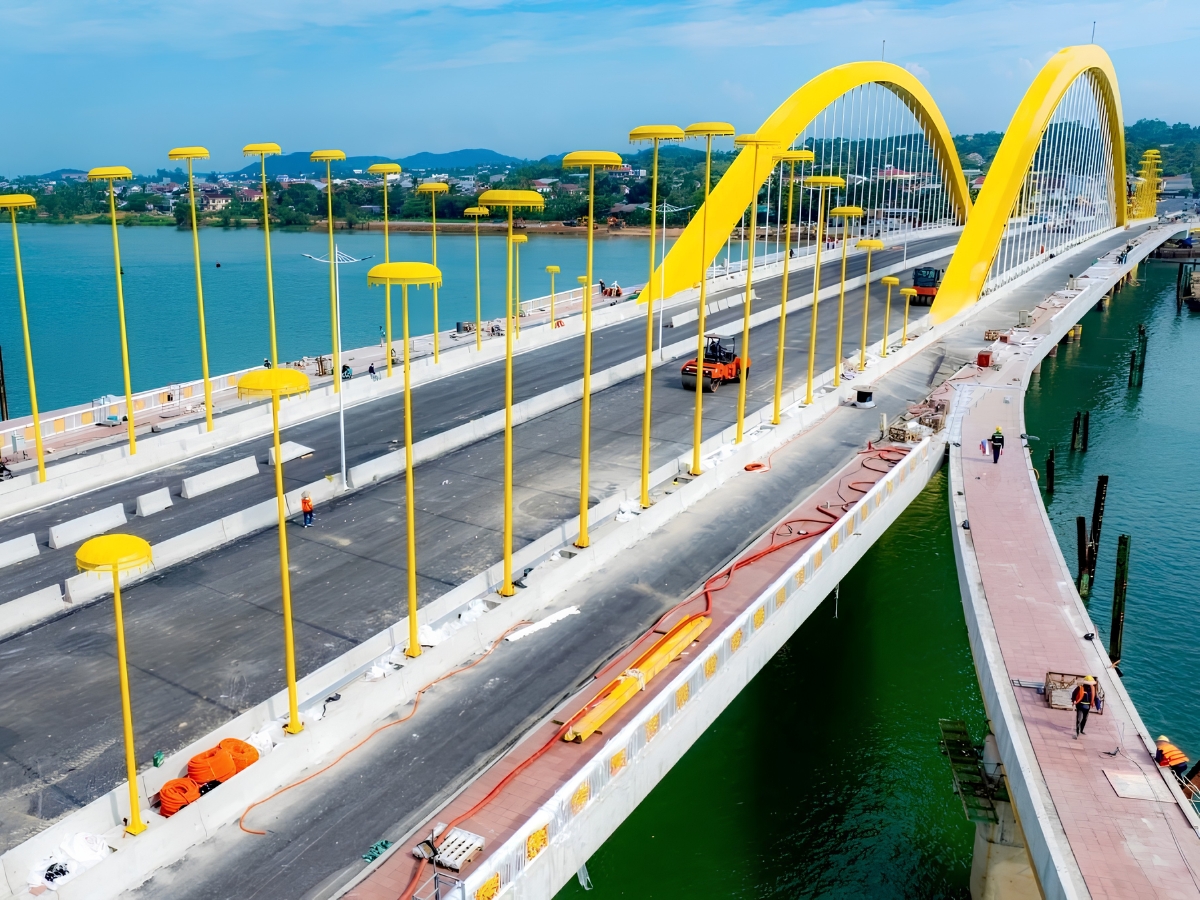
River overpasses help increase connectivity between areas, boosting trade and economic activities. (Source: Collected)
1.3. Attracting residents and commercial activities
As transportation infrastructure is upgraded, many riverside areas begin to attract more residents and commercial services. The demand for housing, business, and investment increases, making the real estate market more vibrant, especially in areas with direct connectivity advantages to the urban center.
Besides, many businesses also tend to expand their operations in areas benefiting from river-crossing bridges to anticipate development potential. This contributes to creating more momentum for the real estate market and increases the impact of river-crossing bridges on land prices in the medium and long term.
2. How do river-crossing bridges impact land prices?
The emergence of river-crossing bridge projects often creates many changes for the surrounding real estate market. Not only improving transportation infrastructure, new bridges also contribute to changing the pace of urbanization, connectivity, and investment appeal in many localities. This is also the reason why the impact of river-crossing bridges on land prices is often quite evident right from the planning announcement or construction implementation phase.
2.1. Land prices increase with infrastructure expectations
When information about the construction of river overpasses emerges, many surrounding areas often begin to see significant interest from investors and real estate buyers. This is because new transportation infrastructure is typically expected to help the area develop more strongly in terms of urban, commercial, and residential aspects in the future.
This expectation causes land prices in many places to tend to increase even before the project is completed. Areas located near the bridgeheads, main connection routes, or those with advantages in land availability are usually the places that experience the most pronounced impact of river overpasses on land prices during the initial phase of infrastructure development.
2.2. Increased liquidity of real estate in neighboring areas
Besides the price increase factor, river bridge projects also help the surrounding real estate market become more vibrant. When transportation is convenient, the demand for living, business, and investment often increases, contributing to improving liquidity for many types of real estate.
Many areas that were previously less interested also begin to attract buyers after infrastructure is upgraded. This helps trading activities become more positive and creates more momentum for the market to develop in the medium and long term.
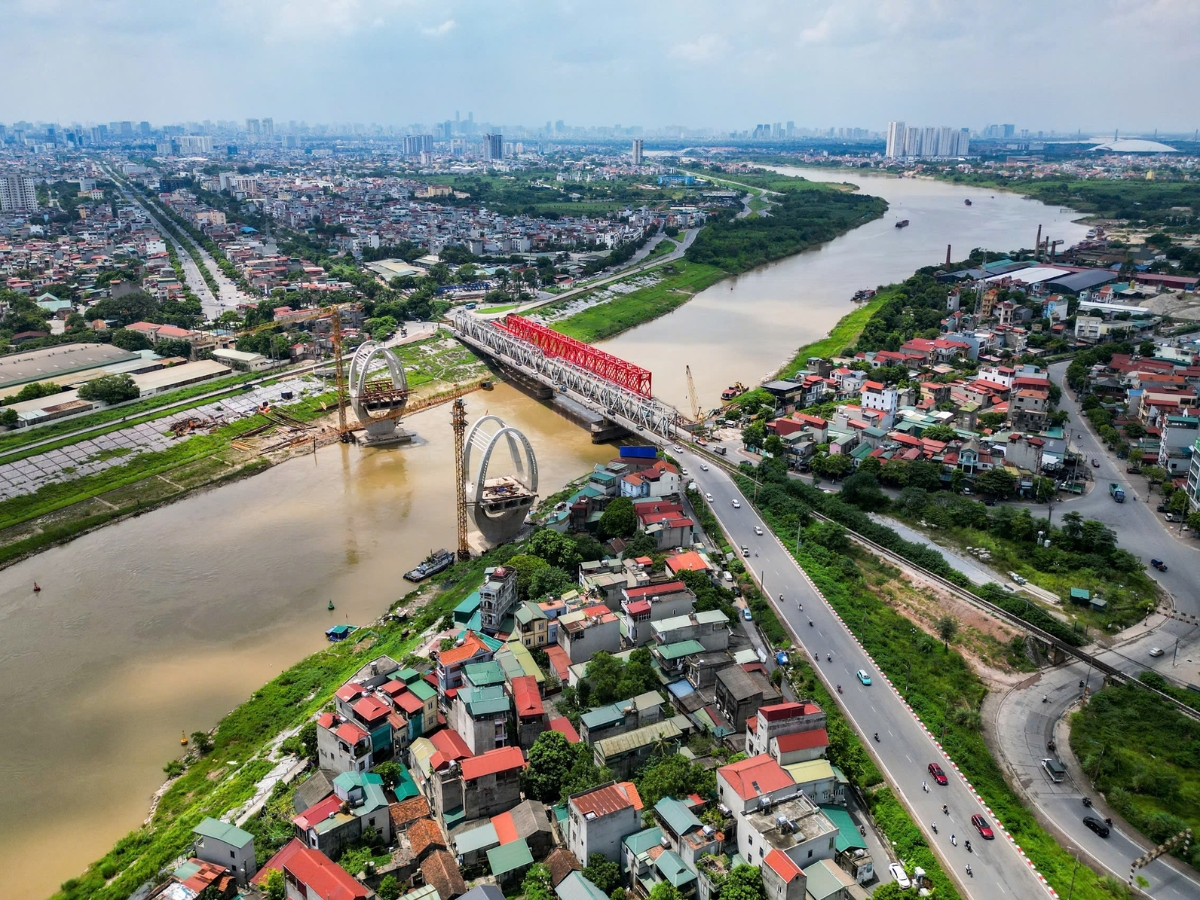
Land areas around the river overpass become more "valuable" after infrastructure is upgraded. (Source: Collected)
2.3. Price level changes between the two river banks
One of the noticeable impacts of river bridges is changing the real estate price levels between two areas on both sides of the river. Areas that were previously limited in connectivity or developed slowly often have the opportunity to narrow the price gap with central areas after the bridge is completed.
More convenient connectivity helps many riverside areas increase in value and attract new urban, commercial, or service projects. This is also a factor that causes the impact of river bridges on land prices to often occur strongly in areas with development potential but previously not effectively exploited.
3. Real estate investment opportunities according to river bridge infrastructure
The development of river-crossing bridge projects not only impacts transportation but also opens up many opportunities for the surrounding real estate market. When infrastructure is upgraded, many areas begin to attract more residents, businesses, and new urban projects, creating momentum for the market to develop more strongly in the long term. This is also why many investors are interested in the impact of river-crossing bridges on land prices during infrastructure development phases.
3.1. Medium and Long-Term Price Appreciation Potential
One of the factors that makes many investors interested in real estate near river bridges is the potential for price appreciation in the medium and long term. When transportation improves, connectivity to the center and development areas becomes more convenient, helping real estate values gain growth momentum over time.
Besides, many riverside areas often still have large land reserves and lower price levels compared to central areas. When infrastructure is completed and the urbanization rate increases, these areas can record significant price increases by directly benefiting from the urbanization process.
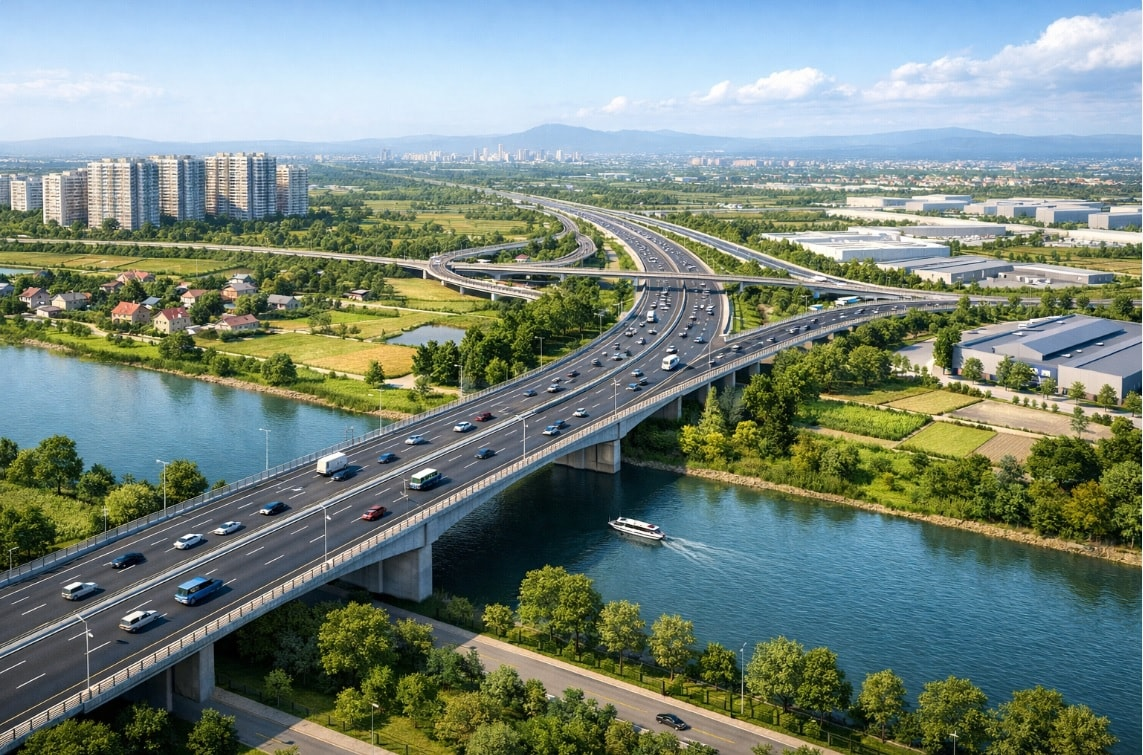
Land areas near the overpass will have potential for price increase in the future. (Source: Collected)
3.2. Growing demand for housing and business
Developing transportation infrastructure often leads to an increase in population and business activities in areas around river overpasses. As travel becomes more convenient, many people tend to choose to live or expand their business activities in new areas with more suitable prices.
This helps the demand for housing, commercial spaces, and services increase significantly. This also creates additional momentum for the real estate market to develop and clarifies the impact of river overpasses on land prices in areas directly benefiting from new infrastructure.
3.3. Benefiting from expanding urbanization
River-crossing bridge projects often play an important role in expanding urban space and connecting new areas with the city center. As a result, many previously underdeveloped riverside areas have the opportunity to attract more investment and form new residential areas, urban centers, or commercial centers.
The process of urban expansion not only changes the appearance of the area but also helps increase real estate value over time. Locations near bridges, with convenient connectivity and large land reserves, are often assessed as having great future development potential.
4. Risks of investing ahead of river-crossing bridge infrastructure
Besides many growth opportunities, investors also need to be cautious when investing in areas expected to benefit from river crossing bridge infrastructure. In reality, not every place with news of bridge construction will see sustainable price increases or develop as expected. Therefore, carefully researching the planning, progress, and actual potential of the area is very important when evaluating the impact of river crossing bridges on land prices.
4.1. Land fever based on planning rumors
When information about a river bridge project appears, many areas quickly experience land fever due to the psychology of anticipating infrastructure. However, in many cases, the information is only at the proposal stage or lacks a specific implementation plan, but land prices have been pushed up sharply.
This makes many investors easily buy real estate at high prices while the actual development potential is unclear. If the planning changes or the project is delayed, the risks of reduced liquidity and difficulty in reselling may occur.
4.2. Prices are pushed above real value
One of the common risks when investing in infrastructure is land prices increasing too quickly compared to the actual value of the area. Many places have recorded strong increases in a short period despite incomplete infrastructure or a lack of significant changes in population, commerce, and surrounding amenities.
When prices are pushed too high, future growth margins may be limited, and the risk of price adjustments will be greater. This is a factor that investors need to carefully consider when evaluating the impact of river-crossing bridges on land prices in specific areas.
4.3. Infrastructure projects delayed in actual progress
Not every river crossing bridge project is implemented according to the initial plan. Some projects may face difficulties with funding, land clearance, or planning adjustments, causing completion times to extend beyond the expected.
If investing too early while the infrastructure completion time is unclear, investors may have to wait for a long time or face cash flow difficulties. Therefore, monitoring actual progress and choosing areas with clear development potential will help limit risks when investing ahead of infrastructure development.
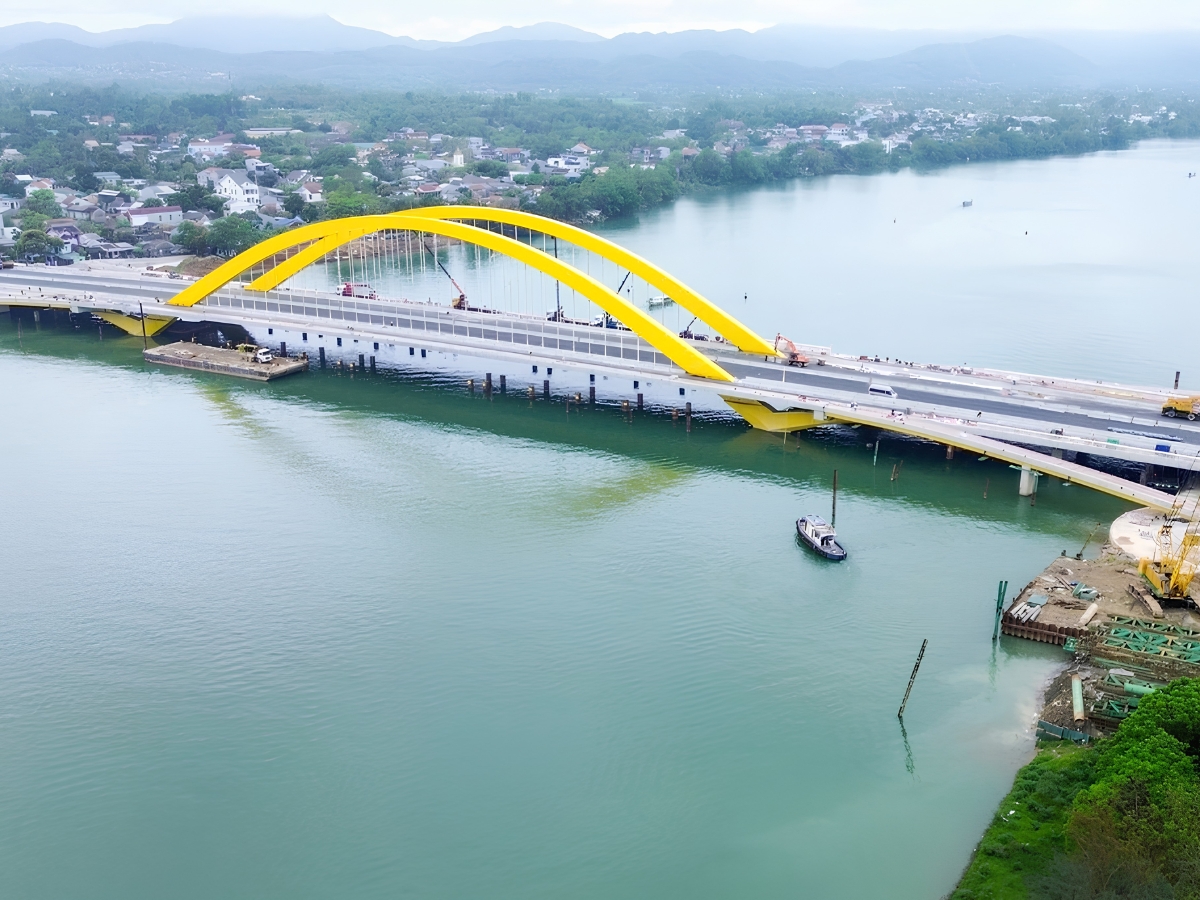
Real estate prices depend heavily on the construction progress of the overpass. (Source: Compiled)
It can be seen that the impact of river overpasses on land prices often becomes apparent when transportation infrastructure is improved and connectivity between areas becomes more convenient. Besides the opportunities for price increases and urban development, investors also need to carefully consider the planning, actual progress, and development potential of each area to limit risks when investing in anticipation of infrastructure.