


What is the WELL Building Standard and its application in real estate?
In the trend of sustainable development, the WELL Building standard is becoming a factor of interest for many investors and customers. It not only focuses on the building itself but also on human health and experience, creating a quality living space and enhancing real estate value.

▲Table of Contents
1. Decoding the WELL Building Standard
1.1. Definition and Value-Creation Philosophy of the WELL Standard System
The WELL Building Standard is an assessment and certification system for buildings designed to measure the impact of the built environment on human physical and mental health. This system is developed based on scientific research related to medicine, environment, and space usage behavior. When exploring what the WELL Building Standard is, it can be seen that this is a human-centered approach in building design.

The WELL Building Standard focuses on health and the living environment. (Source: Collected)
This standard is developed and managed by the non-profit organization International WELL Building Institute, with the goal of enhancing quality of life by improving factors such as air, light, water, and the overall environment. Not only focusing on initial design, WELL also evaluates both the operational process and the actual user experience. This helps create living and working spaces that are more balanced in the long term.
1.2. History of formation and evolution of IWBI in the global construction industry
The WELL Building Standard was first introduced in 2014 and continuously improved with the comprehensive WELL v2 version. To date, this system has become the global benchmark for health-oriented buildings. Its emergence is linked to the need to improve quality of life in the context of urbanization and changing living environments. When analyzing what the WELL Building Standard is, its origins can be seen to reflect the trend of combining modern architecture and health science.
Over time, WELL has been applied in thousands of projects across many countries and continues to be improved through new versions to suit various types of buildings. This system has also expanded into many sectors such as offices, residences, and hotels, demonstrating its application flexibility. This development reflects the growing importance of health factors in modern real estate.
1.3. Analysis of differences: WELL Standard vs. LEED & Green Building
WELL Building Standard differs from green building rating systems like LEED or LOTUS by focusing directly on the health and experience of users rather than solely on energy or environmental efficiency. This helps WELL become an important supplementary standard in modern building assessment systems. When learning about what the WELL Building standard is, this difference can be seen as the core element.
While other standards often assess resource efficiency and reduced environmental impact, WELL aims to improve living space quality through factors such as lighting, air, and mental health. This difference helps WELL-certified projects significantly enhance user experience. This creates distinct value for buildings adopting this standard.
2. Criteria in the WELL Building Standard
2.1. Air Quality Criteria
Air quality is one of the important criteria in the WELL standard, aiming to ensure a living environment free from agents harmful to the respiratory system and the long-term health of users. Buildings need to apply effective air filtration and pollution control systems. When analyzing what is the WELL Building standard, it can be seen that air quality is always prioritized.
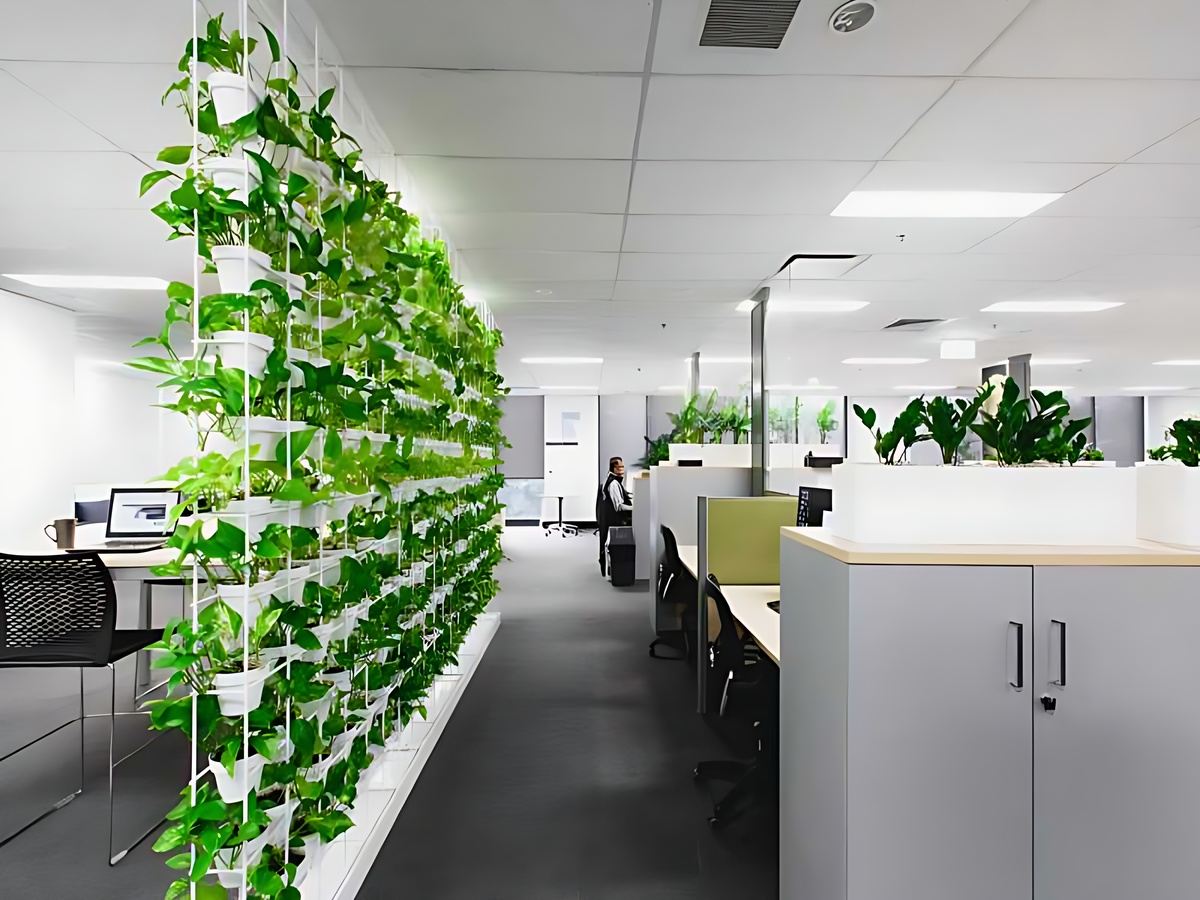
Air quality criteria in WELL ensures a healthy living environment. (Source: Collected)
Besides air filtration, this standard also requires control of emission sources from materials and equipment within the building to minimize indoor pollution. Natural ventilation design is also encouraged to enhance air exchange. These factors contribute to creating a healthy and stable living environment.
2.2. Water and Nutrition Criteria
Water criteria in WELL require water sources to meet safety standards, not contain harmful substances, and be regularly tested to ensure quality of use. This helps protect users' health in daily life. When learning about what WELL Building standards are, it can be seen that water is an indispensable element.
Besides that, WELL also addresses the nutrition factor by encouraging the provision of healthy food and a suitable dining environment. This contributes to forming good living habits and enhancing overall health. These criteria help expand the scope of the building's impact on users' lives.
2.3. Criteria for lighting and movement
Additionally, this standard encourages the design of spaces that support movement, such as stairs, sports areas, or walkways, to promote physical activity. This helps improve health and enhance quality of life. The combination of lighting and movement creates a more dynamic living environment.
2.4. Criteria for mental and community well-being
The WELL Standard focuses on mental well-being by creating a positive living environment, reducing stress, and supporting emotional balance for occupants. Elements such as quiet spaces, biophilic design, and connection to nature are applied to enhance mental health. When exploring what the WELL Building Standard is, it is evident that mental well-being plays an important role.
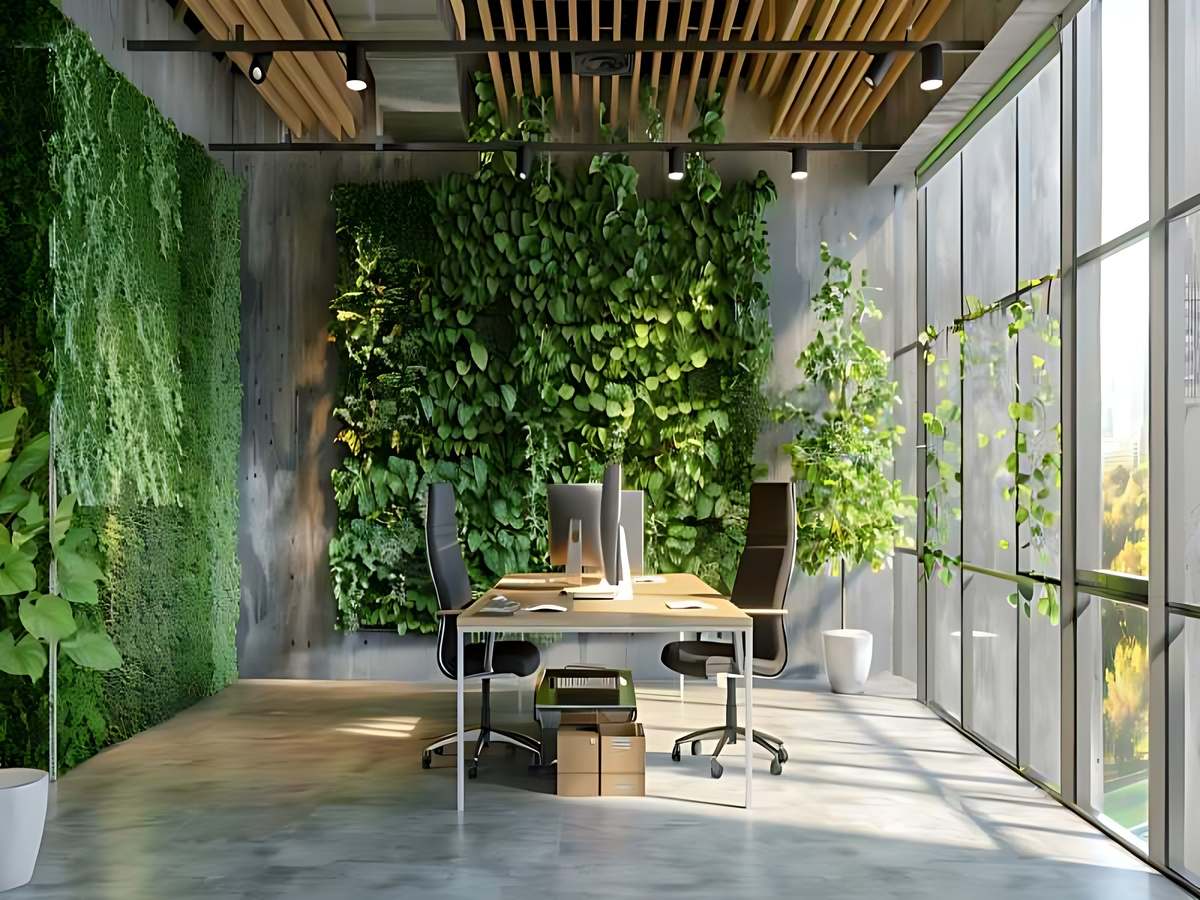
WELL criteria enhance spirit and community connection. (Source: Collected)
In addition, WELL also emphasizes community building through common living spaces and social connection activities. This helps increase the bond between residents and create a positive living environment. These criteria contribute to forming a sustainable living ecosystem within the project.
3. Strategic impact of WELL Building in real estate
3.1. Enhancing user experience
WELL Building helps improve physical health by controlling the quality of air, water, and light in living spaces. These factors directly impact the health of users over the long term. When analyzing what the WELL Building standard is, it is easy to see that health benefits are the core element.
In addition, an optimized living environment helps enhance the user experience and work performance. A comfortable and balanced living space helps reduce stress and improve mood. This creates real value for users.
3.2. Competitive advantage and assurance for property valuation potential
Projects meeting WELL standards often have higher value due to meeting stringent criteria for health and quality of life. This helps increase competitiveness in the real estate market. When learning about what the WELL Building standard is, it is easy to see that the asset value factor is clearly demonstrated.
In addition, WELL buildings are capable of attracting customers and investors by meeting the trend of healthy and sustainable living. This helps enhance the building's operational and usage capabilities. Real estate value is therefore maintained stably over time.
3.3. Optimizing operational performance and retaining target customers
The WELL Standard aligns with the green living trend by combining environmental and health factors in building design. This meets the growing demand for sustainable living spaces. Furthermore, WELL promotes efficient resource utilization and reduces negative environmental impact. This helps projects develop in a more sustainable direction. This trend is increasingly widely applied.
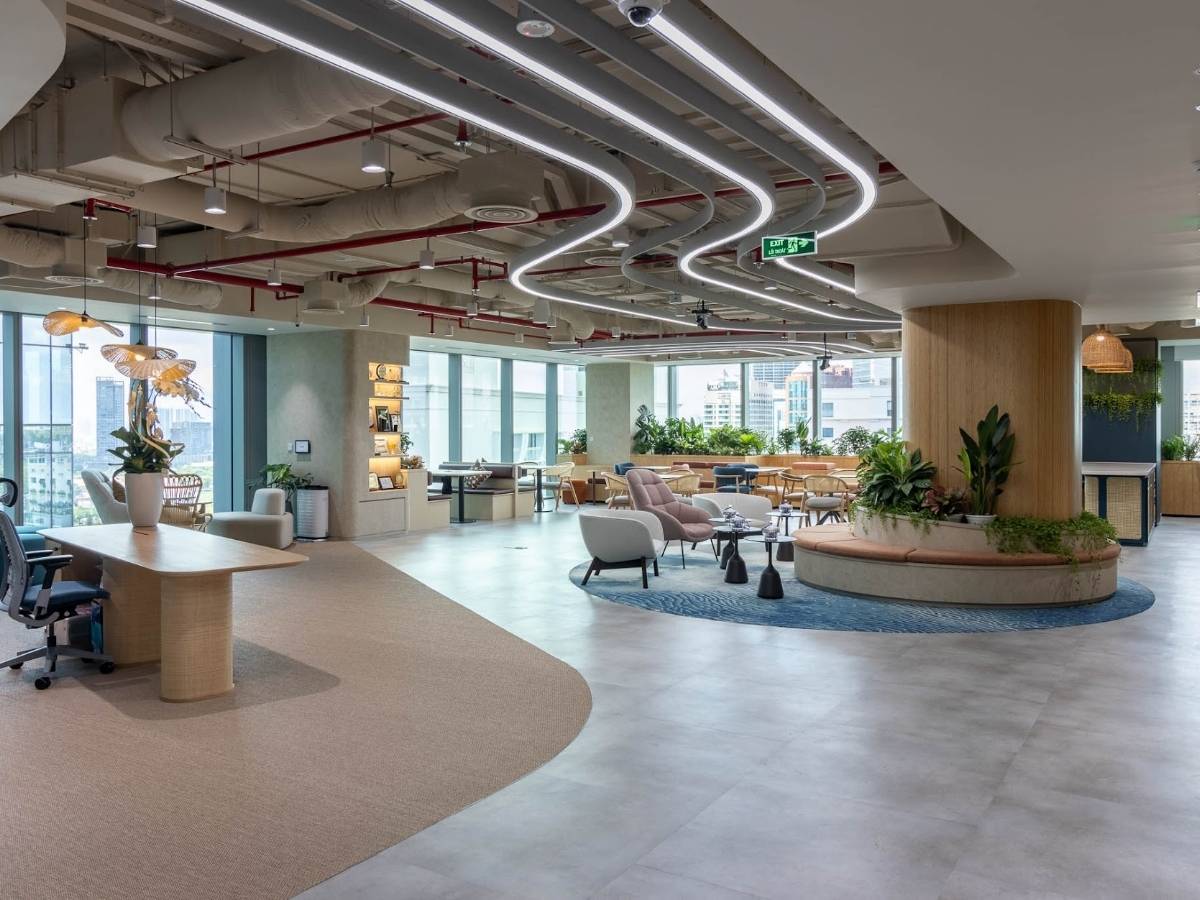
WELL supports the trend of green living and sustainable buildings. (Source: Collected)
3.4. Meeting ESG Standards and the Direction of Sustainable Urban Development
WELL buildings contribute to creating a balanced urban ecosystem, where people and the environment are harmoniously connected. This helps improve the quality of life for residents and promotes long-term sustainable development. This is an important trend in urban planning.
4. Application of WELL Building in Practice
4.1. International Projects Achieving WELL Standard
Many projects worldwide have achieved WELL certification and become role models for health-oriented buildings, by integrating elements such as clean air, natural light, and green spaces. These projects demonstrate the widespread applicability of the WELL standard. When analyzing what the WELL Building standard is, it is easy to see that practical application is a clear testament.
These buildings often achieve different certification levels such as Silver, Gold, or Platinum depending on the degree of criterion fulfillment. This helps classify and evaluate building quality clearly. These practical examples contribute to promoting the development of WELL globally.
4.2. WELL Building Trends in Vietnam
In Vietnam, the WELL standard has transformed from a trend into a genuine commitment in luxury projects and high-end offices. This aligns perfectly with the spirit of the 2023 Real Estate Business Law (Law No. 29/2023/QH15), as this law places greater emphasis on the transparency, clarity, and infrastructure quality of projects. The application of WELL not only helps projects comply with safety and environmental regulations but also serves as a guarantee for commercial value in the market.
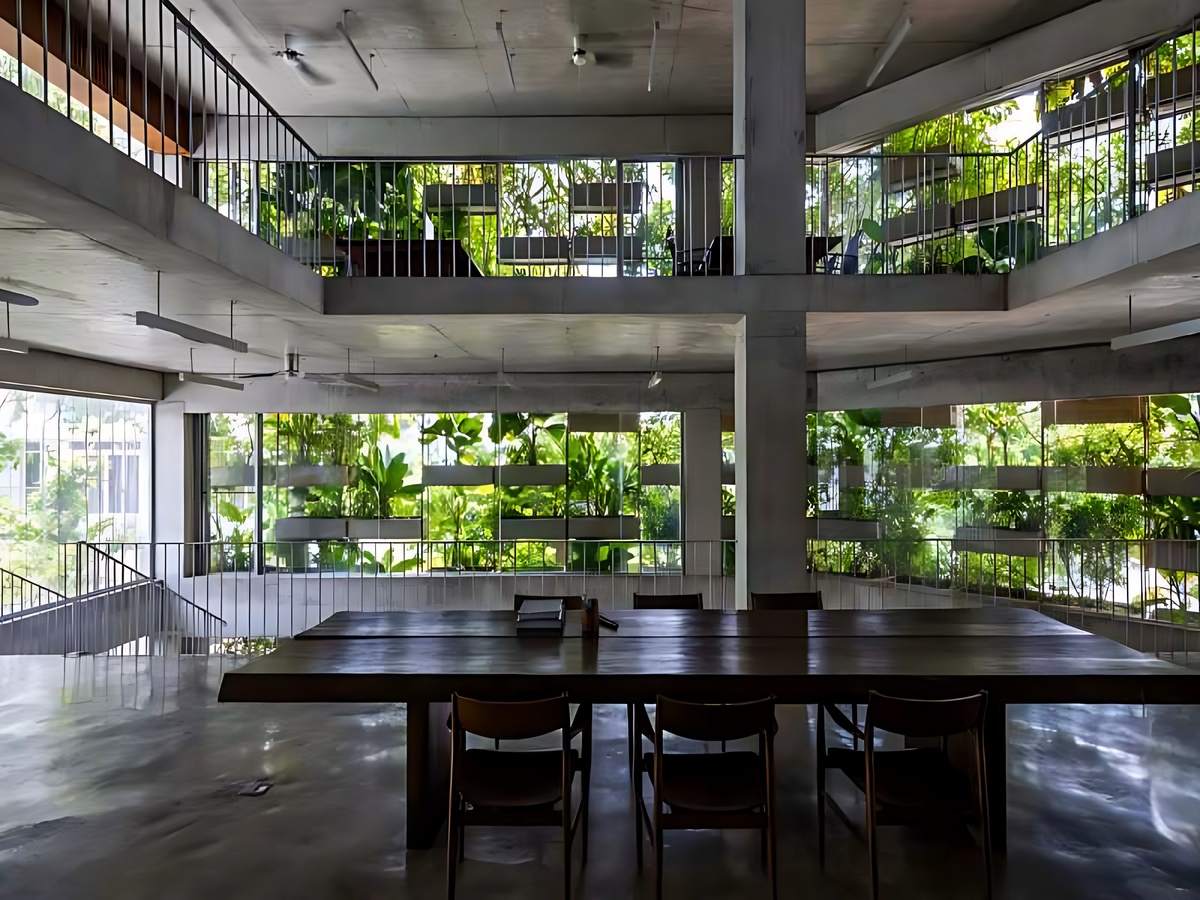
WELL Building is gradually developing in Vietnam today. (Source: Collected)
Investors are beginning to integrate wellness elements into projects to enhance value and meet customer needs. This indicates a shift in the real estate market towards sustainability. This trend is expected to continue developing in the coming time.
4.3. Notes when implementing WELL Building
The implementation of WELL Building requires investment in cost and technology to meet stringent criteria related to health and living environment. Projects require collaboration among many parties such as architects, engineers, and health experts. When analyzing what is the WELL Building standard, it is easy to see that the implementation process is an important factor.
Furthermore, the WELL certification process requires periodic evaluation and inspection to ensure criteria are maintained throughout the building's lifecycle. This helps ensure long-term living environment quality. Operation also plays an important role in maintaining the standard.
4.4. The future of WELL Building in real estate
In the current context, the WELL standard has become an inseparable part of the sustainable real estate development strategy. With support from legal frameworks such as the Housing Law 2023 (Law No. 27/2023/QH15), the development of high-quality housing areas focusing on health amenities has a clearer legal corridor. The combination of technology, ecological design, and Wellness elements helps reshape the market, where buyers are not just buying an apartment but an ecosystem of proactive health care.
Overall, what is the WELL Building standard is not just a set of criteria but also a development direction for modern real estate. Applying WELL Building helps improve quality of life, increase project value, and contributes to creating a sustainable environment in the future.