


What to know about collateral in real estate transactions
In many real estate transactions, mortgaged assets are details easily overlooked but greatly determine legal safety. Understanding the concept correctly, transaction conditions, and how to check records will help limit risks, avoid disputes, and be more proactive before making a deposit or signing a contract.

▲Table of Contents
1. What is collateral in real estate transactions and why is it important to understand correctly
1.1. Concept of collateral in real estate transactions under current law
In civil law, a mortgage is understood as a measure to secure the performance of an obligation, where the obligor uses assets that they legally own or have the right to use to secure a debt or other obligation. The point to note is that the asset remains held, managed, or used by the mortgagor during the period the security measure is in effect. Therefore, mortgaged assets in real estate transactions are not assets that lose their right to transact from the outset, but all related transactions must be placed within a stricter legal framework.
1.2. Types of real estate commonly used as collateral
The scope of secured assets is currently very specifically regulated. Land Law No. 31/2024/QH15 recognizes the right to mortgage for land users who have a Certificate and no disputes. Simultaneously, Housing Law No. 27/2023/QH15 and Real Estate Business Law No. 29/2023/QH15 clarify the conditions for housing and construction works. This means that from apartments, townhouses to future construction works, all can be mortgaged assets, but the transaction roadmap must strictly comply with the conditions on progress and collateral release according to new regulations.
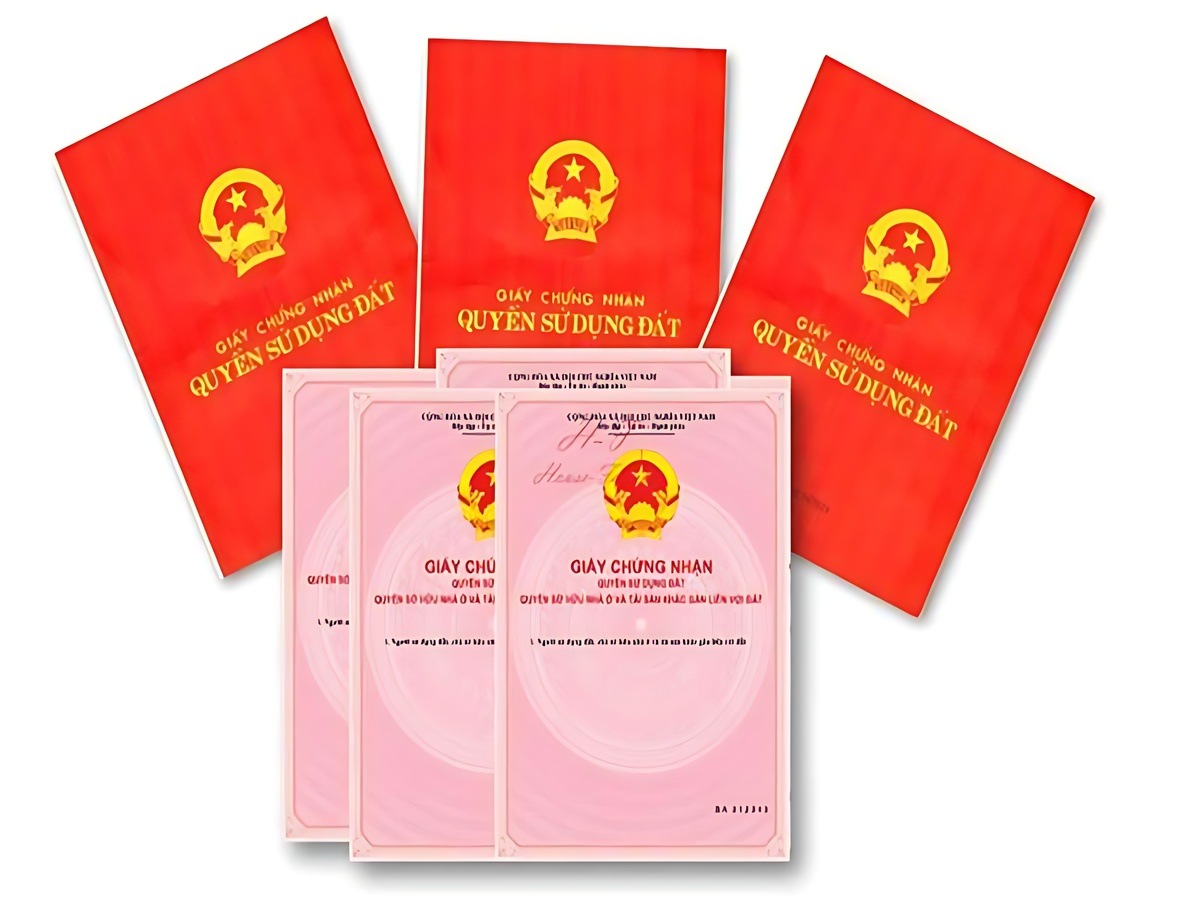
Collateral must meet legal requirements and the foreclosure process. (Source: Collected)
1.3. Why mortgaged assets can still appear in real estate transactions
Pledged assets can still appear on the market due to the owner's constantly changing financial needs. In many cases, property owners borrow capital for investment, business, or personal needs, and then develop a need to sell to restructure cash flow or pay off loans. Therefore, pledged assets in real estate transactions appear quite frequently during the stages of deposit, negotiation, or conditional transfer with collateral release.
2. Legal conditions of pledged assets in real estate transactions in 2026
2.1. Conditions for land use rights to be pledged and participate in transactions
Regarding land use rights, the core conditions still revolve around the certificate, dispute status, land use term, and existing legal restrictions on the land parcel. Land Law 2024 clearly stipulates that land users can only exercise rights such as transfer, donation, mortgage, or capital contribution when meeting all legal conditions, and must complete financial obligations in case of outstanding debt or deferred obligations. Therefore, collateral in real estate transactions is only safe when the initial inspection step addresses the fundamental conditions of land use rights, rather than just checking if the sổ (land use right certificate) is authentic.

Checking land legal status ensures the safety of mortgage transactions. (Source: Collected)
2.2. Transaction conditions for housing and construction works under mortgage
For housing and construction works, transactions are not only governed by civil law on security but also must comply with the housing law and the real estate business law effective from 2025. This means that besides whether it is mortgaged or not, the asset must also meet the conditions to be transacted, put into business, or legally transferred according to each type. Therefore, mortgaged assets in real estate transactions must always be assessed according to two parallel layers of conditions, including conditions on security and specific conditions of the real estate participating in the transaction.
2.3. Effectiveness against third parties and the role of security interest registration
Registration of security interests is not just an administrative step for record-keeping. Under the current legal mechanism, the effect of registration is directly related to determining the effectiveness against third parties of the security interest, meaning it relates to the ability to protect the rights of the secured party when disputes or overlapping transactions arise. Therefore, collateral in real estate transactions can only be fully assessed when the buyer pays due attention to the registration and deregistration status, not just looking at the internal mortgage contract between the parties.
Determining whether an asset is encumbered by debt is based on its enforceability against third parties. The core legal basis currently is Consolidated Document 2161/VBHN-BTP in 2026 on registration of security measures, combined with updated guiding circulars from the Ministry of Justice. The national online registration system allows buyers to quickly check the mortgage status. A transaction is only truly safe when the status "Mortgaged" is removed from the data system of the Land Registration Office, ensuring the buyer's rights are absolutely protected by law against all third parties.
3. Common risks when transacting mortgaged real estate
3.1. Risk of losing deposit due to unverified legal status of the property
The earliest risk usually lies in the deposit step. Many sellers only vaguely inform that the property is mortgaged to a bank and will be released after receiving the money, but cannot provide loan documents, outstanding balance confirmation, or a specific processing schedule. In such circumstances, the collateral in real estate transactions becomes a major risk point if the buyer deposits before knowing exactly what obligations are being secured and whether the release can be carried out.
3.2. Transaction complications when mortgage registration is not yet removed
A transaction may have been agreed upon by the parties regarding price, payment method, and signing time, but it can still get stuck in the notarization or registration of changes phase if the security measure has not been properly discharged. Failure to discharge the registration is not just a missing document, but also an indication that the priority right of the secured party is still maintained on the registration system according to the law. Therefore, collateral in real estate transactions can cause the entire transaction to be prolonged if the parties overlook the step of checking the actual registration status.
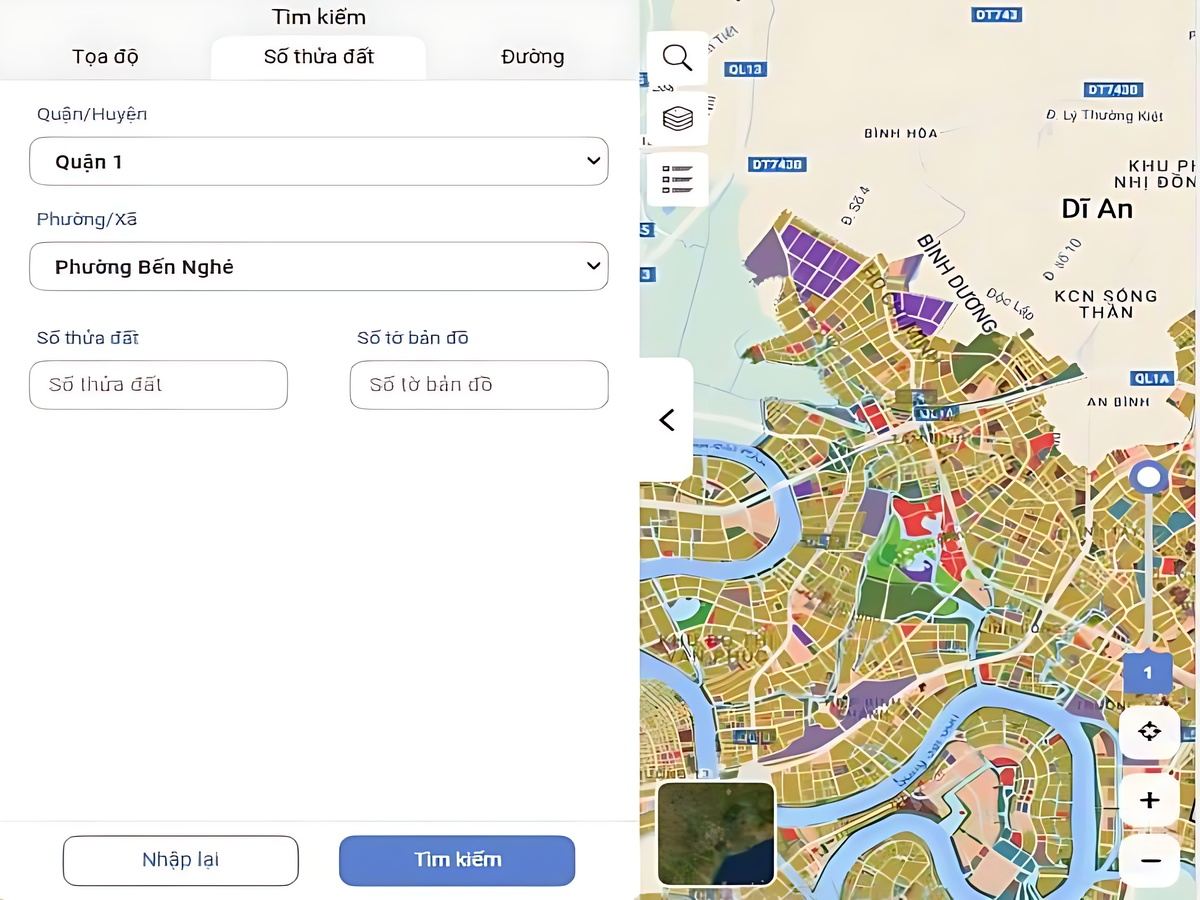
Unremoved mortgage registration can disrupt the entire transaction. (Source: Collected)
3.3. Confusion between eligible collateral assets and transfer
A property may be eligible to become collateral but may not yet be eligible for transfer at the time of transaction. This is a point of confusion because many people assume that if the bank has accepted the mortgage, the property can certainly be bought and sold safely. In reality, collateral in real estate transactions is just a legal facet, while legal transfer further depends on the specific conditions of the land, housing, construction works, and the case of the property being put into business.
This risk often arises with project assets, assets with unfulfilled financial obligations, assets with restricted transactions, or assets that have not yet met information disclosure requirements when put into business. If a buyer relies solely on information that an asset is mortgaged at a major bank and infers that the file is in order, the possibility of confusion remains quite high. The correct understanding is to distinguish between the conditions for receiving collateral and the conditions for transferring rights, as these two sets of conditions are not identical.
3.4. Lack of clear release procedures in the transaction contract
Even if both parties are well-intentioned, a contract lacking detail can still lead to major disputes. Key points such as what documents the bank is holding, who will receive the money first, when the loan will be settled, who will submit the application for de-registration, and when notarization will occur need to be clearly outlined as a process. Therefore, collateral in real estate transactions requires the contract to be designed according to specific operational flows, instead of merely stating generally that the seller is responsible for debt settlement.

Clear contract procedures help control risks of collateral assets. (Source: Collected)
4. How to inspect collateral assets in real estate transactions to mitigate risks
4.1. Check the certificate and basic legal information of the property
Due diligence steps should start from the certificate and basic legal information of the real estate. The buyer should verify the registered owner, property type, area, form of use, land use term, actual status, and any recorded restrictions on rights, if any. Throughout this entire process, the mortgaged property in real estate transactions should be viewed as a multi-layered information file, not just a red-stamped book.
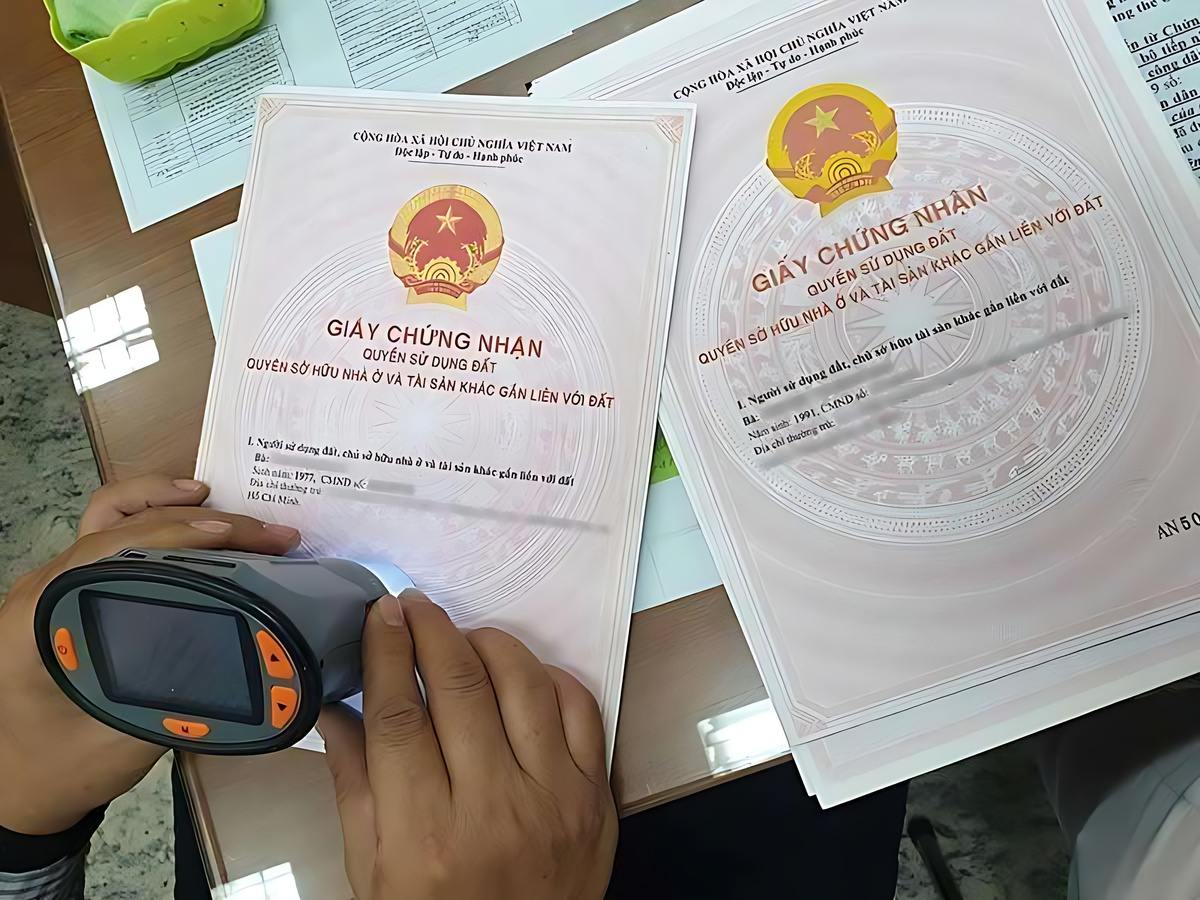
Legal due diligence helps identify risks of collateral in transactions. (Source: Collected)
4.2. Checking the registration status of security interests and the ability to discharge collateral
If it is determined that the asset is mortgaged or shows signs of having been used to secure obligations, the buyer should proceed to an in-depth check of security measure registration. Required documents should not stop at the loan agreement, but should include confirmation of outstanding debt, a release agreement, and documents showing the bank or the secured party agrees to cooperate in handling payment when it arises. In this phase, collateral in real estate transactions is only considered feasible when the release roadmap can be verified by specific documentation.
4.3. Working with the bank, notary, and legal advisors before signing the contract
A safe process should not rely solely on information from the seller or broker. The buyer needs to verify directly with the mortgagee, consult in advance with the notary regarding the feasibility of the transaction route, and, if necessary, seek legal counsel to review key terms. Therefore, collateral in real estate transactions should be handled through a multi-party coordination mechanism to reduce the risk of information discrepancies at each stage.
Understanding collateral in real estate transactions is a crucial step for buyers, sellers, and investors alike to control legal risks from the outset. In the context of updated regulations effective from 2025 and continuing into 2026, checking mortgage status, transaction conditions, and release records is no longer an option but a necessity for safer, more transparent, and smoother transactions.