


What to know about safe real estate purchase agreements
In real estate transactions, a thorough understanding of the real estate purchase contract is a key factor in ensuring rights and avoiding disputes. A solid contract not only helps to clarify information but also serves as an important legal basis throughout the asset transfer process.

▲Table of Contents
1. Overview of real estate sale and purchase transactions and the role of contracts
1.1. Identification of Real Estate Sale and Purchase Contracts
In civil transactions, a real estate sale and purchase contract is a document that expresses the agreement between the buyer and the seller regarding the transfer of ownership or the right to use real estate according to the agreed conditions. The content of the contract establishes the rights and obligations of the parties during the transaction process. The legal validity of the contract is recognized when it fully meets the conditions regarding subjects, content, and form according to legal regulations.

Concept of real estate sales contract according to legal regulations. (Source: Compiled)
In essence, a contract is a legal basis that records the transfer of assets and serves as the foundation for carrying out procedures for registering changes in land use and assets attached to land. According to Land Law No. 31/2024/QH15, the current Certificate is collectively called the Certificate of Land Use Rights, Ownership of Assets Attached to Land. The establishment of a contract in writing and compliance with real estate business conditions are mandatory requirements to ensure legal enforceability.
1.2. The "backbone" role of the Contract
In practice, real estate purchase agreements serve as the legal basis for establishing the rights and obligations between parties throughout the real estate transaction process. Clearly recorded terms help ensure the rights of the buyer and seller according to the agreement. This also serves as an important basis for resolving disputes arising during the contract execution.
Additionally, the contract contributes to increasing transparency in transactions as all information related to assets, values, and financial obligations are specifically recorded in the document. Building a comprehensive contract helps limit risks and ensure stability in transaction relationships. This is especially important in the context of a volatile real estate market.
2. Decoding the "golden" clauses in important real estate purchase contracts
2.1. Assessing the legal status of participating parties
In the transaction content, real estate purchase contract must fully present information of the seller and the buyer to clearly identify the participating parties according to current legal regulations. Information such as full name, address, and personal legal documents helps ensure authenticity and verifiability when needed. This is the basis for determining the legal responsibilities of the parties during the contract execution process.
Clear recording of information helps limit risks arising from the determination of rights and obligations of parties in real estate transactions. When disputes occur, this information serves as a basis for competent authorities to review and resolve. Lack of clear information can make it difficult to protect the legitimate interests of parties involved in the transaction.
2.2. Identification parameters and asset status
In the content of the agreement, real estate purchase contract must clearly describe information about the property, including its location, area, and legal status, to clearly identify the subject of transfer. Information related to the ownership certificate must be fully recorded in the contract. This helps ensure transparency and avoid confusion during the transaction process.

Information about real estate assets in the sales contract is clear and transparent. (Source: Collected)
Furthermore, detailed description of the property also serves as a basis for comparison when disputes arise regarding ownership rights or the property's condition. This information plays an important role in ensuring the buyer's rights after the transaction is completed. Clear content helps enhance the efficiency and stability of the contract.
2.3. Value structure and disbursement schedule
According to the provisions of Law on Real Estate Business No. 29/2023/QH15, the purchase and sale price in the contract must be clearly stated and paid through a credit institution operating in Vietnam (for business projects). Recording the actual value not only helps avoid disputes but also serves as a basis for tax authorities to determine financial obligations based on land price lists close to market prices according to the new valuation method of the Land Law 2024.
The payment method and payment schedule also need to be clearly stipulated so that the parties have a basis to fulfill their obligations according to the signed agreement. Clearly defining the payment time helps limit risks and ensure the progress of real estate transactions. Transparent financial content contributes to improving the effectiveness of contract execution.
2.4. Handover mechanism and settlement of transfer documents
In the contract content, a real estate purchase and sale contract must clearly stipulate the time of asset handover and procedures related to the transfer of ownership according to current legal regulations. This is the basis for determining the time of transfer of rights and responsibilities between the parties. Clearly defining the handover time helps limit arising disputes.
Besides the handover, the contract must clearly stipulate which party is responsible for administrative procedures. It should be noted that since the Land Law No. 31/2024/QH15 took effect, the regulations on land price lists have undergone significant changes, abolishing the old land price framework and updating land price lists annually. Therefore, the parties need to specifically agree on the responsibility for paying personal income tax, registration fees, and application appraisal fees according to the latest local price list.
3. Legal provisions and risks when signing a purchase contract
3.1. Legal reference system and project compatibility
Legally, real estate purchase contracts are directly governed by the Civil Code 2015, Land Law No. 31/2024/QH15, Housing Law No. 27/2023/QH15, and the Real Estate Business Law No. 29/2023/QH15. These laws establish new standards for conditions regarding real estate put into business, requiring the seller to fully complete land-related financial obligations before being allowed to transfer ownership, aiming to maximize the buyer's rights.

Legal basis governing current real estate purchase and sale agreements. (Source: Collected)
Additionally, the law also requires contracts to be notarized or certified in many cases to ensure legal validity when carrying out ownership registration procedures. Compliance with form requirements is a necessary condition for the contract to take effect. This contributes to ensuring transparency and safety in real estate transactions.
3.2. Identifying
In practice, real estate purchase agreements can lead to risks if the property is not yet eligible for transaction or does not meet legal requirements according to current regulations. In some cases, real estate that lacks a certificate or is under dispute is still traded. This directly affects the buyer's rights.
According to current regulations, real estate purchase and transfer contracts must be notarized or authenticated, except when one party is an organization with real estate business functions. Failure to comply with this form will result in the contract being void, making it impossible to perform the registration of changes at the Land Registration Office according to the Land Law 2024. This increases the risk of losing assets entirely if there are disputes or if they are subject to enforcement by a third party against the former owner.
3.3. Establish protective measures and conduct field verification
To limit risks, the content of real estate purchase agreements needs to be built on the basis of fully checking the legal information of the property before signing the transaction. Verifying documents helps ensure the property is eligible for transfer according to legal regulations. This is an important step in ensuring transaction safety.
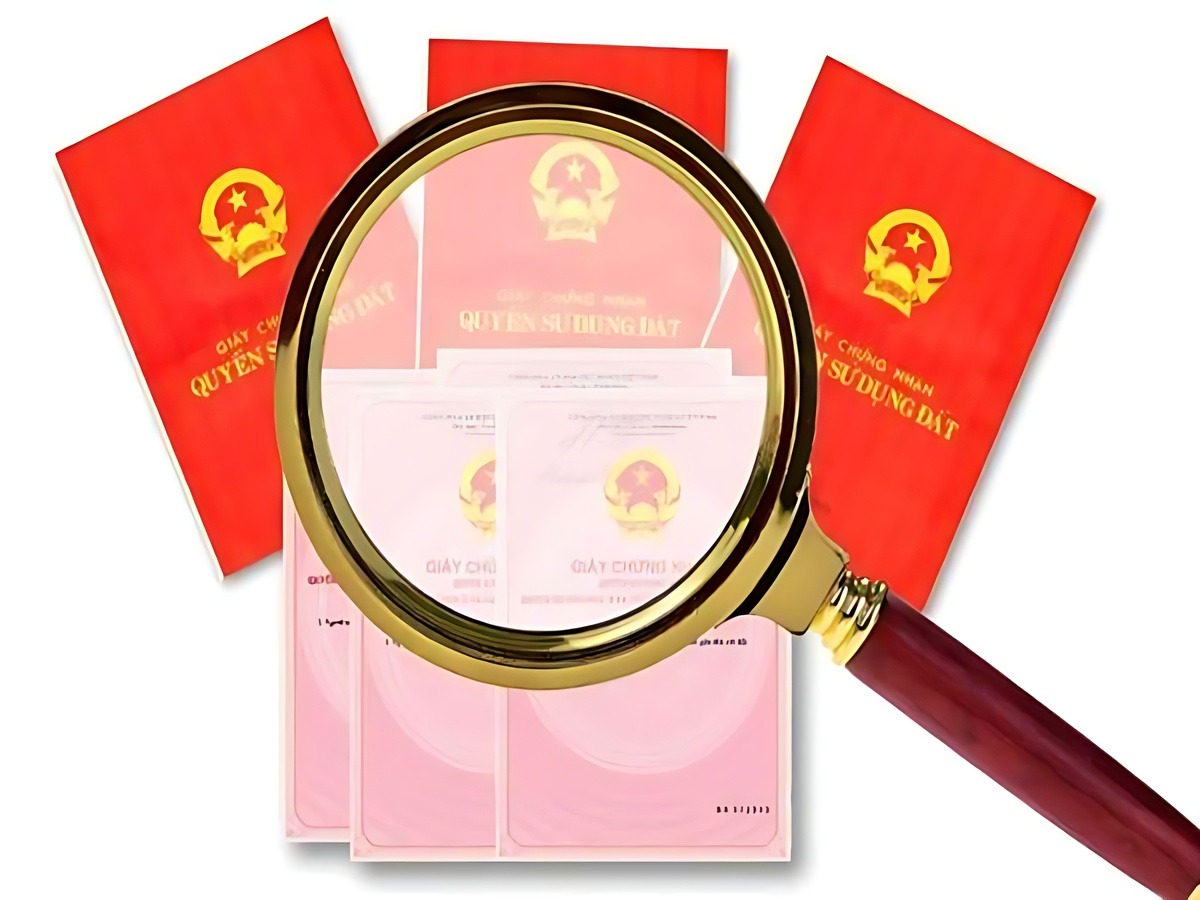
How to conduct legal checks and mitigate risks when buying and selling real estate. (Source: Collected)
Furthermore, carefully reading the contract content before signing helps parties clearly understand their rights and obligations during the transaction process. Clauses related to value, payment, and responsibilities need to be carefully reviewed to avoid disputes arising. This contributes to improving contract execution efficiency.
Additionally, referencing market information helps parties assess the value of real estate and transaction conditions that are in line with reality. This helps limit unfavorable agreements and enhance transparency in transactions. Adequate information preparation contributes to ensuring efficiency and safety.
4. The Art of Closing Deals and Preserving Transaction Value
4.1. Clause Techniques: Transparency and Violation Sanctions
During the transaction process, real estate purchase contracts must be clearly negotiated regarding price and payment schedule to ensure agreement among the participating parties. Terms related to asset handover also need to be specifically defined to avoid disputes arising in practice. Clear agreements help ensure transparency in transactions.
Furthermore, conditions related to the responsibilities of the parties in case of breach must also be clearly recorded in the contract to ensure rights during the execution process. These contents help the parties clearly understand their obligations when participating in real estate transactions. This contributes to limiting risks and ensuring transaction efficiency.
4.2. "Clean File" Reconciliation and Ownership Entity Verification
Before signing, the content of the real estate purchase contract needs to be carefully checked for ownership rights and the legal status of the property to ensure it is eligible for transaction according to current legal regulations. Verifying information helps ensure the transaction is conducted with the legally authorized party. This is a crucial factor in ensuring transaction safety.
Additionally, checking the planning and legal status of the property helps avoid risks related to future property use. If this step is overlooked, the buyer may face difficulties in exercising ownership rights. This directly affects the effectiveness of real estate transactions.
4.3. Real estate records packaging and security process
During the transaction process, the real estate sale and purchase contract needs to be fully preserved along with related documents such as payment receipts to serve as a legal basis in case of disputes. These documents help parties easily cross-reference information during contract execution. Record keeping helps enhance transaction control.
Store complete contracts and documents in real estate transactions. (Source: Collected)
It can be affirmed that understanding real estate purchase contracts will help you limit risks and ensure your rights during the transaction process. When preparing thoroughly and mastering important terms, you will be more confident in investing and owning real estate safely in the future.