


What you need to know about paying off a bank loan early
How to repay a bank loan early is a matter of interest to many people when they want to reduce interest rate pressure or end the loan early. However, repaying is not just simply paying off the money but also involves penalty fees and specific procedures.

▲Table of Contents
1. What is early loan settlement?
1.1. Concept of early loan settlement
Early loan settlement is when the borrower proactively pays off the entire remaining debt to the bank before the time committed in the contract. Instead of continuing to pay in installments according to the term, the borrower terminates the loan early, thereby ending the financial obligation to the bank.
Understanding how to settle a bank loan early will help borrowers be more proactive in their financial planning. This is not just a simple debt repayment action but also a decision related to interest costs and long-term cash flow.

Early repayment of a bank loan is when the borrower pays off the entire outstanding debt before the contract deadline. (Source: Collected)
1.2. When should one repay early?
Borrowers should consider early repayment when they have idle funds that are not needed immediately. Early debt repayment helps significantly reduce the interest paid, especially with long-term loans such as home loans.
Additionally, in a context of rising interest rates, early repayment of bank loans is also a solution to limit financial risks. When borrowing costs are no longer optimal, early repayment will help borrowers reduce future pressure.
1.3. Benefits and limitations
The clearest benefit of early repayment is reducing total interest costs and freeing up monthly debt obligations. When prolonged financial pressure is removed, borrowers can be more flexible in using cash flow for other goals.
However, borrowers also need to pay attention to the early repayment penalty fees stipulated by the bank. If not calculated carefully, this fee can reduce financial efficiency. Therefore, before deciding, it is necessary to consider the overall picture to ensure the choice brings real benefits.
2. How much is the early settlement fee?
2.1. Regulations on early loan settlement fees
The early settlement fee is the cost that the borrower must pay when paying off the loan before the time committed in the contract. This fee is usually clearly stipulated from the beginning and is considered a form of compensation for the bank when the contract is terminated earlier than expected.
Specific fees will vary depending on each bank and each loan package. However, the common point is that the sooner the repayment period, the higher the fee rate usually is, and then it will gradually decrease over the loan term. Therefore, when researching how to repay a bank loan ahead of schedule, borrowers need to carefully read the contract terms to consider a suitable time, avoiding unnecessary costs.
Each bank has different regulations on penalties for early loan repayment. (Source: Collected)
2.2. Formula for calculating early loan repayment fees
When learning about how to repay a bank loan early , one of the factors to consider is how the penalty fee is calculated. Typically, this fee is determined based on the percentage agreed upon in the contract and the amount the borrower repays in advance.
The calculation formula is as follows: Early repayment fee = Early repayment fee rate x Amount repaid in advance
Herein, the fee rate is the percentage set by the bank and clearly stated in the credit agreement. The prepayment amount is the outstanding balance that the borrower wishes to pay before the term expires.
For example, if a loan has a remaining outstanding balance of 500 million VND and an early repayment fee rate of 2%, the fee amount to be paid will be 10 million VND. Thus, it can be seen that understanding the fee calculation method will help the borrower proactively consider before deciding to settle, avoiding unexpected incurred costs.
3. How to settle a bank loan early
3.1. Step 1: Accurately identify and calculate the amounts to be paid
Before proceeding with the settlement, the borrower needs to clearly understand their entire remaining financial obligations with the bank. The amounts to be paid usually include the outstanding principal balance, interest accrued up to the settlement date, and early repayment fees, if any. Determining these fully will help avoid omissions during payment and limit future complications.
At this step, the borrower should proactively contact the bank to request a detailed calculation statement instead of estimating themselves. When clearly understanding how to prepay a bank loan early, financial preparation will be more accurate, and it will also help the borrower assess whether settling at the current time is truly optimal.
3.2. Step 2: Inform the bank, reconcile the amount to be paid
After estimating the amounts to be paid, the borrower needs to proactively contact the bank to inform them about the repayment plan. Here, the teller will provide specific guidance on documentation, procedures, as well as the steps to be taken according to each bank's specific regulations. Preparing all necessary documents from the start will help the process proceed quickly and avoid errors.
Additionally, borrowers should re-check the amount they calculated themselves with the official figure from the bank. This is an important step in how to pay off a bank loan early to ensure there are no discrepancies in the outstanding balance, interest, or penalty fees. When all information is clearly confirmed, the payment will proceed more smoothly and transparently.
3.3. Step 3: Prepare funds to pay off the loan
After accurately confirming the amount to be paid, the borrower needs to prepare sufficient funds to make the full repayment. You can choose to pay cash directly at the counter or transfer funds to the repayment account as instructed by the bank. It is important to ensure the balance is sufficient to pay off the entire principal, interest, and related fees at the same time.
At this step, the borrower should recheck the transfer limit and transaction processing time to avoid interruptions. When following the correct procedure for how to repay a bank loan early, the payment will proceed quickly, helping to complete the financial obligation fully and without incurring risks.

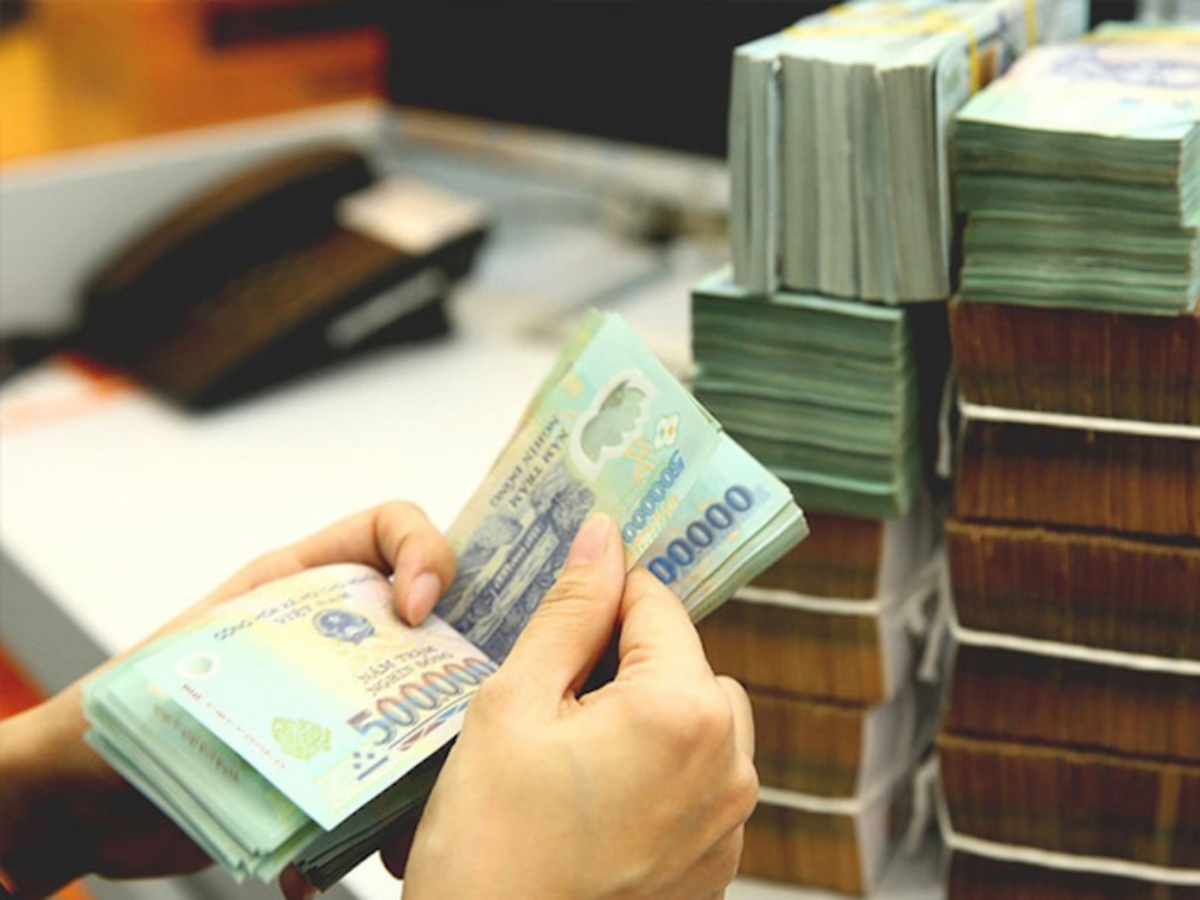
The borrower pays cash directly following the instructions of the bank staff. (Source: Collected)
3.4. Step 4: Perform the discharge procedure
After completing the payment, the borrower needs to proceed with the release procedure to remove the mortgage registration of the asset at the bank. This is an important step to confirm that the asset fully belongs to the legal ownership of the borrower, no longer bound by credit obligations.
The release documentation usually includes a request for release, a written consent for release from the bank, and the previous mortgage registration certificate. Depending on the case, the borrower may need to provide additional documents as required. Upon completion of this step, the asset will be legally "released", allowing the borrower to use it with peace of mind or conduct further transactions.
4. Should you repay the loan early?
4.1. When interest rates are high and the loan term is long
In cases where the loan is subject to high interest rates and has a long remaining term, early repayment can bring clear benefits. By repaying the debt early, borrowers can significantly reduce the amount of interest they have to pay in the future, especially for home loans that extend over many years.

Rising interest rates cause the amount of money borrowers have to pay monthly to increase. (Source: Compiled)
This is a situation where applying the method of paying off a bank loan early becomes reasonable, as the amount saved from interest is often significantly larger than the incurred costs. The earlier the repayment during this period, the clearer the financial efficiency.
4.2. When penalties are low or waived
Another important factor to consider is the early repayment penalty. If this fee is low or waived according to the bank's policy, early settlement becomes more attractive as there are almost no additional costs.
In this case, borrowers can take advantage of the opportunity to reduce their financial burden and optimize borrowing costs. Understanding how to settle a bank loan early will help determine the right time when financial benefits are maximized.
4.3. When personal cash flow needs balancing
Despite many benefits, early repayment is not always the optimal choice. If using all funds to repay debt affects the emergency fund, borrowers may face risks in emergency situations.
Therefore, before deciding, it is necessary to carefully consider the balance between debt reduction and maintaining financial security. A reasonable option is to only make early repayment when ensuring there is still enough emergency fund to maintain a stable life and long-term plans.
5. Experience in choosing suitable real estate to reduce loan pressure and optimize finances
Besides understanding how to repay a bank loan early, choosing the right real estate product from the outset will help buyers significantly reduce financial pressure throughout the loan period. Projects with good locations, high rental exploitation potential, or clear price appreciation potential will generate supplementary cash flow, thereby making monthly debt repayment “easier”.
When choosing the right product, the loan is not just a financial obligation but also becomes a leverage to increase asset value. This is also a smart approach that helps balance borrowing and optimize long-term investment efficiency.
In summary, how to pay off a bank loan early is not just simply paying off debt early but also a financial decision that needs careful calculation. By clearly understanding the costs, the appropriate timing, and the impact on cash flow, borrowers can optimize the benefits of reducing interest while ensuring financial security. More importantly, being proactive in the repayment plan will help reduce long-term pressure and create a solid foundation for future financial goals.