


Which direction should a house face? How to choose a good direction according to Feng Shui
Which direction to buy a house is a question many people are interested in when choosing a place to settle down or invest in real estate. The direction of a house not only affects feng shui factors but also directly impacts light, wind, and the living environment.

▲Table of Contents
1. The Meaning of House Direction in Feng Shui and Reality
1.1. The Role of House Direction in Traditional Feng Shui Concepts
In Vietnamese housing culture, the choice of house direction is often associated with the Bat Trach feng shui system, where each homeowner's destiny is determined based on their birth year and gender to find a direction suitable for the house's energy field. When considering which direction to buy a house , many people still refer to this factor to create harmony between living space and spiritual beliefs in family life.

House orientation is considered a factor for balancing energy and the living environment. (Source: Collected)
In Vietnamese culture, house orientation is linked to the Bat Trach system to find harmony between Nhan Khi (human energy) and Dia Khi (earth energy). According to modern feng shui concepts in 2026, house orientation accounts for about 30% of the overall feng shui value, with the remaining 70% depending on interior layout (Ly Khi) and surroundings (Loan Dau). Choosing a good orientation according to one's age helps the homeowner gain psychological confidence, creating a solid spiritual foundation for settling down and prospering.
1.2. Scientific perspective on light, ventilation, and temperature
Besides feng shui elements, house orientation is also directly related to environmental conditions such as natural light, wind direction, and temperature regulation within the living space. When considering which direction to buy a house, many architectural experts emphasize that a suitable house orientation can help optimize ventilation and reduce the need for cooling equipment.
In the context of changing climate conditions, south or southeast facing houses are absolutely preferred due to their ability to catch cool breezes (nom breeze) in summer and avoid the cold Northeast monsoon. From an economic perspective in 2026, houses facing this direction help reduce electricity costs by up to 20% for cooling and lighting systems. This is a key factor helping the house achieve "green living" and sustainability standards.
1.3. The difference in determining the orientation of land houses and apartment buildings
Among housing types, the method of determining the main orientation can vary depending on the building's structure and its exposure to the external environment. When considering which direction to buy a house, buyers need to clearly understand how to determine the orientation of land properties and apartments to avoid confusion.
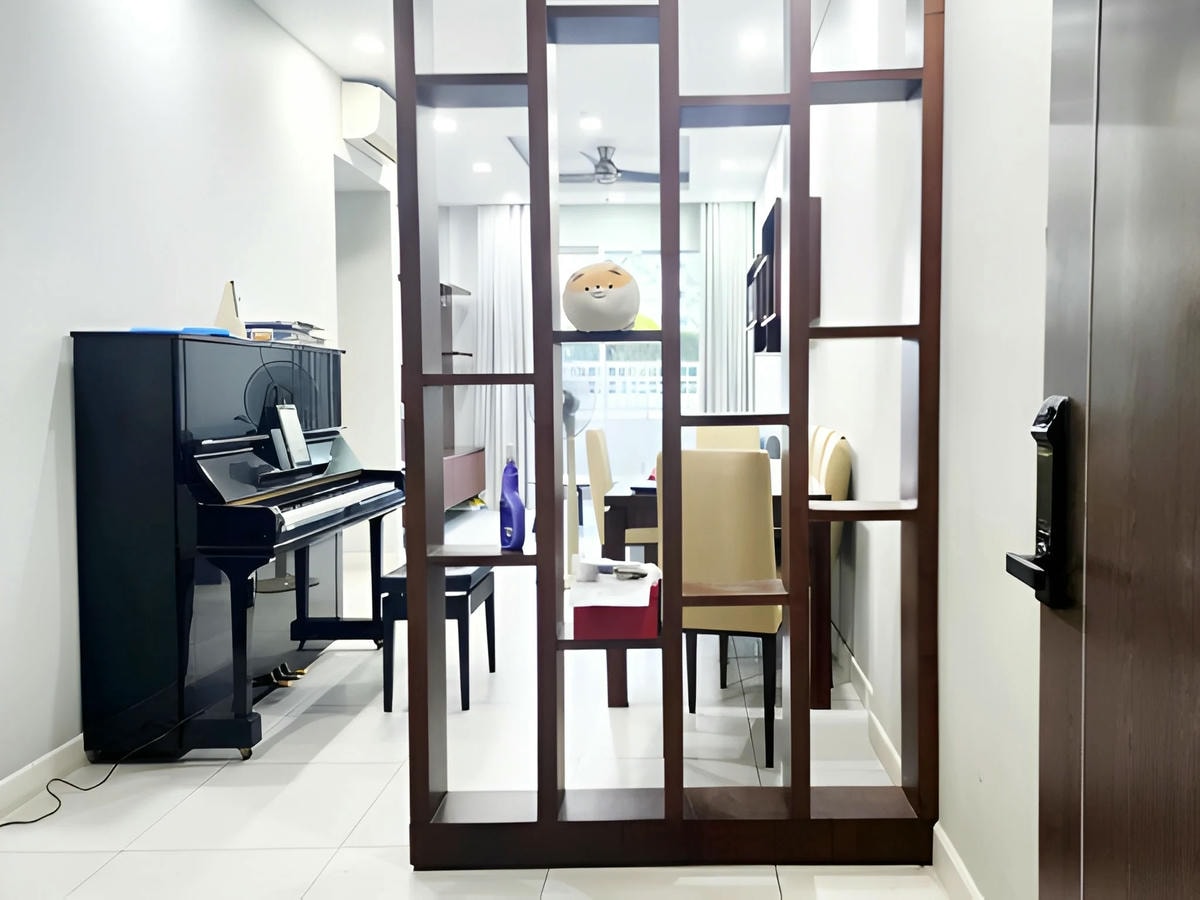
Determining the direction of change depending on the type of housing. (Source: Collected)
For townhouses or garden houses, the house's orientation is usually determined by the facade, where the main door is located and directly faces the street or garden. This area receives light and wind, and is also the main living space, so it is considered the representative orientation of the entire building.
2. Common house orientations and characteristics of each orientation
2.1. East and Southeast facing houses
Houses facing East and Southeast usually receive morning sunlight, while the afternoon is less affected by direct solar radiation. When considering which direction to buy a house, many people consider these directions to provide a relatively comfortable living space thanks to their ability to balance light and temperature throughout the day.
In tropical climate regions such as the Central (Mien Trung) or Southern (Mien Nam) provinces, East and Southeast directions help catch cool breezes from the sea and limit harsh afternoon sun. This contributes to creating a well-ventilated living environment and reduces the feeling of heat during the dry season or high-temperature months.
Additionally, morning light is usually softer than afternoon sun, helping indoor spaces be bright without causing glare or increasing heat too quickly. In many housing projects in Dien Ban district, Quang Nam province, or Nha Be district, Ho Chi Minh City, houses facing East or Southeast are often designed with large balconies and windows to take advantage of this benefit.
2.2. South-facing houses
The South direction is often mentioned in traditional Vietnamese architecture for its ability to balance temperature throughout the year. When considering which direction to buy a house in , many people pay attention to the South direction because it can avoid harsh afternoon sun while still receiving stable natural light.
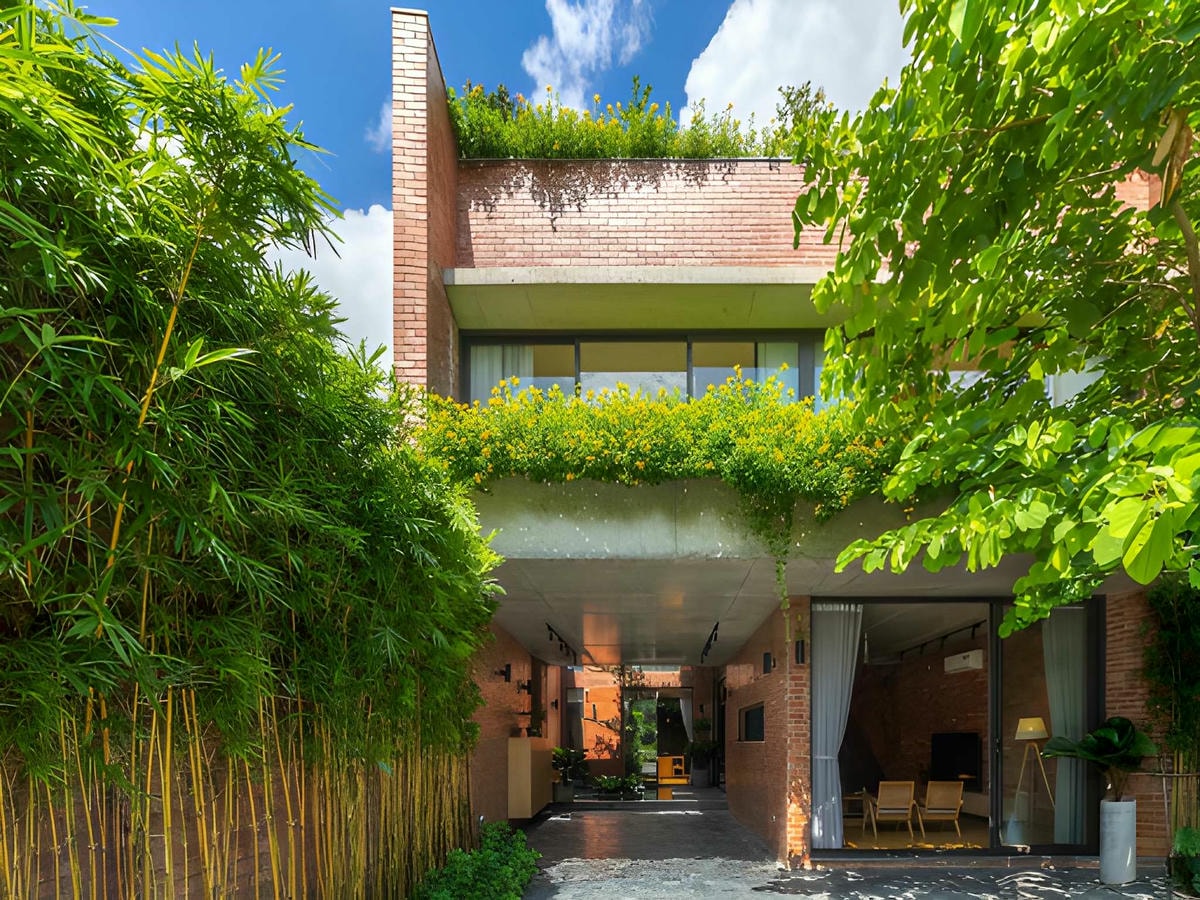
South brings airiness and climate stability. (Source: Collected)
In monsoon climate conditions, houses facing South can receive cool summer breezes from the sea or southern areas, while reducing the impact of cold winter winds blowing from the North. This helps living spaces maintain a relatively comfortable temperature with less seasonal fluctuation.
Thanks to the ability to receive wind and light appropriately, many traditional housing structures such as Nha Ruong (Hue houses), Nha Vuon (garden houses), or Dinh Lang (village communal houses) also often apply the principle of "sitting North, facing South". This model is considered the result of climate adaptation experience accumulated over many generations in folk architecture.
2.3. Houses facing West and Northwest
West or Northwest facing houses often have to deal with strong solar radiation in the afternoon, especially during the summer months when outdoor temperatures rise. When considering which direction to buy a house, many people are cautious about these directions due to their heat-absorbing potential, making the interior space prone to overheating.
Afternoon sunlight is usually intense and lasts during the family's active hours, so west-facing wall and glass surfaces can absorb more heat than other directions. This can increase the need for air conditioning or cooling devices in the house.
West-facing houses often face significant heat radiation in the afternoon. However, in 2026, with the popularity of new types of materials such as 3-layer Low-E glass, cool bricks, and nano heat-reflective paint, this disadvantage has been significantly overcome. Even, in Feng Shui, west-facing houses are very auspicious for those belonging to Tay tu menh, bringing wealth and decisiveness if proper heat-blocking measures are taken.
2.4. North-facing houses
North-facing houses usually have the characteristic of being less exposed to direct sunlight, therefore the temperature inside tends to be cooler in summer. When researching which direction to buy a house, some people consider the North direction suitable for areas with a hot climate year-round.
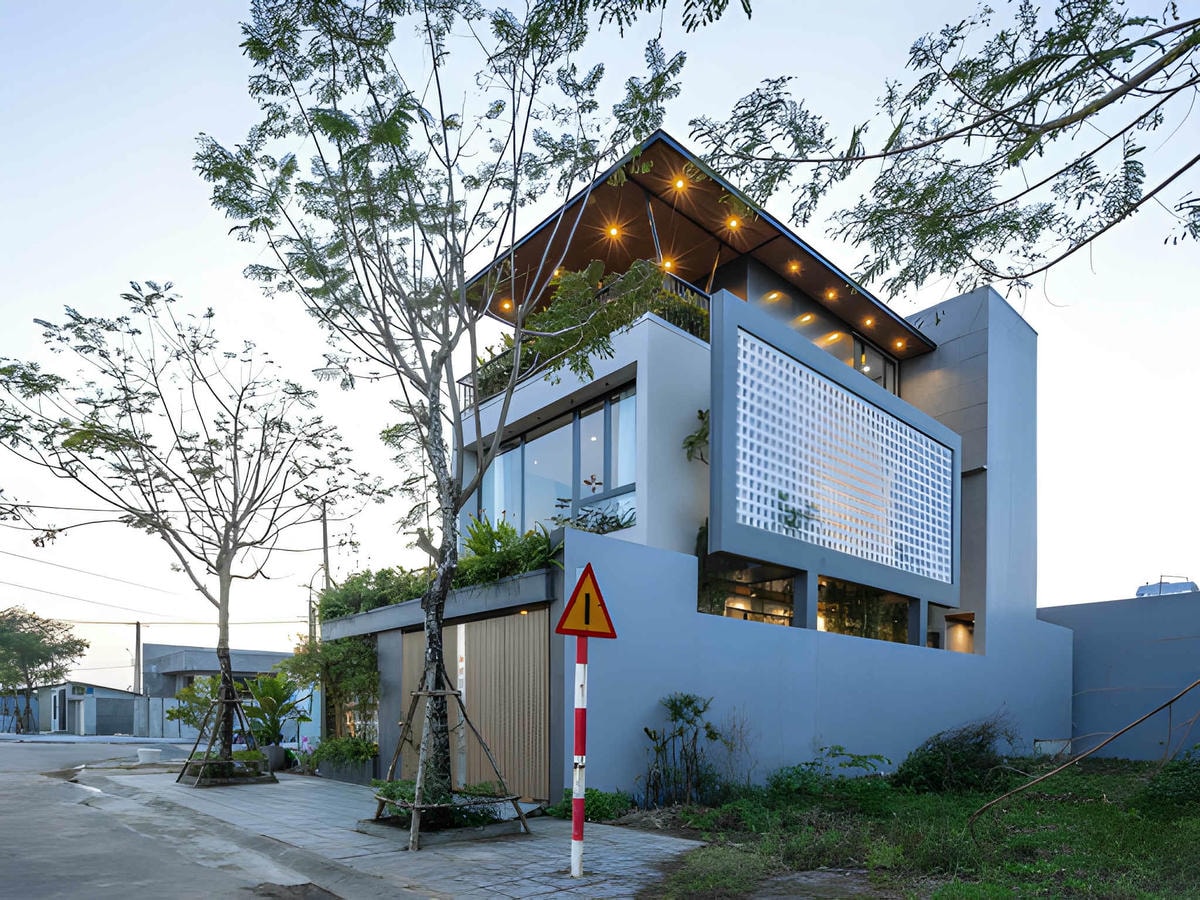
North facing is cool but natural light needs improvement. (Source: Collected)
However, in Northern Vietnam, this direction may face limitations in natural light during winter due to the lower angle of the sun's rays. The interior space of the house can sometimes become dimly lit and feel colder compared to directions that receive more sunlight.
To overcome this, modern house designs often increase window area, use skylights, or arrange for small courtyards to improve light penetration. The combination of light-reflecting materials and bright interior colors also helps the north-facing space become more comfortable for daily living.
3. How to choose a house direction suitable for age and needs
3.1. Choosing Direction Based on Destiny
In home feng shui, the principles of Dong Tu Menh and Tay Tu Menh are often used to determine suitable directions for each homeowner. When considering which direction to buy a house in, many people start by determining their destiny group based on their lunar birth year and gender.
According to this method, each person will belong to one of two destiny groups, corresponding to auspicious directions and directions to avoid. For example, the Dong Tu Menh group is usually compatible with directions such as East, Southeast, North, and South, while the Tay Tu Menh group is suitable for directions West, Northwest, Southwest, or Northeast.
3.2. Balance between Feng Shui and Practical Factors
In today's real estate market, house orientation is not the sole factor determining a house's value or quality. When considering which house direction to buy, many modern buyers also evaluate factors such as legal status, location, and surrounding amenities.
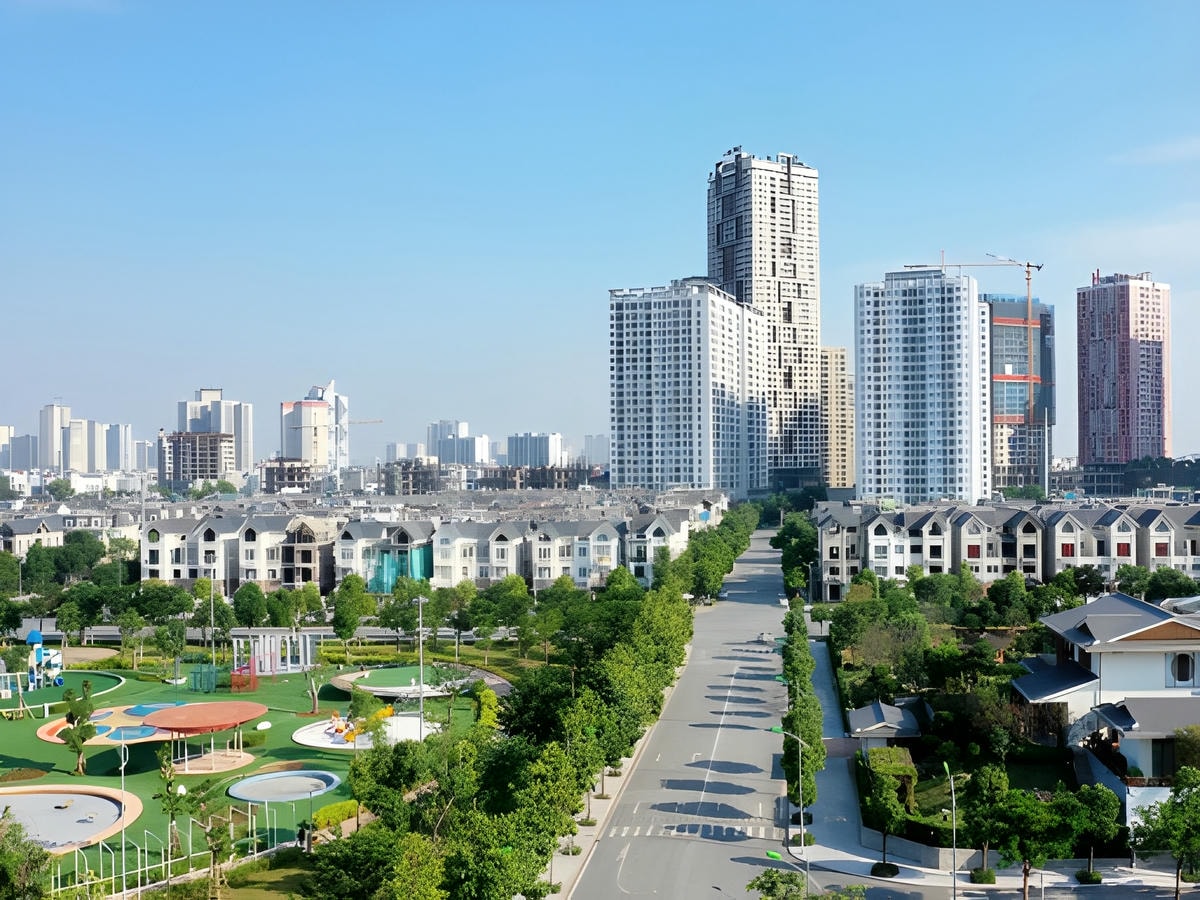
Home appraisal based on the overall instead of solely the orientation factor. (Source: Collected)
A house with a convenient location, good transportation infrastructure, and a stable living environment can offer high utility value even if its orientation does not completely align with the homeowner's destiny. This reflects the trend of choosing real estate based on overall value rather than focusing on a single feng shui element.
In reality, in today's megacities, buyers often prioritize planning and view. An apartment, even if not aligned with the owner's age/element, but with a view of a park or water body will bring very good positive energy (water element). Therefore, choosing a house direction in 2026 should be considered in the following order of priority: 1. Infrastructure planning; 2. Microclimate conditions; 3. Owner's destiny/elemental compatibility.
3.3. Prioritizing overall planning and living environment
Besides house orientation, the living environment and overall planning of the residential area also play an important role in creating the quality of living space. When researching which direction to buy a house, many experts believe that landscape and infrastructure factors can have a long-term impact on residents' living experience.
A well-planned urban area usually has reasonable construction density, a convenient internal transportation system, and ample green spaces. These factors contribute to improving air quality, reducing noise, and creating a balanced living environment for the resident community.
In many current housing projects, developers focus on landscape design, parks, and internal amenities to enhance the living experience. As a result, even if the apartment's orientation doesn't perfectly align with one's destiny, residents can still enjoy a harmonious and long-term stable living space.
4. Choosing a house orientation according to living and investment goals
4.1. Buying a house for long-term living
When the main goal is long-term settlement, buyers often care about the comfort and stability of their living space for many years. In the process of considering which direction to buy a house, factors such as natural light, wind direction, and the ventilation of the surrounding area are often carefully considered.
Houses facing cool breezes and avoiding harsh sun often provide a more pleasant living environment, especially in tropical climates. A well-ventilated space with sufficient natural light also contributes to limiting mold and improving the family's quality of life.
4.2. Buying a house for investment
In the case of buying real estate for investment or rental purposes, house orientation is often considered from the perspective of the market and liquidity. When evaluating which direction to buy a house, many investors are interested in the popularity of house orientation in buyer preferences.
Houses with airy and pleasant orientations are often of greater interest to customers, which can create an advantage when renting or transferring ownership. This is particularly evident in new urban areas where buyers have many choices regarding location and type of housing.
4.3. Flexible approach to choosing house orientation
In the context of an increasingly diverse real estate market, a flexible approach when choosing a house direction is recommended by many experts. When researching which direction to buy a house , buyers can combine feng shui, climate conditions, and the planning value of the area.
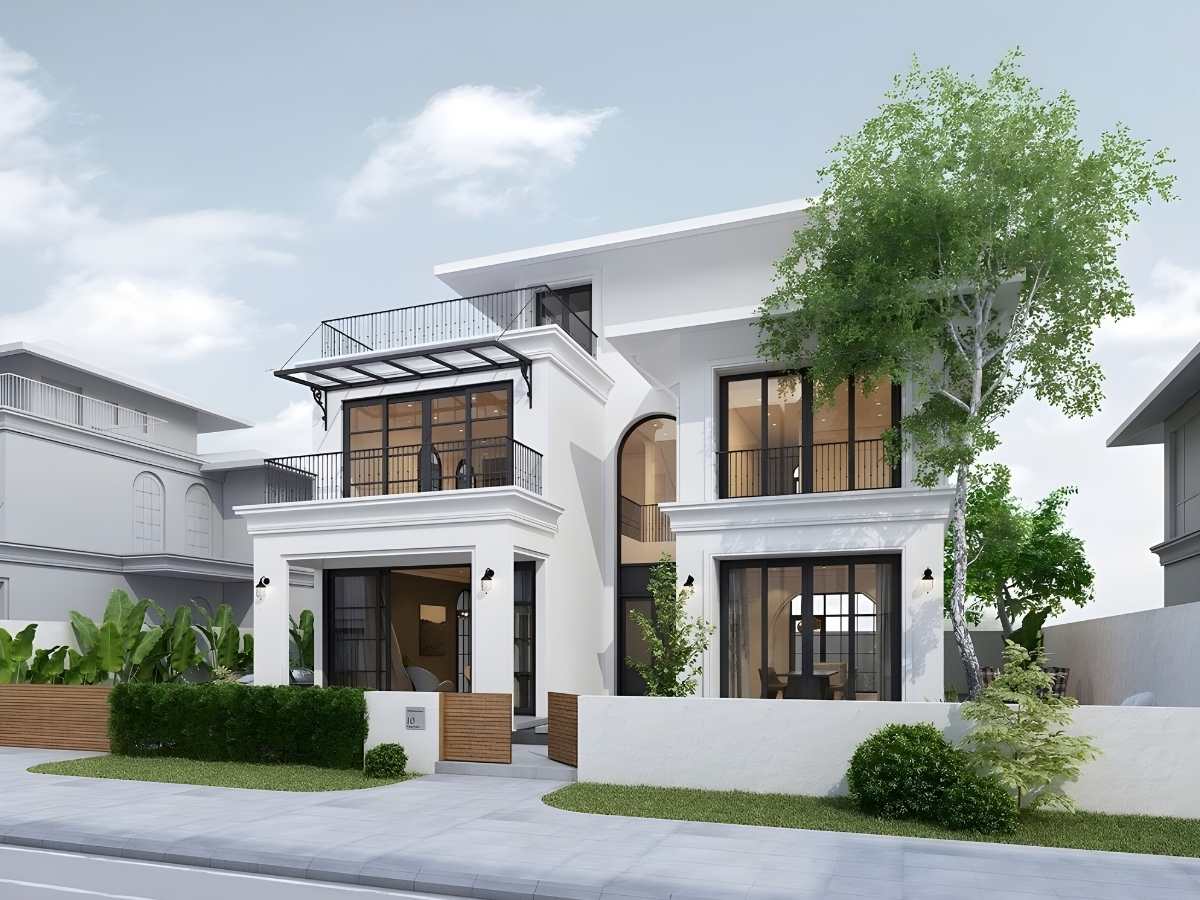
Flexibly combine feng shui with practical conditions when choosing. (Source: Collected)
A holistic review helps buyers more accurately assess the usability and long-term value of real estate. A house with a reasonable design, green space, and convenient infrastructure can provide a high quality of life even if the house's orientation is not entirely ideal.
Which direction to buy a house depends on the overall consideration of feng shui factors, climate conditions, regional characteristics, and the actual usage goals of each family. A suitable house direction not only helps to utilize natural light, welcome cool breezes, limit heat, but also contributes to creating a comfortable living space, saving energy, and improving the quality of daily life.