


Trends in Recycled Materials for Green Real Estate Construction
The trend of recycled materials in construction is clearly impacting the way real estate projects are developed today. Not only does it help conserve resources, this group of materials also opens up new directions for green buildings, enhancing brand image, increasing competitiveness, while meeting the ever-increasing expectations from customers and investors alike.

▲Table of Contents
1. The Trend Landscape of Recycled Materials in Construction
1.1. The Trend of Recycled Materials in Construction Emerges from the Pressure of Greening Projects
The real estate market is shifting towards reducing emissions and conserving resources, as many urban areas face shortages of construction materials like sand and stone, amounting to tens of millions of cubic meters annually. This pressure makes material reuse no longer a supplementary solution but a project design criterion from the outset.
In that context, the trend of recycled materials in construction is strongly driven by new legal frameworks. Specifically, the Law on Environmental Protection 2020 (No. 72/2020/QH14) and Decree 06/2022/ND-CP on greenhouse gas emission mitigation have set a roadmap requiring large-scale projects to conduct greenhouse gas inventories from 2026. This forces investors to shift from experimental choices to integrating environmentally friendly materials as a mandatory condition to comply with emission limits and ensure long-term green growth strategies.
1.2. Recycled materials are being perceived as a new value-creating factor for real estate
Recycled materials not only carry environmental significance but also contribute to enhancing the commercial value of the project. Projects using green materials can easily build a modern, environmentally friendly image, thereby improving customer reach in the mid-to-high-end segment.
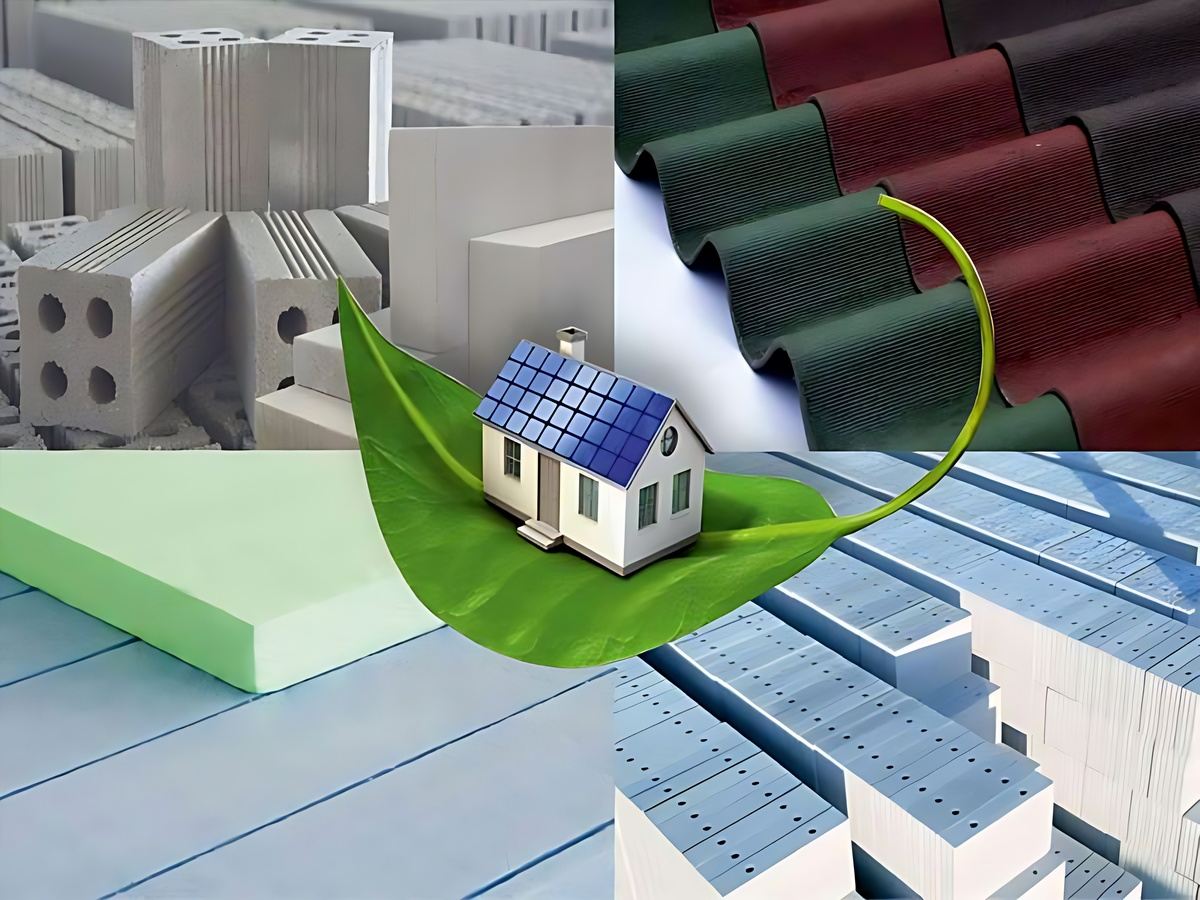
Recycled materials enhance commercial value and living experience for the project. (Source: Collected)
Besides communication factors, the trend of recycled materials in construction also improves living experience through airy spaces, good insulation, and reduced energy consumption. This helps the project increase its competitive advantage, especially in the context where buyers are increasingly concerned about the quality of the living environment and long-term operating costs.
2. Groups of recycled materials shaping modern construction
2.1. Recycled steel, recycled aluminum, recycled glass
Recycled steel, aluminum, and glass are materials with wide application potential in high-rise buildings, commercial centers, and complex areas. These materials can be reused multiple times while retaining their technical properties, helping to reduce the demand for raw resource extraction.
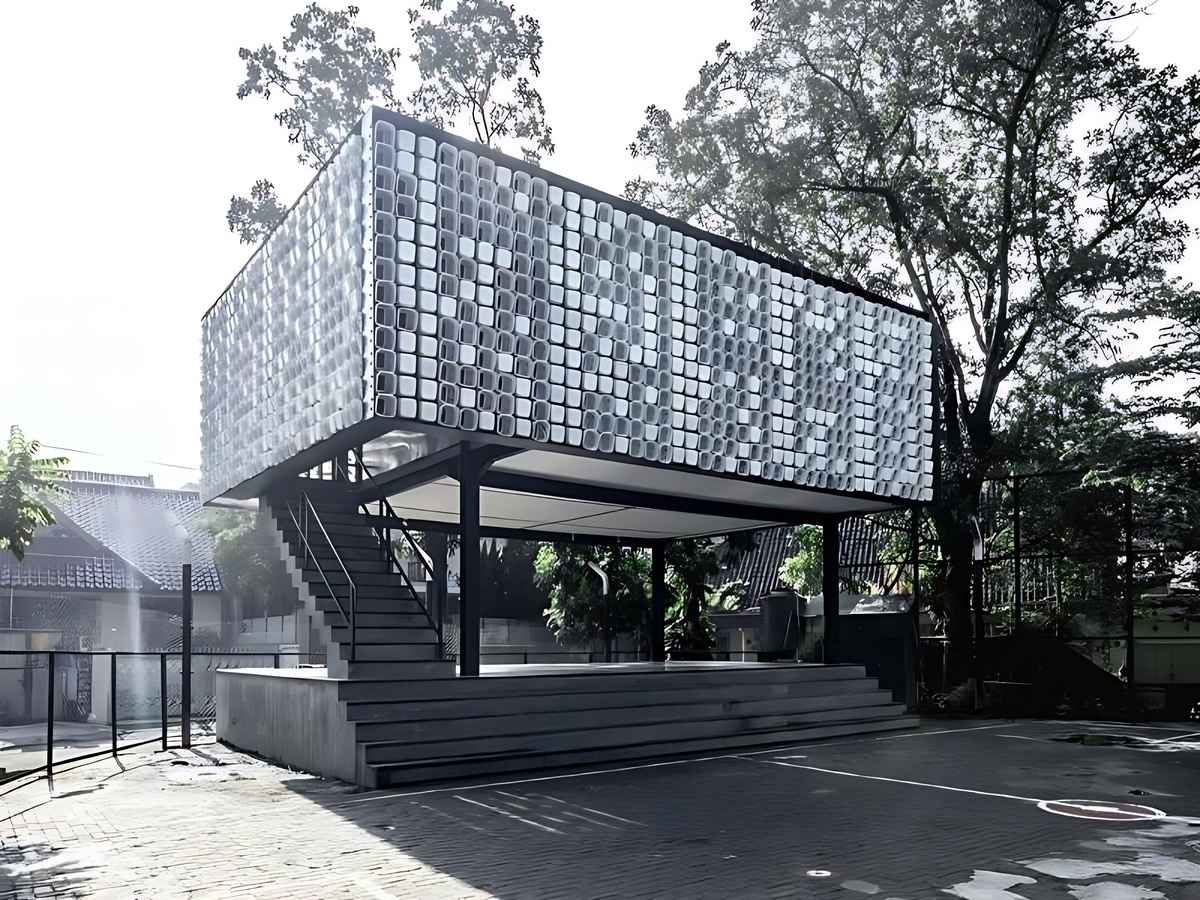
Recycled materials help protect resources and effectively reduce carbon emissions. (Source: Collected)
Besides durability, this group of materials also offers aesthetic and lifecycle benefits. Recycling metals and glass helps reduce production costs, while limiting carbon emissions in the process of creating new materials, in line with current sustainable construction trends.
2.2. Recycled concrete, recycled bricks, non-fired materials
Recycled concrete and recycled bricks play an important role in the structural part of construction, especially in large-scale projects. Recycled aggregate from construction waste can be reused in foundations, backfilling, or concrete components, contributing to significant resource savings.
Compared to traditional materials, non-fired materials help reduce energy consumption in production and limit greenhouse gas emissions. The application of these materials is being encouraged in Vietnam to reduce the pressure of resource exploitation and construction waste management.
2.3. Recycled wood, recycled plastic, circular interior materials
In interior and landscape spaces, recycled wood and recycled plastic are increasingly widely used. Products from recycled plastic, such as eco-bricks, can contain from 200g to 700g of plastic waste per unit, contributing to a significant reduction in environmental waste. These materials are suitable for utility areas, parks, common living areas, and outdoor furniture. Besides their applicability, they also bring aesthetic value and create highlights for projects, helping to enhance the experience for residents in modern urban areas.
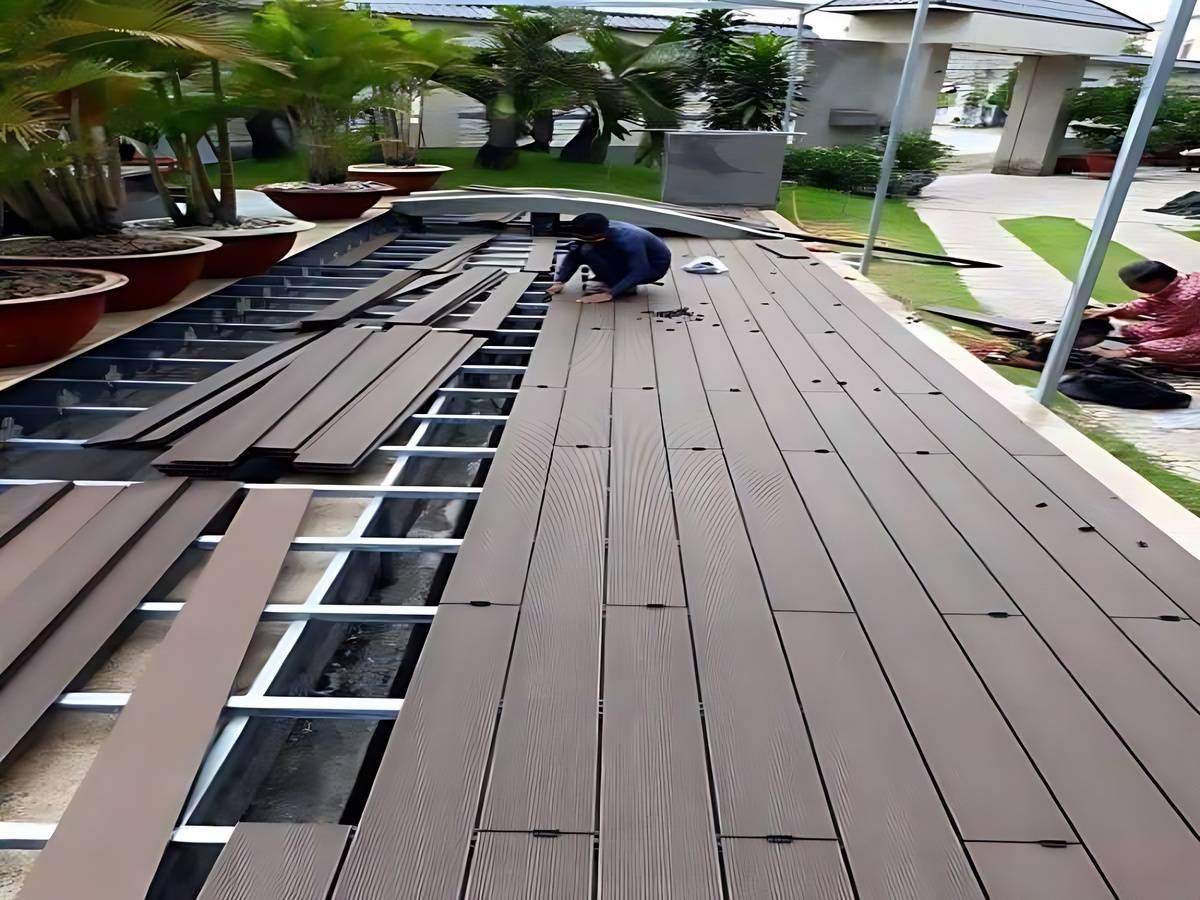
Recycled materials enhance aesthetics and contribute to sustainable environmental protection. (Source: Collected)
3. Practical benefits of applying recycled materials to real estate projects
3.1. Optimizing building lifecycle costs
The initial investment cost of recycled materials may be equivalent to or lower than traditional materials, but the clear benefits lie in operating costs. These materials often have high durability, reducing the frequency of repairs and replacements in the long term. Furthermore, the use of energy-saving materials helps reduce electricity and water costs during operation. This is an important factor for both investors and buyers, as lifecycle costs are increasingly considered in real estate investment decisions.
3.2. Elevating ESG standards increases attractiveness to investors
ESG criteria are no longer slogans but have become measures of financial capacity and reputation in the spirit of the Land Law 2024 (No. 31/2024/QH15), as projects with sustainable elements are prioritized in accessing resources and long-term valuation. The use of recycled materials helps reduce the embodied carbon in construction, enabling businesses to easily access green capital flows and preferential credit for projects that meet energy and resource efficiency standards.
Many reports indicate that circular design and low-emission materials are key solutions to reduce the environmental impact of the construction industry. This helps projects meet the requirements of long-term investors, especially as the market increasingly prioritizes sustainability.
3.3. Improving project image to modern customers
Recycled materials help the project build an environmentally friendly image, suitable for customers interested in health and sustainable living spaces. This creates a clear competitive advantage in a market increasingly focused on green factors. At the same time, the integration of recycled materials also contributes to enhancing brand recognition and increasing the project's perceived value in the long term.
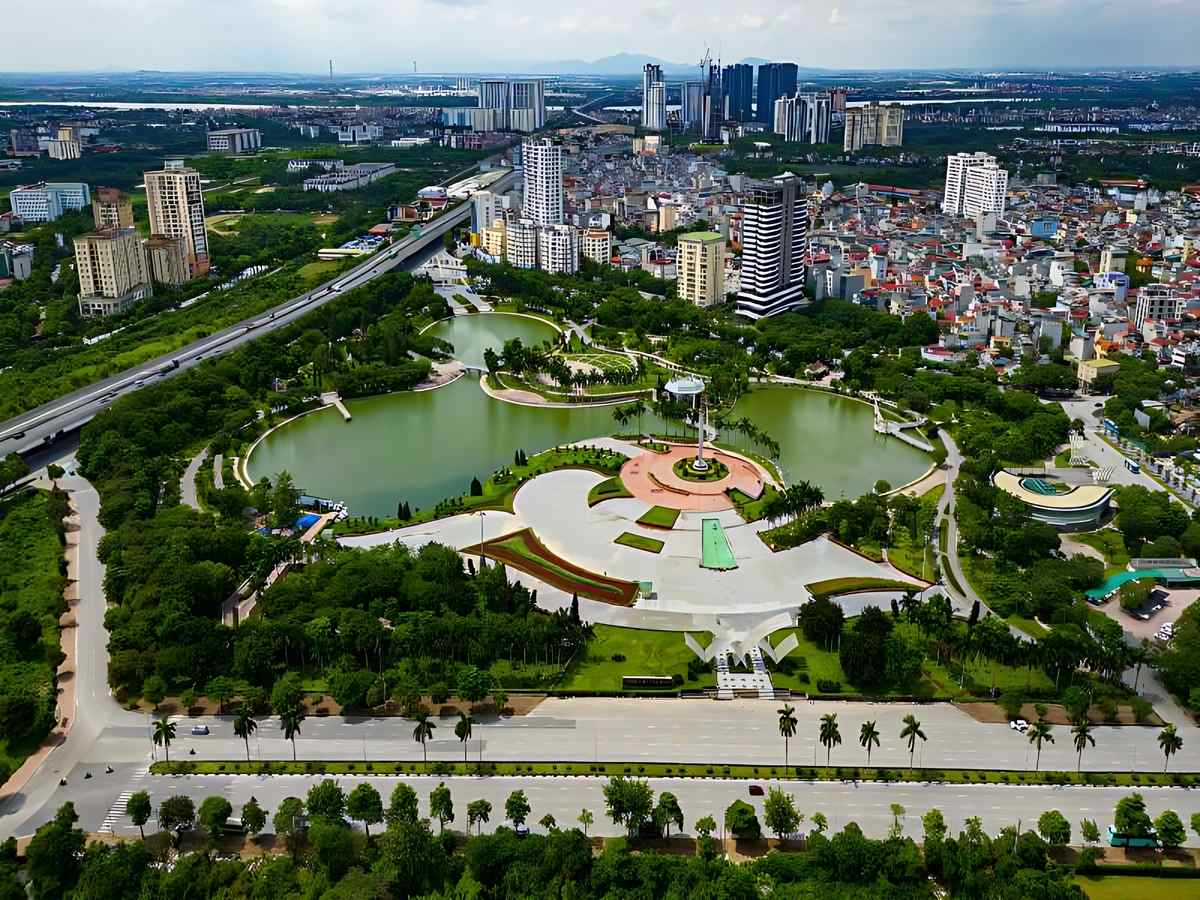
Recycled materials create a competitive advantage and enhance green brand value. (Source: Collected)
3.4. Reducing resource pressure promotes a circular development model
The application of recycled materials helps reduce the demand for natural resource exploitation, especially as the construction industry consumes over 50% of total raw materials. This contributes to limiting construction waste and promoting a circular economy model, in line with Vietnam's sustainable development orientation in the current period.
4. Trends in applying recycled materials in the new real estate era
4.1. Design trends prioritizing circular materials from the outset
The integration of recycled materials needs to be determined from the planning and technical design stages to ensure consistency for the entire project. When selected from the outset, the project can optimize resource utilization efficiency, reduce emissions, and limit adjustments during the construction process.
4.2. Barriers in perception of input cost standards
Businesses remain concerned about the quality and stability of recycled materials due to the lack of specific and synchronized evaluation standards. In addition, high input costs coupled with unstable supply make large-scale implementation face many practical limitations. These barriers directly affect the application and expansion capabilities in long-term projects.

Unclear standards and high costs hinder recycled materials. (Source: Collected)
4.3. Prospects for recycled materials in construction in Vietnam
The prospects for recycled materials in Vietnam are opening up as the regulations on circular economy in the Law on Environmental Protection 2020 are being vigorously implemented. Meanwhile, compliance with the new regulations of the Law on Housing 2023 (No. 27/2023/QH15) on construction quality and the lifespan of apartment buildings has prompted entities to seek sustainable materials with high recyclability. Although further refinement is still needed for specific technical standards for recycled materials, this is clearly the inevitable path for the market to develop stably, sustainably, and integrate with the global green economy trend.
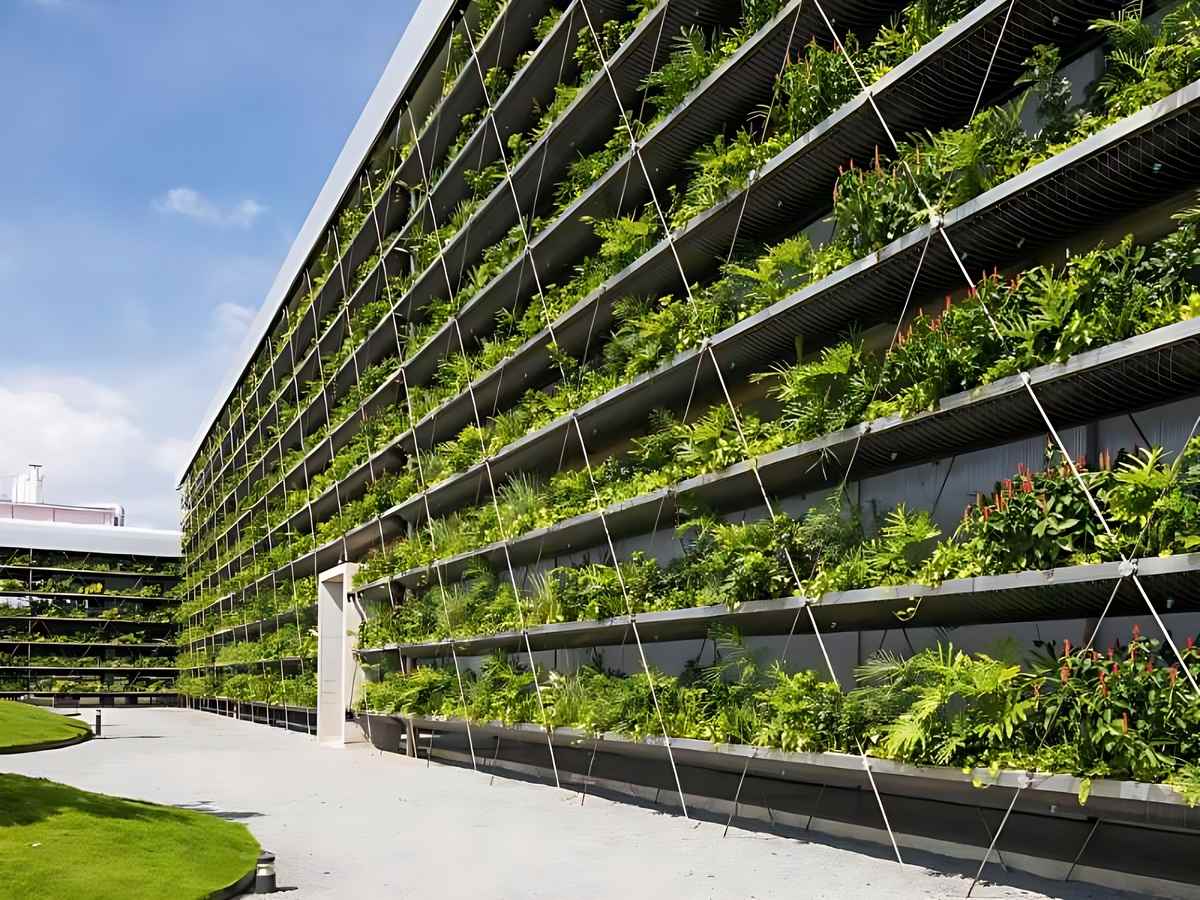
Recycled materials are an inevitable trend towards a sustainable green economy. (Source: Collected)
Trend of recycled materials in construction is no longer an experimental option but is gradually becoming a part of modern real estate development thinking. When a project needs to balance between cost, usability, brand image, and sustainability criteria, recycled materials are the direction with great potential to create truly green buildings that have long-term competitiveness in the market.